
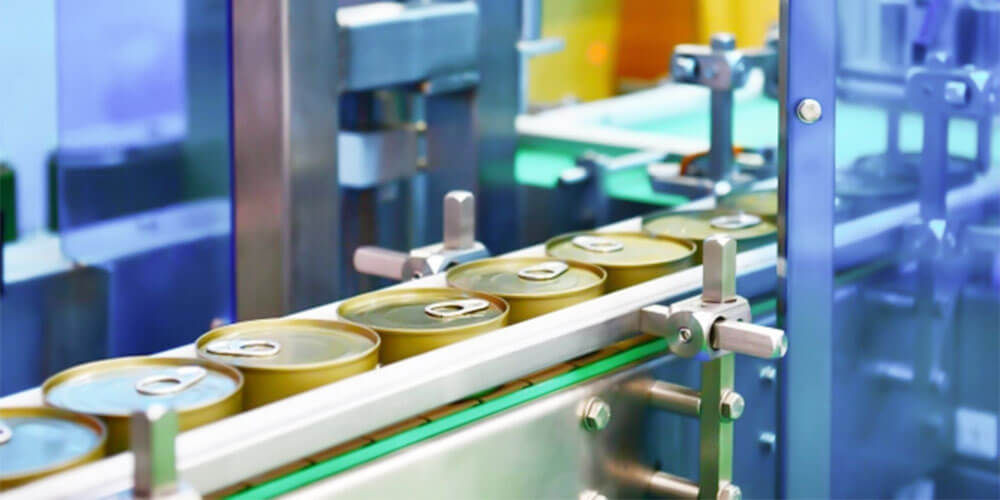
Efficiently overseeing the entire lifecycle of assets is a top priority for food manufacturers aiming to maintain productivity, ensure compliance, and control costs. As food plants become more automated and data-driven, understanding how to manage asset lifecycle in food plants is essential for operational success. This guide explores best practices, technology trends, and actionable steps for optimizing asset management in today’s food production environments.
Asset lifecycle management covers the full journey of equipment and infrastructure, from acquisition and installation to maintenance, upgrades, and eventual decommissioning. For food producers, this process is complicated by strict regulatory requirements, the need for uninterrupted production, and the constant pressure to maximize return on investment. Leveraging predictive maintenance, digital tracking, and integrated systems can help food plants achieve these goals.
For those interested in related strategies, understanding the benefits of predictive maintenance for refrigeration units can further enhance asset reliability and efficiency, especially in temperature-sensitive food production areas.
Understanding Asset Lifecycle in Food Manufacturing
Asset lifecycle management in food plants involves a series of interconnected stages:
- Planning and Procurement: Identifying needs, selecting equipment, and ensuring assets meet industry standards.
- Installation and Commissioning: Setting up assets, integrating with existing systems, and verifying operational readiness.
- Operation and Maintenance: Regular inspections, cleaning, calibration, and repairs to ensure optimal performance.
- Upgrades and Modifications: Implementing improvements to extend asset life or adapt to new regulations.
- Decommissioning and Disposal: Safely removing outdated or non-compliant assets and managing replacement cycles.
Each phase requires careful documentation, compliance checks, and collaboration between engineering, operations, and quality assurance teams.

Key Challenges in Asset Lifecycle Management for Food Plants
Modern food production facilities face unique hurdles when managing assets:
- Stringent Regulatory Compliance: Food safety regulations demand meticulous record-keeping and traceability for all equipment.
- Downtime Risks: Unplanned failures can halt production, leading to product loss and missed deadlines.
- Asset Diversity: Plants often operate a mix of legacy and modern equipment, complicating maintenance and integration.
- Resource Constraints: Limited budgets and skilled labor shortages can impact the ability to maintain assets proactively.
Addressing these challenges requires a systematic approach and the adoption of digital tools that support real-time monitoring and predictive analytics.
Best Practices for Managing Asset Lifecycle in Food Plants
Implementing robust asset lifecycle strategies can significantly improve reliability, safety, and cost-effectiveness. Here are key practices to consider:
1. Centralize Asset Data and Documentation
Maintaining a single source of truth for all asset-related information is fundamental. Use a Computerized Maintenance Management System (CMMS) or Enterprise Asset Management (EAM) platform to store:
- Asset specifications and manuals
- Maintenance schedules and histories
- Compliance certificates and inspection records
- Warranty and service agreements
Centralized data improves transparency, supports audits, and streamlines decision-making across departments.
2. Adopt Predictive and Preventive Maintenance
Moving from reactive to predictive maintenance reduces unplanned downtime and extends asset life. By leveraging sensors, IoT devices, and analytics, food plants can anticipate failures before they occur. For more insights, explore the role of predictive maintenance in the food industry and how it transforms asset management.
Preventive maintenance, such as regular lubrication, cleaning, and calibration, remains essential for compliance and reliability. Combining both approaches ensures a balanced, cost-effective maintenance strategy.
3. Integrate Asset Management with Production and Quality Systems
Connecting asset management platforms with production scheduling, quality assurance, and inventory systems enables holistic oversight. This integration helps:
- Align maintenance windows with production cycles
- Automate compliance reporting
- Reduce spare parts inventory by predicting needs
- Minimize the risk of product contamination from equipment issues
Such integration is especially important for plants using advanced robotics and packaging lines. Learn more about the role of robotics in predictive packaging lines and how it impacts asset lifecycle management.
Leveraging Technology for Asset Lifecycle Optimization
Digital transformation is reshaping how food plants manage their assets. Here are some of the most impactful technologies:

- RFID and Barcode Tracking: Enables real-time location and status monitoring for equipment and tools.
- IoT Sensors: Provide continuous data on temperature, vibration, and other critical parameters.
- Cloud-Based Asset Management: Facilitates remote access, collaboration, and analytics.
- Mobile Maintenance Apps: Allow technicians to access asset data and log activities on the shop floor.
These solutions not only improve visibility but also support compliance and sustainability initiatives by reducing waste and energy consumption.
Ensuring Compliance and Food Safety Through Asset Management
Regulatory agencies require food producers to demonstrate that assets are properly maintained and do not pose contamination risks. Effective asset lifecycle management supports:
- Automated tracking of maintenance and cleaning activities
- Timely calibration of measurement devices
- Rapid response to equipment-related hazards
- Comprehensive audit trails for inspections and repairs
Advanced predictive models can also help minimize microbial growth risks. For more on this, see how predictive models help minimize microbial growth in food plants.
Continuous Improvement and Asset Lifecycle Review
Asset management is not a one-time project but an ongoing process. Regularly reviewing asset performance, maintenance effectiveness, and lifecycle costs allows food plants to:
- Identify underperforming or obsolete assets
- Optimize maintenance schedules based on real data
- Plan for upgrades or replacements proactively
- Benchmark performance against industry standards
Feedback from operators, maintenance teams, and quality control is invaluable for refining asset strategies and ensuring long-term plant success.
FAQ
What is asset lifecycle management in food production?
Asset lifecycle management in food production refers to the coordinated process of planning, acquiring, operating, maintaining, and retiring equipment and infrastructure. This approach ensures assets remain reliable, compliant, and cost-effective throughout their usable life.
How does predictive maintenance benefit food plants?
Predictive maintenance uses data from sensors and analytics to forecast equipment failures before they happen. This reduces unplanned downtime, lowers maintenance costs, and helps maintain product quality and safety standards.
What technologies are most effective for managing assets in food plants?
Technologies such as RFID tracking, IoT sensors, cloud-based asset management systems, and mobile maintenance applications are highly effective. They provide real-time visibility, automate compliance, and enable more informed decision-making.
Conclusion
Mastering asset lifecycle management is vital for food manufacturers seeking to boost efficiency, maintain compliance, and stay competitive. By centralizing data, adopting predictive maintenance, integrating systems, and leveraging modern technologies, food plants can maximize asset value and minimize risks. As industry standards evolve, continuous improvement and digital transformation will remain at the heart of successful asset management strategies.