
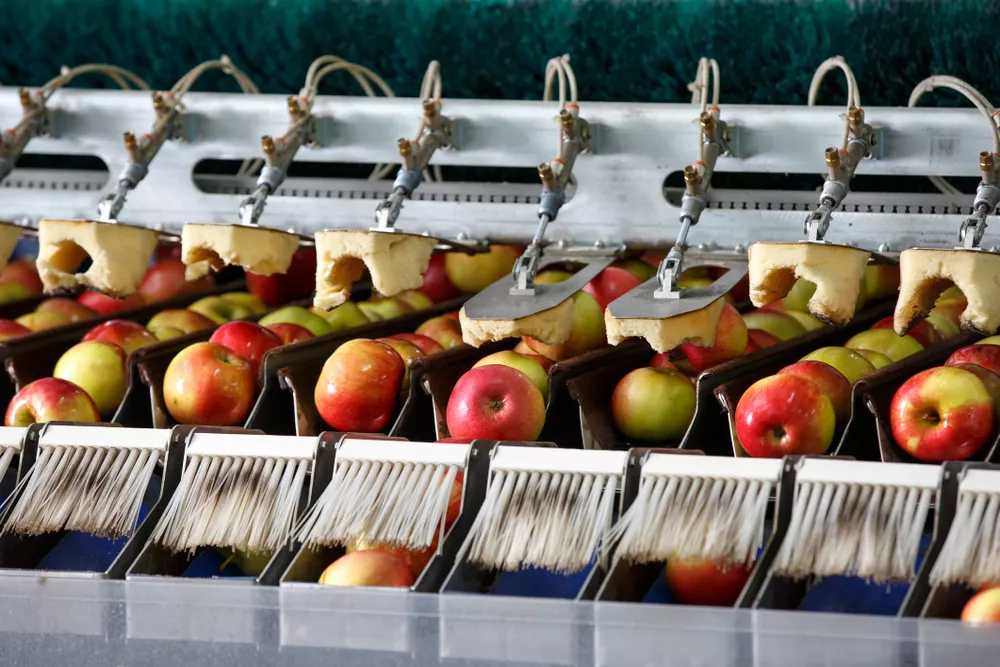
Food safety, quality, and efficiency are top priorities for modern food production. As the industry evolves, advanced technologies like spectral imaging are transforming how producers analyze and control food products. This technology offers a non-destructive, rapid, and highly detailed way to assess food composition, detect contaminants, and ensure consistent quality. Understanding the benefits of spectral imaging for food analysis can help businesses stay ahead in a competitive market, reduce waste, and meet regulatory requirements.
Spectral imaging combines traditional imaging with spectroscopy, capturing both spatial and chemical information from food products. This approach provides a deeper understanding of food characteristics than conventional methods, supporting better decision-making throughout the production process. Before diving into the main advantages, it’s worth noting how spectral imaging fits into broader quality control strategies, such as how to use multivariate analysis for food quality, which further enhances the effectiveness of food analysis systems.
Understanding Spectral Imaging in Food Production
Spectral imaging is a technique that collects information across different wavelengths of light, often beyond what the human eye can see. In food analysis, this means capturing data in the visible, near-infrared, and sometimes ultraviolet ranges. The resulting images contain both visual and chemical signatures, allowing for a comprehensive assessment of food products.
Unlike traditional imaging, which only provides color and shape, spectral imaging reveals details about moisture, fat, protein, and even the presence of foreign materials. This makes it an invaluable tool for quality assurance, process optimization, and safety monitoring in food manufacturing environments.
Enhanced Quality Control and Consistency
One of the most significant advantages of using spectral imaging for food analysis is its ability to deliver consistent and objective quality control. By analyzing the chemical composition of products in real time, manufacturers can detect deviations from desired standards quickly and accurately.
- Non-destructive testing: Products remain intact, reducing waste and allowing for 100% inspection rates.
- Objective measurements: Automated analysis removes subjectivity, leading to more reliable results than manual inspection.
- Early detection: Issues such as spoilage, contamination, or improper mixing are identified before products reach consumers.
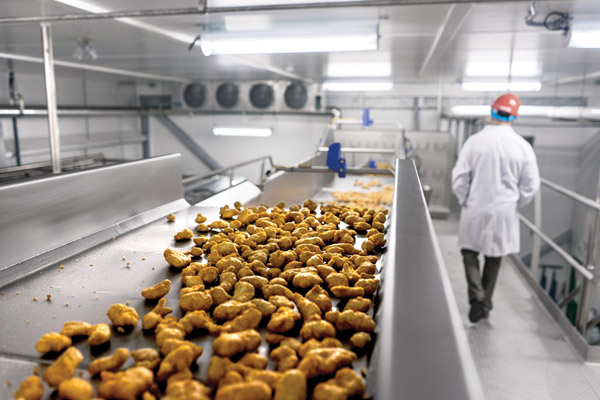
For example, in meat processing, spectral imaging can assess fat content and distribution, ensuring products meet labeling requirements and customer expectations. In fruit and vegetable sorting, it can distinguish ripeness or detect bruises not visible to the naked eye.
Improved Food Safety and Contaminant Detection
Food safety is a critical concern for producers and consumers alike. Spectral imaging excels at identifying contaminants, foreign objects, and adulterants that might otherwise go unnoticed. By analyzing the unique spectral signatures of different materials, the system can flag items such as plastic, glass, or even allergens mixed into a product batch.
- Rapid screening: High-speed imaging enables real-time detection of contaminants on production lines.
- Comprehensive coverage: Every product is analyzed, minimizing the risk of recalls due to undetected hazards.
- Regulatory compliance: Enhanced detection capabilities help meet strict food safety standards and regulations.
Integrating spectral imaging with other predictive and preventive maintenance strategies, such as those outlined in predictive maintenance for industrial deep fryers, can further reduce downtime and enhance overall safety protocols.
Optimizing Efficiency and Reducing Waste
Another key benefit of spectral imaging in food analysis is its potential to streamline operations and minimize waste. By providing immediate feedback on product quality and composition, manufacturers can adjust processes on the fly, improving yield and reducing the number of rejected batches.

- Real-time process control: Adjustments can be made instantly, reducing over-processing or under-processing.
- Resource savings: Less raw material is wasted, and energy use can be optimized based on accurate data.
- Improved sustainability: Lower waste and better resource management contribute to more sustainable food production.
These improvements not only benefit the bottom line but also support environmental goals and corporate responsibility initiatives.
Supporting Data-Driven Decision Making
The detailed information provided by spectral imaging systems empowers food producers to make smarter, data-driven decisions. By integrating spectral data with other digital tools, companies can track trends, identify recurring issues, and implement continuous improvement strategies.
For instance, combining spectral imaging with advanced analytics or ways to reduce cycle times with predictive scheduling can further enhance production efficiency. The ability to monitor and analyze large volumes of data enables more precise control over every stage of the food manufacturing process.
- Traceability: Detailed records support traceability and transparency, which are increasingly important to consumers and regulators.
- Predictive insights: Early detection of trends can prevent problems before they escalate, reducing costly recalls or rework.
- Continuous improvement: Ongoing analysis helps identify opportunities for process optimization and innovation.
Integration with Modern Food Production Systems
Spectral imaging technology is highly adaptable and can be integrated into existing production lines with minimal disruption. Its compatibility with automation and digital manufacturing systems makes it a valuable component of Industry 4.0 initiatives in the food sector.
When combined with robust data security practices, such as those described in how to secure data on connected food lines, spectral imaging ensures that sensitive production information remains protected while still delivering actionable insights.
Additionally, spectral imaging can work alongside programmable logic controllers (PLCs) and other automation tools, as explored in understanding the role of plcs in predictive systems, to create a seamless, intelligent production environment.
Industry Applications and Future Trends
The adoption of spectral imaging is growing across various segments of the food industry, from dairy and meat to bakery and produce. As the technology matures, new applications are emerging, including allergen detection, authenticity verification, and even personalized nutrition analysis.
Manufacturers interested in leveraging predictive maintenance and advanced analytics can benefit from resources like this infographic on starting a predictive maintenance program in food production, which complements the insights gained from spectral imaging.
Looking ahead, continued advancements in sensor technology, machine learning, and data integration will further enhance the capabilities and accessibility of spectral imaging for food analysis.
Frequently Asked Questions
How does spectral imaging differ from traditional food analysis methods?
Spectral imaging captures both spatial and chemical information from food products, providing a more comprehensive assessment than traditional visual inspection or single-parameter testing. It enables non-destructive, rapid, and objective analysis, improving accuracy and efficiency.
What types of contaminants can spectral imaging detect in food products?
This technology can identify a wide range of contaminants, including plastics, glass, metal fragments, and even certain allergens or chemical adulterants. Its ability to distinguish materials based on their spectral signatures makes it highly effective for food safety monitoring.
Is spectral imaging suitable for all types of food products?
Spectral imaging is versatile and can be applied to many food categories, including meat, dairy, fruits, vegetables, grains, and processed foods. The specific setup and wavelength range may vary depending on the product and the analysis goals.
Can spectral imaging help reduce food waste?
Yes, by providing real-time feedback on product quality and composition, spectral imaging allows manufacturers to optimize processes, reduce rejected batches, and minimize resource waste, contributing to more sustainable production.
Conclusion
The benefits of spectral imaging for food analysis are clear: improved quality control, enhanced safety, greater efficiency, and robust data-driven decision making. As food manufacturers face increasing demands for transparency, safety, and sustainability, adopting advanced technologies like spectral imaging is becoming essential. By integrating this approach with predictive maintenance, secure data practices, and continuous process optimization, producers can achieve higher standards and remain competitive in a rapidly changing industry.