
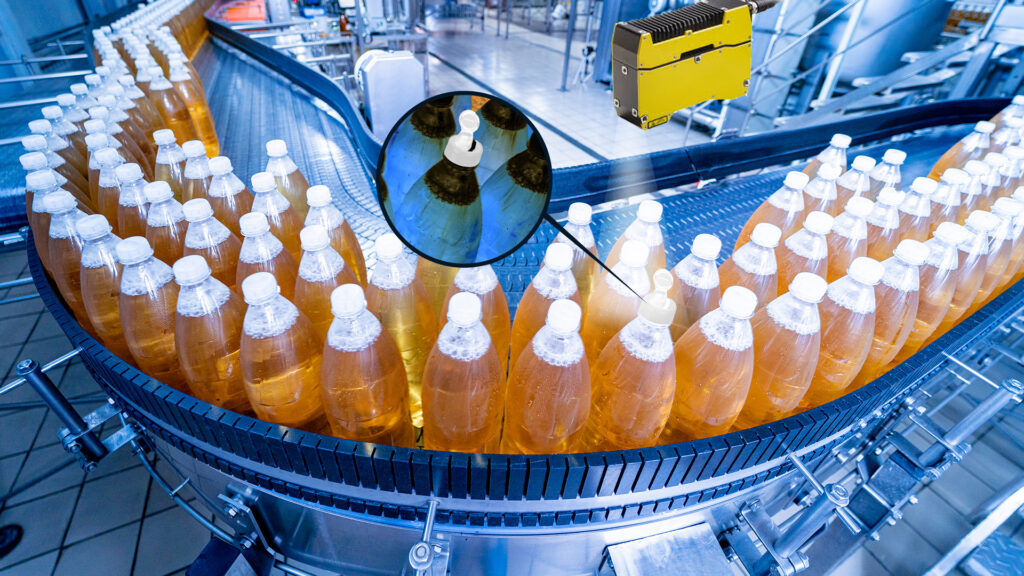
Aquaculture processing is experiencing a transformation as digital technologies become more integrated into food production and quality control. Among the most impactful advancements is predictive analytics, which leverages data, statistical algorithms, and machine learning to anticipate future events and optimize operations. For seafood processors, the adoption of predictive tools is not just about staying competitive—it’s about ensuring product quality, maximizing yield, and maintaining regulatory compliance in an increasingly complex market.
Understanding the benefits of predictive analytics for aquaculture processing can help organizations make informed decisions about technology investments. By harnessing the power of data, seafood processors can reduce waste, improve efficiency, and respond proactively to changing conditions. This article explores the practical advantages of predictive analytics in aquaculture, highlighting how it enhances operational performance and supports sustainable growth.
For those interested in related applications of data-driven technologies in food production, you may also want to explore benefits of spectral imaging for food analysis, which covers advanced methods for quality assessment and process optimization.
How Predictive Analytics Transforms Aquaculture Operations
Modern aquaculture facilities generate vast amounts of data from sensors, production lines, and environmental monitoring systems. Predictive analytics platforms analyze this data to identify trends, forecast outcomes, and recommend actions. This approach enables processors to:
- Anticipate equipment failures before they disrupt production
- Optimize feed and resource allocation for maximum yield
- Detect quality deviations early, reducing the risk of recalls
- Improve traceability and compliance with food safety regulations
By shifting from reactive to proactive management, aquaculture processors can minimize downtime, reduce costs, and deliver consistently high-quality products.
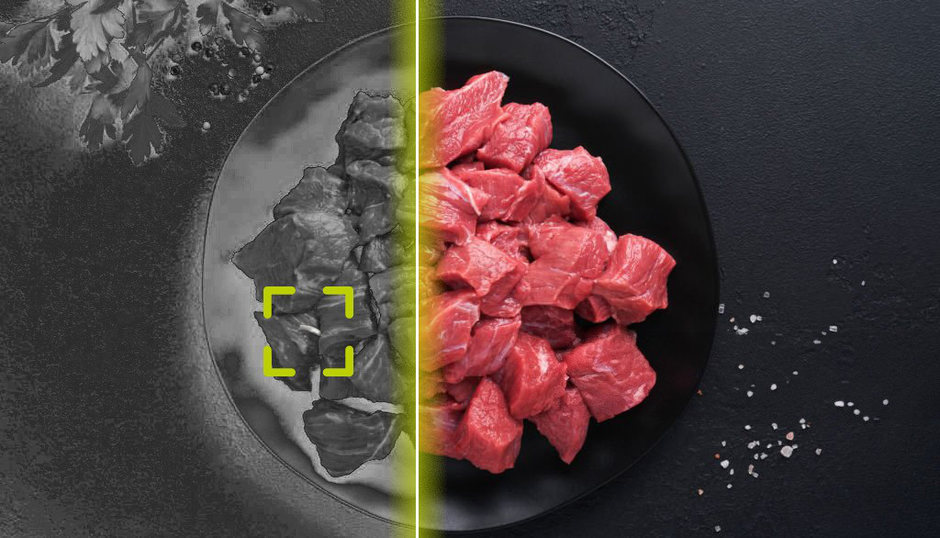
Key Advantages of Data-Driven Processing in Seafood Plants
The integration of predictive analytics into seafood processing delivers several tangible benefits:
Enhanced Product Quality and Consistency
By continuously monitoring variables such as temperature, humidity, and processing times, predictive models can alert operators to deviations that may affect product quality. Early detection allows for immediate corrective actions, ensuring that seafood products meet strict standards for freshness and safety.
Reduced Downtime and Maintenance Costs
Unplanned equipment failures can halt production and lead to significant financial losses. Predictive maintenance uses data from machine logs and sensors to identify patterns that precede breakdowns. This enables processors to schedule maintenance during planned downtime, minimizing disruptions and extending the lifespan of critical equipment. For a broader perspective on predictive maintenance in food manufacturing, see this in-depth overview of predictive maintenance in food and beverage manufacturing.
Optimized Resource Utilization
Predictive analytics can forecast feed requirements, water usage, and energy consumption based on historical and real-time data. This helps processors allocate resources efficiently, reduce waste, and lower operational costs. The result is a more sustainable and profitable operation.
Improving Food Safety and Compliance with Predictive Tools
Food safety is paramount in aquaculture. Predictive analytics supports compliance by tracking critical control points and identifying risks before they escalate. For example, models can predict when microbial contamination is likely based on environmental data, allowing for preventive measures.
Traceability is also enhanced, as predictive systems can link data from farm to fork, supporting transparency and rapid response in the event of a recall. This not only protects consumers but also safeguards the reputation of seafood brands.
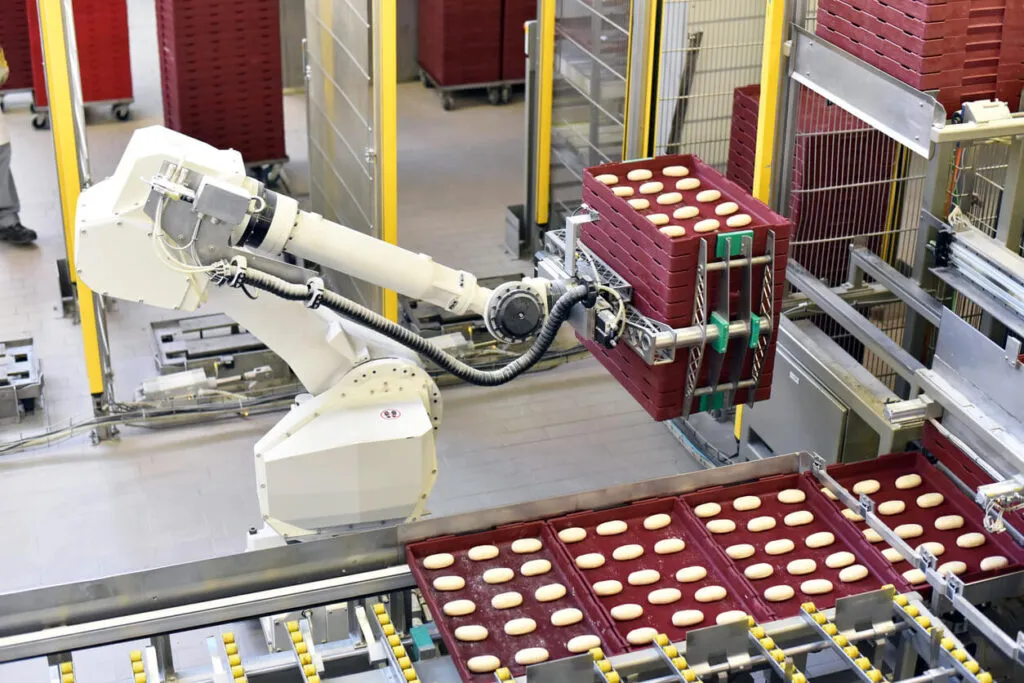
Applications of Predictive Analytics in Aquaculture Processing
There are several practical ways in which predictive analytics is being used in seafood processing plants:
- Yield prediction: Estimating the output of processing lines based on input quality and operational parameters.
- Quality grading: Using machine vision and sensor data to predict product grades and automate sorting.
- Supply chain optimization: Forecasting demand and adjusting production schedules to reduce inventory costs and spoilage.
- Environmental monitoring: Predicting changes in water quality or temperature that could impact product safety or yield.
These applications not only improve operational efficiency but also support long-term sustainability by reducing resource consumption and environmental impact.
Challenges and Considerations for Implementation
While the advantages are clear, implementing predictive analytics in aquaculture processing does come with challenges. These include:
- Data quality and integration: Ensuring that data from various sources is accurate, consistent, and accessible for analysis.
- Change management: Training staff and adapting workflows to leverage new technologies effectively.
- Scalability: Selecting solutions that can grow with the business and adapt to evolving needs.
- Cost: Balancing the investment in technology with expected returns and operational improvements.
Successful adoption often requires a phased approach, starting with pilot projects and scaling up as value is demonstrated.
Future Outlook: The Evolving Role of Predictive Analytics in Seafood Processing
As technology advances, predictive analytics will become even more integral to aquaculture processing. The integration of artificial intelligence, IoT devices, and cloud computing will enable real-time insights and more sophisticated models. This evolution will empower processors to make faster, more informed decisions, further improving quality, efficiency, and sustainability.
For those interested in how predictive insights are being applied in other food sectors, you might explore how to use machine logs for predictive insights, which highlights actionable strategies for leveraging operational data.
Frequently Asked Questions
What types of data are most important for predictive analytics in aquaculture processing?
Key data sources include sensor readings (temperature, humidity, water quality), machine logs, production line outputs, and environmental monitoring. The accuracy and timeliness of this data are crucial for effective predictive modeling.
How does predictive analytics help reduce waste in seafood processing?
By forecasting demand, monitoring quality, and optimizing resource allocation, predictive tools help processors minimize overproduction, spoilage, and unnecessary use of feed or energy. This leads to less waste and improved profitability.
Is predictive analytics suitable for small and medium-sized aquaculture businesses?
Yes, many predictive analytics solutions are scalable and can be tailored to the needs of smaller operations. Starting with targeted pilot projects allows businesses to realize benefits without large upfront investments.
In summary, leveraging predictive analytics in aquaculture processing offers a pathway to greater efficiency, improved product quality, and enhanced sustainability. As the industry continues to embrace data-driven practices, those who invest in predictive technologies will be well-positioned to meet the challenges of a dynamic global market.