
Modern agriculture is rapidly evolving, and one of the most significant advancements is the use of predictive tools for determining optimal harvest windows. These solutions help growers make informed decisions about when to harvest crops, maximizing yield, quality, and profitability. By leveraging data analytics, artificial intelligence, and sensor technology, these tools are transforming how farmers approach harvest timing.
Understanding the best moment to harvest is crucial. Picking too early or too late can lead to reduced crop quality, lower market prices, and increased waste. Predictive systems offer a science-backed approach, using real-time and historical data to guide harvest schedules. This article explores the main types of predictive solutions, their benefits, and how they are shaping the future of food production.
For those interested in related applications of predictive analytics in the food sector, you may want to explore the benefits of predictive analytics for aquaculture processing to see how similar technologies are being used beyond crop farming.
How Predictive Solutions Work in Agriculture
Predictive technologies in agriculture combine data from multiple sources to estimate the ideal harvest period. These sources can include weather forecasts, soil moisture sensors, satellite imagery, and crop growth models. By integrating this information, growers receive actionable insights tailored to their specific fields and crops.
The process generally involves:
- Collecting data from sensors, drones, and remote sensing platforms
- Analyzing patterns using machine learning algorithms
- Generating forecasts for crop maturity and quality
- Recommending optimal harvest dates based on predictive models
This data-driven approach reduces guesswork and helps farmers respond quickly to changing environmental conditions.
Key Types of Predictive Tools for Harvest Timing
There are several categories of predictive tools for determining optimal harvest windows, each offering unique benefits:
1. Sensor-Based Monitoring Systems
These systems use in-field sensors to track variables such as soil moisture, temperature, humidity, and crop growth rates. By continuously monitoring these factors, farmers can detect subtle changes that signal crop readiness. For example, a sudden change in soil moisture or plant chlorophyll levels may indicate that harvest time is approaching.
2. Remote Sensing and Satellite Imagery
Satellites and drones provide high-resolution images that reveal crop health, maturity, and stress levels across large areas. By analyzing these images with AI algorithms, growers can identify which fields or zones are ready for harvest. This approach is particularly useful for large-scale operations where manual inspection is impractical.
3. Predictive Analytics Platforms
Advanced software platforms aggregate data from multiple sources and apply predictive models to estimate the best harvest window. These platforms often include user-friendly dashboards, alerts, and integration with farm management systems. They can also factor in market trends and logistics, helping farmers align harvest timing with optimal selling conditions.
Benefits of Using Predictive Harvest Tools
Adopting predictive tools for determining optimal harvest windows brings a range of advantages:
- Improved Yield and Quality: Harvesting at the right time ensures maximum crop quality and reduces losses from spoilage or over-ripening.
- Resource Efficiency: By targeting harvest operations more precisely, farmers can optimize labor and equipment use, reducing costs.
- Market Responsiveness: Predictive insights allow growers to plan harvests around market demand and pricing, increasing profitability.
- Risk Reduction: Early warnings about weather changes or disease outbreaks help farmers act proactively, protecting their crops.
These benefits are not limited to crop farming. Similar approaches are being used in other food sectors, such as the benefits of spectral imaging for food analysis, which applies predictive analytics to food quality and safety.
Challenges and Considerations in Implementation
While the advantages are clear, there are also challenges to consider when adopting predictive harvest technologies:
- Data Quality: Accurate predictions depend on high-quality, up-to-date data. Poor sensor calibration or incomplete data can reduce reliability.
- Integration: Combining data from different sources and systems can be complex, especially for farms with legacy equipment.
- Cost: Initial investment in sensors, software, and training may be a barrier for smaller operations.
- Technical Skills: Farmers and staff may need training to interpret data and use predictive platforms effectively.
Despite these hurdles, the long-term benefits often outweigh the costs, especially as technology becomes more accessible and user-friendly.
Real-World Applications and Case Studies
Many farms worldwide are already seeing results from predictive harvest solutions. For example, vineyards use sensor networks and weather data to pinpoint the perfect grape harvest date, improving wine quality. Grain producers use satellite imagery to monitor crop maturity across vast fields, reducing manual scouting and optimizing harvest logistics.
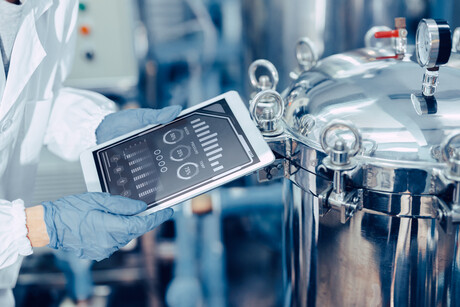
In the food processing sector, similar predictive maintenance strategies are being adopted. For more information on this trend, see this overview of predictive maintenance in the food industry, which highlights how predictive analytics can improve efficiency and reduce downtime.
Integrating Predictive Tools with Farm Operations
To get the most out of predictive harvest systems, integration with existing farm management practices is essential. This may involve connecting predictive platforms with irrigation controls, harvest scheduling tools, and logistics planning. By creating a unified workflow, farmers can respond quickly to recommendations and adjust operations in real time.
Some growers are also using predictive logs and machine data to further refine their harvest strategies. For instance, learning how to use machine logs for predictive insights can help identify patterns and optimize equipment use during the harvest season.
Future Directions: AI and Machine Learning in Harvest Prediction
The future of predictive tools for determining optimal harvest windows lies in even deeper integration of artificial intelligence and machine learning. As these technologies advance, predictive models will become more accurate, adaptive, and capable of handling complex variables such as climate change, pest outbreaks, and shifting market demands.
Emerging trends include:
- Edge AI: Real-time analysis of sensor data directly on devices in the field, reducing latency and improving responsiveness.
- Automated Harvesting: Integration with robotics and autonomous vehicles for precision harvesting based on predictive recommendations.
- Collaborative Platforms: Sharing data and insights across farms and regions to improve prediction accuracy and resilience.
These innovations promise to make predictive harvest solutions even more valuable for growers of all sizes.
FAQ
What types of crops benefit most from predictive harvest tools?
While almost any crop can benefit, high-value and perishable crops like fruits, vegetables, and specialty grains see the greatest impact. These crops are sensitive to timing, and predictive solutions help ensure peak quality and yield.
How accurate are predictive harvest models?
Accuracy depends on the quality of input data and the sophistication of the model. With well-calibrated sensors and robust analytics, predictions can be highly reliable, often outperforming traditional methods based on manual observation.
Are predictive harvest tools affordable for small farms?
Costs have decreased as technology has advanced. Many providers offer scalable solutions, and some government programs support technology adoption. Small farms can start with basic sensor systems and expand as needed.
Conclusion
Adopting predictive tools for determining optimal harvest windows is becoming essential for modern agriculture. These technologies empower farmers to make data-driven decisions, improve crop quality, and maximize profitability. As artificial intelligence and data analytics continue to advance, predictive solutions will play an even greater role in shaping the future of food production, ensuring that harvests are both timely and efficient.