
Maintaining optimal performance in food processing facilities requires close attention to equipment health, especially when it comes to heat exchangers. Over time, these critical components can accumulate unwanted deposits, leading to fouling. This buildup can reduce thermal efficiency, increase energy costs, and even compromise product safety. For plant managers and engineers, understanding the ways to monitor heat exchanger fouling is essential for ensuring consistent production quality and minimizing downtime.
Monitoring fouling isn’t just about maintaining efficiency—it’s also about preventing unexpected failures and extending the lifespan of expensive assets. By implementing effective detection and tracking strategies, food processors can proactively address issues before they escalate. In this guide, we’ll explore practical approaches, from traditional inspection methods to advanced sensor-based solutions, that help keep heat exchangers running smoothly.
For those interested in broader process optimization, you might also find value in learning how to improve pelleting efficiency in animal feed—a related topic where equipment monitoring plays a crucial role.
Understanding Fouling in Heat Exchangers
Fouling refers to the accumulation of unwanted materials—such as proteins, minerals, fats, or microbial films—on the surfaces of heat exchangers. In food processing, this is a common challenge due to the nature of the products and the strict hygiene requirements. Even minor fouling can lead to significant drops in heat transfer efficiency, increased pressure drops, and higher operational costs.
The consequences of unchecked fouling include:
- Reduced thermal performance and energy efficiency
- Increased cleaning frequency and associated downtime
- Potential contamination risks and compromised product quality
- Accelerated equipment wear and higher maintenance costs
Given these risks, it’s clear why monitoring is a top priority for food manufacturers.
Key Indicators for Detecting Fouling
Before diving into specific ways to monitor heat exchanger fouling, it’s important to recognize the main indicators that signal potential issues. These measurable parameters provide early warning signs and help guide maintenance decisions.
- Temperature Differentials: A decrease in the temperature difference between inlet and outlet streams often points to reduced heat transfer efficiency due to fouling.
- Pressure Drop: An increase in pressure drop across the heat exchanger is a classic sign of flow restriction caused by deposits.
- Energy Consumption: Rising energy usage for the same output can indicate that fouling is forcing the system to work harder.
- Product Quality Changes: Variations in final product temperature or consistency may also suggest heat exchanger performance issues.
By routinely tracking these metrics, operators can spot trends and intervene before problems escalate.
Manual Inspection and Visual Checks
One of the most straightforward approaches involves scheduled shutdowns for manual inspection. Technicians open the heat exchanger and visually assess the extent of fouling. While this method provides direct evidence, it has several drawbacks:
- Requires halting production, leading to downtime
- May not detect early-stage fouling or deposits in hard-to-reach areas
- Relies on subjective assessment and experience
Despite these limitations, visual checks remain a valuable tool, especially when combined with other monitoring techniques.
Sensor-Based Monitoring Solutions
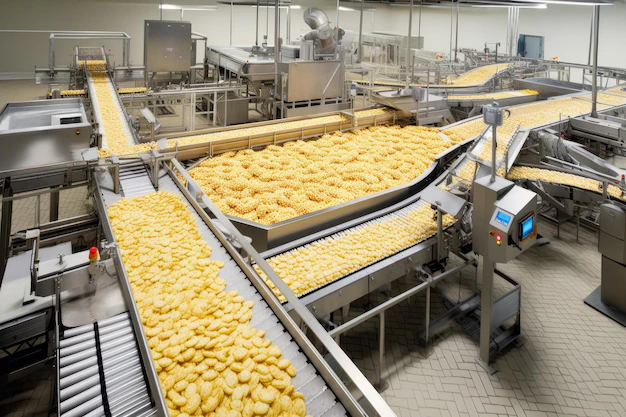
Modern food processing plants increasingly rely on automated sensors to continuously monitor heat exchanger performance. These systems offer real-time data and reduce the need for manual intervention. Common sensor-based methods include:
- Temperature Sensors: Track inlet and outlet temperatures to calculate heat transfer efficiency and detect deviations.
- Pressure Transducers: Measure pressure drops across the exchanger, providing immediate alerts if values exceed set thresholds.
- Flow Meters: Monitor flow rates to identify blockages or restrictions caused by fouling.
Integrating these sensors with a central control system enables predictive maintenance and faster response times. For more on predictive strategies, see this infographic on starting a predictive maintenance program in food production.
Data Analysis and Predictive Maintenance
Collecting data is only the first step. The real power comes from analyzing trends over time to anticipate when cleaning or maintenance is needed. Advanced analytics platforms can process sensor data, flag anomalies, and even predict future fouling events.
Some facilities use machine learning models to correlate process conditions with fouling rates, allowing for more accurate scheduling of cleaning cycles. This approach minimizes unnecessary shutdowns and maximizes equipment uptime.
If you’re interested in how predictive analytics can be applied to other areas, consider exploring predictive tools for moisture migration in cereal for further insights.
Regular Cleaning and Maintenance Scheduling
Even with the best monitoring systems, regular cleaning remains essential. The key is to base cleaning schedules on actual fouling conditions rather than fixed intervals. This strategy, known as condition-based maintenance, reduces unnecessary interventions and extends the life of heat exchangers.
Effective scheduling involves:
- Using sensor data to determine optimal cleaning times
- Documenting fouling rates and cleaning outcomes for future reference
- Training staff to interpret monitoring data and respond appropriately
Combining these practices with robust monitoring ensures that cleaning is both timely and efficient.
Integrating Monitoring with Broader Process Automation
Heat exchanger fouling is just one aspect of process optimization in food manufacturing. By linking fouling detection with other automation systems—such as those tracking motor current or monitoring oil oxidation—plants can achieve a more holistic approach to equipment health.
For example, integrating fouling data with systems that track motor current for anomaly detection can provide early warnings of broader mechanical issues. This interconnected approach supports continuous improvement and reduces the risk of unexpected failures.
Emerging Technologies for Fouling Detection
The future of fouling monitoring lies in advanced technologies such as machine vision, acoustic sensors, and AI-driven diagnostics. These tools promise even greater accuracy and earlier detection of performance issues.
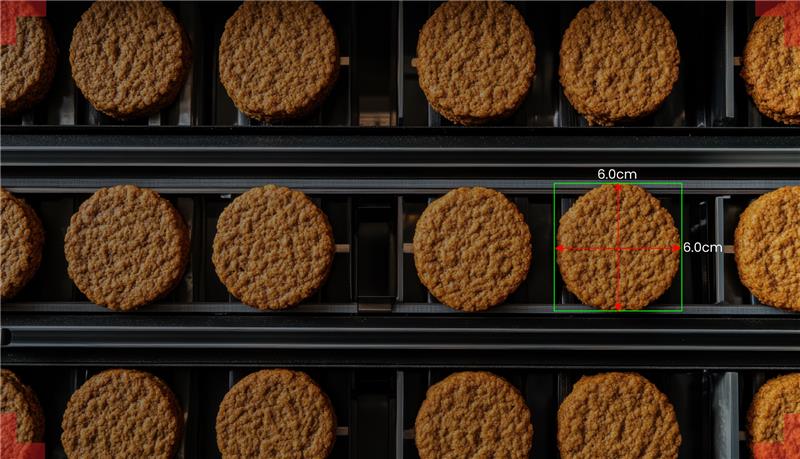
- Machine Vision: Cameras and image analysis software can detect surface changes and deposits in real time.
- Acoustic Monitoring: Sound waves are used to identify changes in flow patterns or blockages.
- AI Algorithms: Machine learning models analyze large datasets to predict fouling events before they impact production.
While some of these technologies are still emerging, they represent the next generation of process monitoring in the food industry.
Frequently Asked Questions
What are the most reliable indicators of heat exchanger fouling?
The most reliable indicators include increased pressure drop, reduced temperature differential, and higher energy consumption. Monitoring these parameters with sensors provides early warning of fouling buildup.
How often should heat exchangers in food processing be inspected for fouling?
Inspection frequency depends on the type of product, process conditions, and monitoring data. With continuous sensor-based monitoring, inspections can be scheduled based on actual fouling rates rather than fixed intervals, improving efficiency and reducing unnecessary downtime.
Can predictive maintenance help reduce fouling-related downtime?
Yes, predictive maintenance uses data analysis and trend monitoring to anticipate fouling events. This approach allows for timely cleaning and maintenance, minimizing unplanned shutdowns and extending equipment life.
Conclusion
Effectively tracking fouling in heat exchangers is crucial for food processors aiming to maintain product quality, reduce costs, and ensure regulatory compliance. By combining manual inspections, sensor-based monitoring, predictive analytics, and emerging technologies, facilities can stay ahead of potential issues and optimize their operations. Proactive monitoring not only safeguards equipment but also supports continuous improvement across the entire production process.