
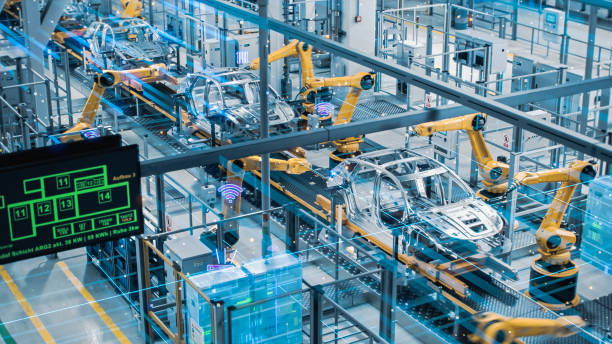
As manufacturing evolves, the need for smarter, more efficient energy use has never been greater. Factory energy management systems (FEMS) are at the forefront of this transformation, enabling industrial facilities to monitor, control, and optimize their energy consumption. By leveraging digital technologies and real-time data, these platforms help factories reduce costs, improve sustainability, and maintain competitiveness in a rapidly changing market.
In this article, we’ll break down how these systems work, what benefits they offer, and why they are becoming essential for modern production environments. For readers interested in the intersection of technology and industrial efficiency, you may also find value in exploring motion blur composition examples for inspiration in visualizing dynamic factory processes.
Understanding Digital Energy Optimization in Factories
At its core, a factory energy management system is a digital platform designed to collect, analyze, and act on energy usage data from across a manufacturing facility. These systems integrate with sensors, meters, and industrial equipment to provide a comprehensive view of how energy is consumed at every stage of production.
The main components typically include:
- Data Acquisition: Sensors and smart meters gather real-time information on electricity, gas, water, and steam usage.
- Centralized Monitoring: Dashboards visualize consumption patterns, peak demand periods, and anomalies.
- Automated Controls: Software can adjust equipment operation, lighting, and HVAC systems based on pre-set rules or AI-driven insights.
- Reporting & Analytics: Detailed reports help management identify inefficiencies and track progress toward sustainability goals.
By implementing these technologies, factories gain the ability to respond quickly to changing production needs, avoid unnecessary energy waste, and support long-term environmental objectives.
Key Benefits of Implementing Industrial Energy Management
The adoption of energy management solutions in manufacturing environments brings a range of tangible advantages:
- Cost Reduction: By identifying and eliminating energy waste, facilities can significantly lower utility bills.
- Operational Efficiency: Real-time monitoring allows for rapid response to equipment faults or abnormal consumption, minimizing downtime.
- Regulatory Compliance: Automated reporting simplifies adherence to environmental standards and audits.
- Carbon Footprint Reduction: Optimized energy use directly supports sustainability initiatives and corporate social responsibility.
- Predictive Maintenance: Data-driven insights help anticipate equipment failures before they occur, reducing repair costs and production interruptions.
These benefits are especially important as factories face increasing pressure to meet both economic and environmental targets. For a deeper look at how digitalization is reshaping production, consider reading about the evolution of smart factories and their role in Industry 4.0.
How Smart Factories Use Advanced Energy Monitoring
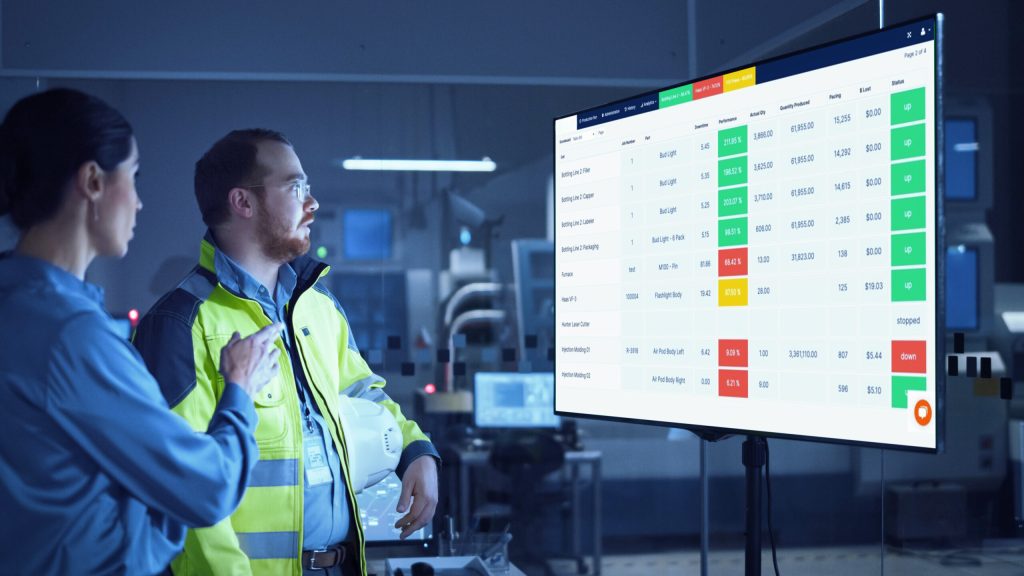
Modern production facilities increasingly rely on advanced monitoring platforms to gain granular visibility into their energy consumption. These platforms often employ machine learning algorithms to detect patterns, forecast demand, and recommend actions for optimal efficiency.
Key features of these smart solutions include:
- Real-Time Alerts: Instant notifications when consumption exceeds thresholds or equipment behaves abnormally.
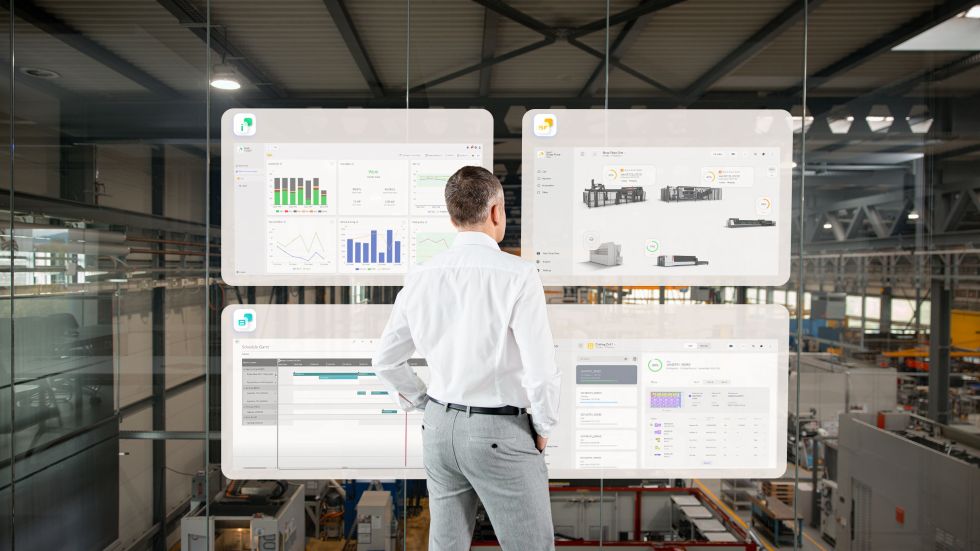
- Customizable Dashboards: Tailored views for different roles, from plant managers to maintenance teams.
- Integration with Production Systems: Seamless data sharing with MES, ERP, and building management systems.
- Remote Access: Cloud-based interfaces allow monitoring and control from anywhere, supporting multi-site operations.
These capabilities empower factories to not only track energy use but also to take proactive steps in reducing waste and improving overall productivity.
Challenges and Considerations for Industrial Energy Optimization
While the advantages are clear, implementing a comprehensive energy management platform in a factory setting comes with its own set of challenges:
- Integration Complexity: Connecting legacy equipment and disparate data sources can require significant upfront investment and technical expertise.
- Data Security: Protecting sensitive operational data from cyber threats is a top priority, especially as more systems move online.
- Change Management: Ensuring staff are trained and engaged with new processes is crucial for long-term success.
- Scalability: Solutions must be able to grow with the facility, accommodating new lines, shifts, or even entire plants.
Despite these hurdles, the long-term gains in efficiency and sustainability often outweigh the initial challenges, especially as technology continues to advance.
Best Practices for Deploying Energy Management in Manufacturing
To maximize the impact of energy management initiatives, manufacturers should consider the following best practices:
- Start with a Baseline: Conduct an initial energy audit to understand current usage and identify quick wins.
- Set Clear Objectives: Define measurable goals, such as percentage reduction in energy use or CO2 emissions.
- Engage Stakeholders: Involve operators, engineers, and management early to ensure buy-in and smooth adoption.
- Prioritize Flexibility: Choose solutions that can adapt to changing production needs and integrate with existing systems.
- Monitor and Iterate: Use data-driven insights to continuously refine strategies and achieve ongoing improvements.
For those interested in visualizing dynamic processes in manufacturing, the motion blur cinematic photography guide offers creative approaches to capturing movement and energy flow within industrial settings.
Frequently Asked Questions
What Is the Main Purpose of a Factory Energy Management System?
The primary goal is to monitor, control, and optimize energy consumption across all factory operations. By providing real-time insights and automated controls, these systems help reduce costs, improve efficiency, and support sustainability targets.
How Do Energy Management Platforms Integrate with Existing Factory Equipment?
Most modern solutions are designed to interface with a wide range of sensors, meters, and industrial control systems. They often support standard communication protocols, making it possible to connect both new and legacy equipment for centralized monitoring and control.
Are These Systems Suitable for Small and Medium-Sized Factories?
Yes, scalable energy management solutions are available for facilities of all sizes. Many vendors offer modular platforms that can be tailored to specific needs and budgets, allowing smaller factories to benefit from the same efficiency gains as larger enterprises.
Conclusion
As manufacturing continues to embrace digital transformation, the role of factory energy management systems is becoming increasingly vital. These platforms not only drive cost savings and operational efficiency but also support broader sustainability and compliance goals. By understanding the fundamentals, benefits, and best practices outlined in this article, manufacturers can make informed decisions about adopting and optimizing energy management technologies within their operations.