
Bearings are essential components in countless machines, from industrial motors to conveyor belts and turbines. Their primary function is to reduce friction between moving parts, ensuring smooth and efficient operation. However, one of the most significant threats to bearing health is vibration. Understanding how vibration impacts bearings is crucial for anyone involved in maintenance, reliability, or equipment management. Excessive or abnormal vibration can lead to premature bearing failure, costly downtime, and even safety risks if not addressed promptly.
In this article, we’ll explore the mechanisms by which vibration affects bearings, the signs of vibration-related issues, and practical steps you can take to minimize damage and extend bearing life. For those seeking a deeper dive into interpreting vibration data, the resource on machine vibration data interpretation provides valuable field insights.
Understanding the Relationship Between Vibration and Bearing Performance
Vibration is a natural byproduct of rotating machinery, but not all vibration is harmful. Bearings are designed to tolerate a certain level of movement. Problems arise when vibration exceeds design limits or occurs at specific frequencies that resonate with bearing components. This can accelerate wear, cause misalignment, and lead to surface fatigue or even catastrophic failure.
Common sources of problematic vibration include:
- Imbalance in rotating parts
- Misalignment of shafts or housings
- Looseness in mounting or supports
- Gear mesh issues or defective couplings
- External environmental factors (e.g., nearby equipment, foundation issues)
When these factors are present, the forces transmitted through the bearing can increase dramatically, leading to damage over time.

Key Ways Vibration Causes Bearing Damage
To appreciate the importance of monitoring vibration, it’s helpful to understand the specific ways it can harm bearings:
- Surface Fatigue and Spalling: Repeated vibration can cause microscopic cracks in the bearing raceways and rolling elements. Over time, these cracks grow, leading to surface flaking (spalling) and ultimately bearing failure.
- Brinelling: High levels of vibration—especially during transport or installation—can cause permanent indentations on the bearing surfaces, known as brinelling. This leads to increased noise, heat, and rapid degradation.
- Lubrication Breakdown: Excessive movement can disrupt the lubricant film between bearing surfaces, causing metal-to-metal contact. This accelerates wear and increases the risk of overheating.
- Loosening and Misalignment: Persistent vibration may loosen mounting bolts or shift bearing housings, resulting in misalignment that further increases stress on the bearing.
Recognizing these failure modes early is essential for preventing unexpected breakdowns and extending equipment life.
Detecting Vibration-Related Bearing Issues
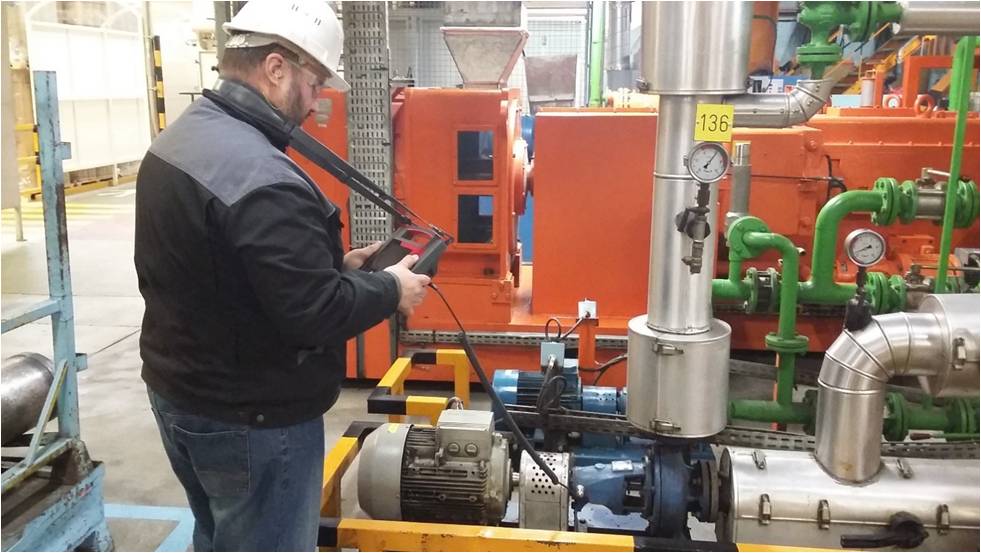
Early detection is the key to minimizing the impact of vibration on bearings. Modern maintenance teams use a variety of tools and techniques to monitor vibration and identify potential problems before they escalate.
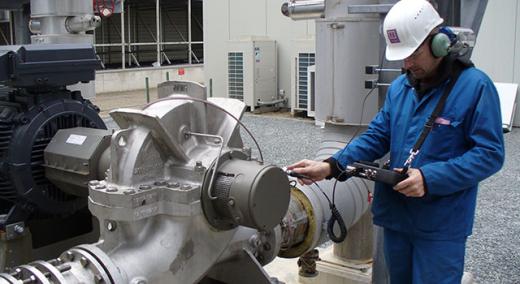
- Vibration Analysis: Regular monitoring with vibration sensors can reveal abnormal patterns that indicate bearing wear, imbalance, or misalignment. For a comprehensive overview, see this guide on vibration analysis for predictive maintenance.
- Ultrasound Inspection: High-frequency sound waves can detect early-stage bearing defects that may not yet be visible through vibration data alone.
- Temperature Monitoring: Bearings affected by excessive vibration often run hotter than normal. Sudden temperature increases can signal lubrication failure or excessive friction.
- Visual and Manual Checks: Inspecting for looseness, unusual noise, or visible damage during routine maintenance rounds can help catch issues early.
Practical Steps to Minimize Vibration and Protect Bearings
While it’s impossible to eliminate all vibration, several proven strategies can help reduce its impact and safeguard your bearings:
- Balance Rotating Components: Ensure all rotating parts are properly balanced to minimize uneven forces transmitted to the bearings.
- Maintain Alignment: Regularly check and correct shaft and housing alignment. Misalignment is a leading cause of vibration-related bearing failure.
- Secure Mountings: Tighten all bolts and supports to prevent looseness, which can amplify vibration and cause shifting during operation.
- Use Quality Lubricants: Select lubricants suited for your application and operating environment. Proper lubrication reduces friction and absorbs some vibration energy.
- Monitor and Replace Bearings Proactively: Implement a predictive maintenance program that uses vibration data to schedule bearing replacements before failure occurs.
Adopting these practices not only extends bearing life but also improves overall equipment reliability and reduces maintenance costs.
Leveraging Vibration Analysis for Preventive Maintenance
Integrating vibration monitoring into your maintenance strategy provides early warning of developing issues. By tracking vibration trends over time, teams can identify patterns that precede bearing failure and intervene before costly breakdowns occur.
Many organizations partner with specialized service providers or invest in in-house expertise to analyze vibration data. For those interested in advanced techniques, this comprehensive resource on vibration analysis covers methodologies, tools, and case studies relevant to industrial settings.
Combining vibration analysis with other predictive tools—such as thermal imaging and oil analysis—creates a robust maintenance program that maximizes uptime and asset longevity.
Frequently Asked Questions
What are the most common signs that vibration is damaging my bearings?
Typical indicators include increased noise, rising temperatures, visible wear or pitting on bearing surfaces, and abnormal vibration readings. Regular monitoring and inspection are essential for early detection.
How often should I perform vibration analysis on my equipment?
The ideal frequency depends on your equipment’s criticality and operating environment. High-speed or mission-critical machines may require continuous monitoring, while less critical assets can be checked monthly or quarterly. Refer to your manufacturer’s recommendations and adjust based on historical data.
Can vibration damage be prevented entirely?
While it’s not possible to eliminate all vibration, proactive maintenance, proper installation, and regular monitoring can significantly reduce the risk of vibration-related bearing damage. Early intervention is key to preventing minor issues from becoming major failures.