
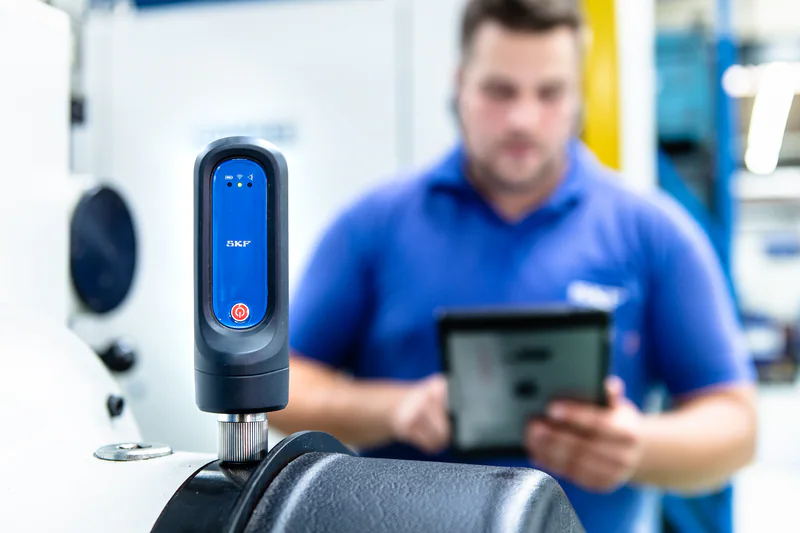
Understanding machine vibration severity standards is crucial for anyone involved in industrial maintenance, reliability engineering, or equipment diagnostics. These standards provide a framework for interpreting vibration measurements, helping professionals determine whether a machine is operating within acceptable limits or if corrective action is needed. However, the numbers and charts associated with these standards can be confusing without proper context. This article breaks down what these measurements mean, how to interpret them, and why they matter for equipment health and operational efficiency.
For those looking to deepen their understanding of vibration data, it’s helpful to explore resources like machine vibration data interpretation, which offers practical field guidance on analyzing and applying vibration readings.
Why Vibration Matters in Industrial Machinery
Vibration is a natural byproduct of rotating and reciprocating equipment. While some level of vibration is expected, excessive or abnormal vibration often signals underlying issues such as imbalance, misalignment, looseness, or bearing defects. Monitoring vibration levels is a proven way to detect early signs of mechanical problems, prevent unplanned downtime, and extend equipment life.
Adhering to vibration severity guidelines allows maintenance teams to set clear thresholds for intervention. When vibration readings exceed these thresholds, it’s a warning that the machine may be at risk of failure or reduced performance. This proactive approach is a cornerstone of predictive maintenance strategies.
Key Standards for Assessing Vibration Levels
Several organizations have developed widely accepted vibration severity standards to help users interpret measurement data. The most referenced is ISO 10816 (now updated to ISO 20816), which classifies vibration severity for different machine types and sizes. These standards provide recommended limits for overall vibration velocity, typically measured in millimeters per second (mm/s) or inches per second (in/s) RMS.

Some of the most common standards and guidelines include:
- ISO 10816/20816: Covers general vibration severity for rotating machinery, including pumps, fans, and motors.
- ANSI S2.41: Provides guidelines for vibration measurement and evaluation in industrial machinery.
- Manufacturer Specifications: Many OEMs provide their own recommended vibration limits tailored to specific equipment models.
These standards categorize vibration levels into zones, typically labeled as “Good,” “Satisfactory,” “Unsatisfactory,” and “Unacceptable.” Each zone corresponds to a range of vibration values, making it easier to assess machine condition at a glance.
Interpreting Vibration Severity Charts and Zones
Vibration severity charts are visual tools that map measured values to condition zones. For example, a chart may indicate that a vibration velocity of 2.8 mm/s RMS is “Satisfactory” for a certain class of machine, while values above 7.1 mm/s RMS are “Unacceptable.”

Here’s a simplified example based on ISO 10816 for machines above 15 kW:
| Severity Zone | Vibration Velocity (mm/s RMS) | Condition |
|---|---|---|
| Zone A | 0 – 2.8 | Good (New or Rebuilt) |
| Zone B | 2.8 – 7.1 | Satisfactory (Acceptable for Operation) |
| Zone C | 7.1 – 11.2 | Unsatisfactory (Corrective Action Recommended) |
| Zone D | > 11.2 | Unacceptable (Immediate Action Required) |
It’s important to note that these ranges may vary depending on the machine type, mounting method, and operational context. Always consult the relevant standard or manufacturer documentation for precise limits.
Factors That Influence Vibration Severity Interpretation
While machine vibration severity standards provide valuable benchmarks, interpreting vibration data requires more than just reading a chart. Several factors can influence the significance of a given measurement:
- Machine Type and Size: Larger machines or those with rigid foundations may tolerate higher vibration levels than smaller or more flexible equipment.
- Operating Conditions: Load, speed, and environmental factors can all affect vibration readings. Measurements should be taken under consistent conditions for accurate trending.
- Measurement Location: Readings taken at different points on a machine (e.g., drive end vs. non-drive end) may yield different results.
- Frequency Content: Overall vibration severity is useful, but analyzing the frequency spectrum can reveal specific fault types, such as imbalance or bearing wear.
- Historical Data: Trending vibration over time helps distinguish between normal operational changes and emerging problems.
For a deeper dive into how vibration analysis works and how to interpret complex data, resources like this explanation of vibration analysis methods can provide additional context and technical detail.
Best Practices for Applying Vibration Severity Guidelines
To get the most value from vibration monitoring, consider these best practices:
- Follow a Consistent Measurement Routine: Use the same measurement points, tools, and operational conditions for each reading.
- Compare Against Relevant Standards: Always use the correct standard for your machine type and size. Don’t rely solely on generic charts.
- Investigate Abnormal Readings: If vibration exceeds recommended limits, conduct further analysis to identify the root cause before taking corrective action.
- Leverage Predictive Maintenance: Integrate vibration severity assessments into a broader predictive maintenance program to maximize uptime and asset reliability. For a comprehensive overview, see vibration analysis for predictive maintenance.
Common Pitfalls and Misconceptions
Misinterpreting vibration data can lead to unnecessary repairs or missed warning signs. Some common pitfalls include:
- Overreacting to Isolated Spikes: One-off high readings may result from temporary conditions or measurement errors. Always confirm with repeat measurements.
- Ignoring Frequency Analysis: Overall severity is just one piece of the puzzle. Frequency analysis helps pinpoint specific faults.
- Applying the Wrong Standard: Using limits meant for different machine classes or sizes can result in inaccurate assessments.
- Neglecting Trending: A single measurement is less valuable than a trend over time, which reveals gradual deterioration or sudden changes.
FAQ: Understanding Vibration Severity in Machinery
What is the difference between vibration velocity, displacement, and acceleration?
Vibration can be measured in terms of displacement (movement distance), velocity (speed of movement), or acceleration (rate of change of velocity). Most machine vibration severity standards use velocity (mm/s or in/s RMS) as it provides a good balance between sensitivity to faults and ease of measurement for rotating machinery.
How often should vibration measurements be taken?
The frequency of vibration monitoring depends on the criticality of the equipment and operational demands. For essential machines, monthly or even weekly measurements are common. Less critical assets may be monitored quarterly. Consistent intervals are important for effective trending and early fault detection.
Can vibration severity standards be used for all types of machines?
While general standards like ISO 10816/20816 cover many rotating machines, specialized equipment (such as gearboxes, reciprocating compressors, or precision spindles) may require different guidelines. Always consult the relevant standard or manufacturer recommendations for your specific application.
Conclusion
Interpreting vibration data according to established machine vibration severity standards is a foundational skill for anyone responsible for equipment reliability. By understanding what the numbers mean, applying the correct guidelines, and considering the broader operational context, maintenance teams can make informed decisions that protect assets and reduce downtime. Consistent monitoring, proper analysis, and a proactive approach to vibration management are key to maximizing the value of your machinery and ensuring safe, efficient operations.