
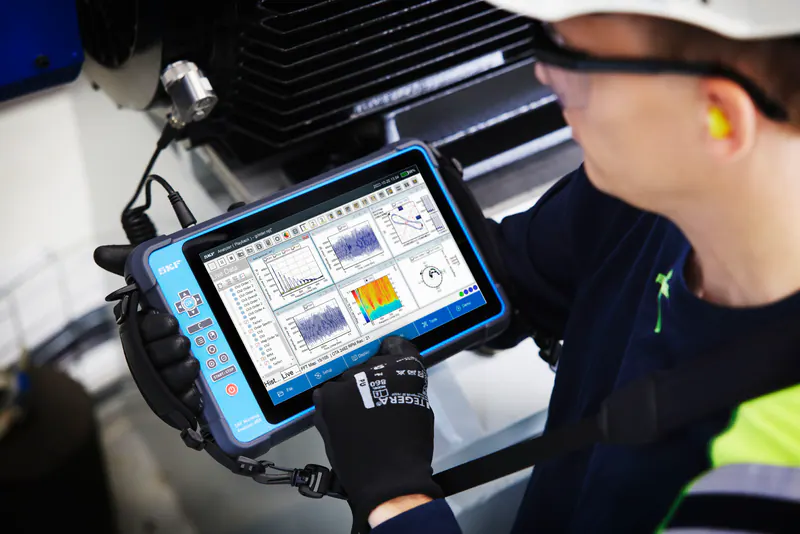
Industrial conveyors are the backbone of countless manufacturing, mining, and logistics operations. Ensuring their reliability is crucial for maintaining productivity and minimizing costly downtime. One of the most effective ways to achieve this is through conveyor vibration monitoring methods, which help detect early signs of mechanical issues before they escalate into major failures.
By keeping a close eye on vibration patterns, maintenance teams can identify imbalances, misalignments, and wear in conveyor components. This proactive approach not only extends equipment life but also supports safer and more efficient operations. In this article, we’ll explore the most common techniques for monitoring conveyor vibrations, the benefits of each, and how to implement a robust monitoring strategy.
For those interested in broader industrial applications, our resource on vibration analysis for power plants provides valuable insights into monitoring critical assets.
Why Monitor Conveyor Vibrations?
Conveyors are subject to constant mechanical stress, which can lead to gradual degradation of components such as bearings, pulleys, and belts. Unchecked, these issues can result in unexpected breakdowns, production losses, and even safety hazards. By applying vibration monitoring techniques, organizations can:
- Detect faults early: Identify problems like misalignment, imbalance, or looseness before they cause failures.
- Reduce unplanned downtime: Schedule maintenance based on actual equipment condition rather than fixed intervals.
- Improve safety: Prevent catastrophic failures that could endanger personnel or damage assets.
- Optimize maintenance costs: Focus resources where they’re needed most, avoiding unnecessary part replacements.
Key Conveyor Vibration Monitoring Methods
Several approaches are available for tracking and analyzing vibrations in conveyor systems. Each method offers unique advantages depending on the application, budget, and desired level of automation.
Manual Vibration Measurement
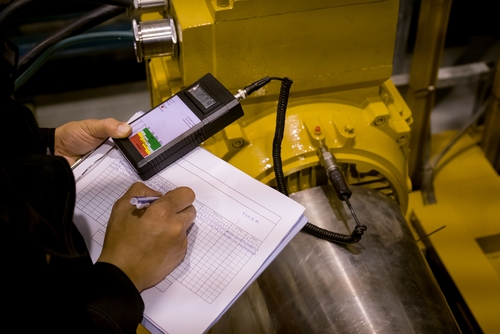
The most basic method involves using handheld devices like vibration meters or portable data collectors. Maintenance personnel periodically measure vibration at key points along the conveyor, such as motor housings, gearboxes, and bearing supports.
- Pros: Low initial investment, easy to implement, suitable for small or less critical conveyors.
- Cons: Intermittent data, potential for missed faults between inspections, relies on operator skill.
Continuous Online Vibration Monitoring
For critical or high-value conveyor systems, continuous monitoring is often preferred. This approach uses permanently installed sensors (such as accelerometers) to provide real-time data on vibration levels. The information is transmitted to a central system for analysis and alerting.
- Pros: 24/7 monitoring, immediate fault detection, supports predictive maintenance strategies.
- Cons: Higher upfront cost, requires integration with control systems, ongoing maintenance of sensors.
Continuous monitoring is especially valuable in environments where conveyor failure would halt production or pose safety risks. It also enables advanced analytics, such as trend analysis and automated diagnostics.
Wireless and IoT-Based Solutions
Recent advances in industrial IoT have made wireless vibration sensors more accessible. These devices can be quickly deployed on conveyors without extensive wiring, transmitting data to cloud-based platforms for analysis.
- Pros: Flexible installation, scalable across multiple assets, remote monitoring capabilities.
- Cons: Battery life considerations, potential connectivity issues in harsh environments.
Wireless solutions are ideal for retrofitting older conveyors or monitoring assets in remote locations. They also facilitate data-driven decision-making by providing easy access to historical and real-time vibration data.

Data Analysis Techniques in Vibration Monitoring
Collecting vibration data is only the first step. The real value comes from analyzing this information to detect abnormal patterns and predict failures. Common analysis methods include:
- Time-domain analysis: Examines raw vibration signals over time to identify sudden changes or spikes.
- Frequency-domain analysis: Uses Fast Fourier Transform (FFT) to break down vibration into its component frequencies, helping pinpoint specific faults like bearing defects or imbalance.
- Trend analysis: Tracks vibration levels over weeks or months to spot gradual deterioration.
Advanced software tools can automate much of this analysis, providing actionable insights and maintenance recommendations. For a deeper dive into interpreting vibration data, see our guide on machine vibration data interpretation.
Best Practices for Implementing a Conveyor Monitoring Program
To maximize the benefits of vibration monitoring, consider the following best practices:
- Identify critical assets: Focus on conveyors whose failure would have the greatest impact on operations.
- Select appropriate sensors: Choose sensors with the right sensitivity and frequency range for your application.
- Establish baseline measurements: Record vibration levels when equipment is known to be in good condition.
- Set alarm thresholds: Define acceptable vibration limits based on manufacturer recommendations and historical data.
- Train personnel: Ensure maintenance teams understand how to collect and interpret vibration data.
- Integrate with maintenance planning: Use monitoring results to inform preventive and predictive maintenance schedules.
A well-designed program not only prevents unexpected failures but also supports continuous improvement in equipment reliability.
Integrating Vibration Monitoring with Other Condition Monitoring Techniques
While vibration analysis is powerful, it’s even more effective when combined with other condition monitoring methods such as temperature measurement, oil analysis, and acoustic monitoring. This holistic approach provides a more complete picture of conveyor health and helps prioritize maintenance actions.
For more on how different monitoring strategies can work together, explore our article on how factories use condition monitoring to stay ahead of failures.
Benefits of Proactive Conveyor Maintenance
Implementing a robust vibration monitoring program delivers several long-term advantages:
- Reduced maintenance costs: By addressing issues early, you avoid expensive emergency repairs and extend component life.
- Higher equipment availability: Minimize unplanned downtime and keep production lines running smoothly.
- Improved workplace safety: Prevent accidents caused by sudden equipment failures.
- Data-driven decision making: Use real-time insights to optimize maintenance schedules and resource allocation.
These benefits make vibration monitoring an essential part of modern asset management strategies across industries.
Further Resources on Vibration Analysis
For a comprehensive overview of vibration analysis principles and applications, refer to this detailed guide to vibration analysis from a leading industry authority.
If your facility includes specialized equipment, you may also find our article on vibration analysis for textile machinery helpful for keeping looms and similar assets in optimal condition.
Frequently Asked Questions
What are the most common signs of conveyor vibration problems?
Early indicators include unusual noises, increased vibration levels, visible shaking of components, and abnormal wear patterns on belts or pulleys. Regular monitoring helps catch these signs before they lead to breakdowns.
How often should vibration measurements be taken on conveyors?
The frequency depends on the criticality of the conveyor and the monitoring method used. For manual checks, monthly or quarterly inspections are common. Continuous online systems provide real-time data, allowing for immediate response to any anomalies.
Can vibration monitoring be used on all types of conveyors?
Yes, these techniques are applicable to belt, roller, screw, and chain conveyors. The choice of sensors and analysis methods may vary depending on the conveyor design and operating environment.
Is it necessary to combine vibration monitoring with other techniques?
While vibration analysis is highly effective, combining it with temperature, oil, and acoustic monitoring provides a more comprehensive view of equipment health and can improve fault detection accuracy.
What is the role of data analysis in conveyor monitoring?
Data analysis transforms raw vibration measurements into actionable insights, enabling maintenance teams to detect trends, diagnose faults, and plan interventions before failures occur.