
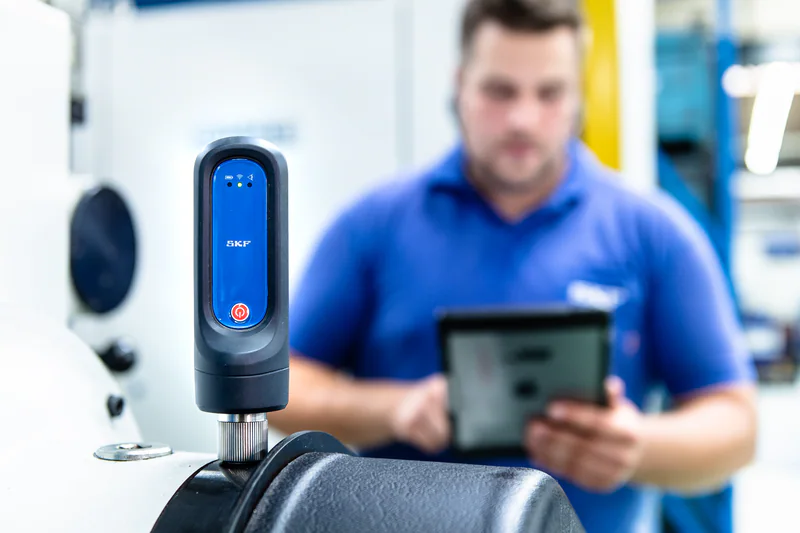
Centrifugal pumps are essential in many industrial processes, but they are vulnerable to a phenomenon called cavitation. When cavitation occurs, it can cause significant damage to pump components, reduce efficiency, and lead to costly downtime. One of the most reliable ways to detect cavitation early is by monitoring vibration patterns. Understanding the typical vibration signs associated with cavitation—and knowing how to address them—can help maintenance teams protect equipment and maintain operational reliability.
This article explores how to recognize the telltale vibration symptoms of cavitation, the underlying causes, and practical steps for prevention and remediation. For those operating in sectors like power generation, food processing, or textiles, integrating vibration analysis for power plants and other industrial assets is a proactive approach to asset health.
Understanding Cavitation and Its Impact on Pumps
Cavitation occurs when the pressure in a liquid drops below its vapor pressure, causing vapor bubbles to form within the pump. As these bubbles travel to higher-pressure areas, they collapse violently, creating shockwaves that can erode metal surfaces and generate abnormal vibration. Over time, this process can lead to pitting, impeller damage, and even catastrophic pump failure.
The main causes of cavitation include:
- Low suction pressure or high fluid temperature
- Improper pump selection or installation
- Obstructions or restrictions in the suction line
- Excessive pump speed
Recognizing the early warning signs of cavitation through vibration monitoring is crucial for timely intervention.
Key Vibration Patterns Indicating Cavitation
Detecting pump cavitation vibration signs relies on identifying specific vibration characteristics that differ from normal operating conditions. These include:
- Broadband vibration: Cavitation often produces a wide frequency range of vibration, rather than sharp peaks at specific frequencies.
- Random, high-frequency noise: The collapse of vapor bubbles creates a “gravel” or “marbles” sound, reflected in high-frequency vibration signals.
- Intermittent spikes: Vibration amplitude may fluctuate unpredictably as cavitation comes and goes with changes in flow or pressure.
- Increased overall vibration: A general rise in vibration levels, especially in the 1,000–3,000 Hz range, can be a strong indicator.

Technicians often use vibration analysis tools to capture and interpret these patterns. For a deeper dive into how these tools work, see this comprehensive explanation of vibration analysis methods.
How to Distinguish Cavitation from Other Vibration Issues
Not all abnormal vibration is caused by cavitation. Other issues—such as misalignment, imbalance, or bearing defects—can produce similar symptoms. However, cavitation has some unique signatures:
- Sound: Cavitation produces a distinct, crackling or rumbling noise, unlike the steady hum of a healthy pump.
- Location: The most intense vibration is usually near the pump suction and impeller.
- Frequency spectrum: Cavitation typically causes a broad, random frequency spectrum, while mechanical faults often show up as distinct peaks at predictable frequencies.
Combining vibration data with other monitoring methods—such as pressure and flow measurements—improves diagnostic accuracy.
Common Causes of Cavitation in Industrial Pumps
Understanding what triggers cavitation is key to prevention. The most frequent causes include:
- Insufficient Net Positive Suction Head (NPSH): If the available NPSH is less than required by the pump, vapor bubbles will form.
- High fluid temperature: Warmer liquids have lower vapor pressures, making cavitation more likely.
- Obstructed or undersized suction lines: Restrictions increase velocity and reduce pressure, encouraging bubble formation.
- Pump running too fast: Excessive speed can drop pressure below the vapor point.

Addressing these root causes is the most effective way to reduce the risk of cavitation and its damaging effects.
Best Practices for Identifying and Addressing Cavitation Vibration
A proactive approach to monitoring and maintenance can help teams catch cavitation early and prevent costly repairs. Here are some recommended steps:
- Implement regular vibration monitoring: Use portable or permanent sensors to track vibration trends and detect anomalies.
- Analyze vibration spectra: Look for the broadband, high-frequency patterns typical of cavitation.
- Correlate with operating data: Compare vibration events with changes in flow, pressure, or temperature to confirm cavitation.
- Inspect pump components: If cavitation is suspected, examine impellers and casings for pitting or erosion.
- Take corrective action: Address root causes—such as increasing suction head, reducing pump speed, or clearing suction line obstructions.
Incorporating advanced monitoring technologies, such as industrial IoT maintenance applications, can further enhance early detection and response.
Preventive Measures to Minimize Cavitation Risk
While detecting cavitation through vibration is important, prevention is always preferable. To minimize the risk:
- Ensure the pump is correctly sized for the application and fluid properties.
- Maintain adequate suction head and avoid excessive lift.
- Keep suction lines clean, straight, and free of restrictions.
- Monitor fluid temperatures and avoid overheating.
- Operate pumps within recommended speed and flow ranges.
Regular training and awareness for operators and maintenance staff can also help catch early warning signs before serious damage occurs.
FAQ: Pump Cavitation and Vibration Monitoring
What are the most common vibration symptoms of cavitation?
The most typical vibration symptoms include a broad frequency spectrum, random high-frequency noise, intermittent spikes in amplitude, and a noticeable increase in overall vibration levels. These signs are often accompanied by a distinct crackling or rumbling sound from the pump.
How can vibration analysis help prevent pump damage?
Vibration analysis enables early detection of abnormal patterns associated with cavitation. By identifying these signs before significant wear occurs, maintenance teams can take corrective action—such as adjusting operating conditions or repairing components—thereby extending pump life and reducing unplanned downtime.
Can other pump problems mimic cavitation vibration?
Yes, issues like misalignment, imbalance, or bearing defects can also cause abnormal vibration. However, cavitation is distinguished by its broadband, random frequency signature and characteristic noise. Combining vibration data with other monitoring methods improves diagnostic accuracy.
By understanding and acting on pump cavitation vibration signs, organizations can protect critical assets, reduce maintenance costs, and ensure reliable operation across a range of industrial applications.