
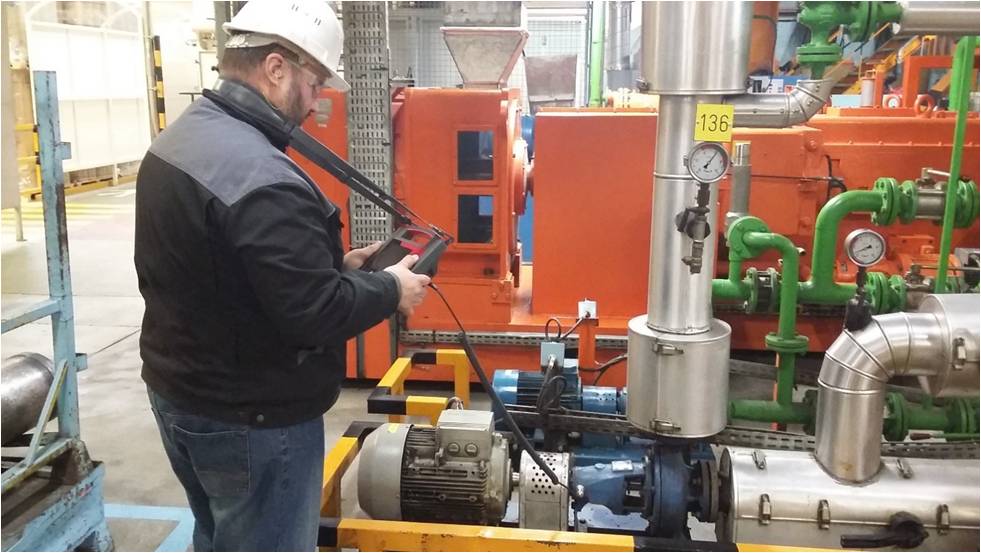
Industrial operations depend on the reliability and efficiency of their equipment. Unexpected breakdowns can lead to costly downtime, safety hazards, and production losses. That’s why machine health monitoring techniques have become essential for modern manufacturing and processing facilities. These strategies enable early detection of faults, optimize maintenance schedules, and extend the lifespan of critical assets.
This article explores the most effective approaches for tracking equipment condition, highlights the benefits of proactive monitoring, and provides insights into the technologies shaping the future of industrial maintenance. For those managing assets in sectors like power generation, manufacturing, or food processing, understanding these methods is key to maximizing uptime and minimizing risk.
For a deeper dive into how vibration analysis supports asset reliability in specific industries, consider reviewing vibration analysis for power plants, which covers monitoring strategies for critical assets in energy production.
Why Monitor Equipment Condition?
Traditional maintenance approaches, such as reactive or scheduled servicing, often result in either excessive downtime or missed warning signs. By contrast, machine health monitoring techniques focus on real-time or periodic assessment of equipment status. This approach provides several key advantages:
- Early Fault Detection: Identifies problems before they escalate, reducing the risk of catastrophic failure.
- Optimized Maintenance: Enables predictive maintenance, ensuring interventions are performed only when necessary.
- Cost Savings: Minimizes unplanned outages and extends asset life, lowering total maintenance costs.
- Improved Safety: Reduces the likelihood of hazardous incidents caused by undetected equipment faults.
Core Machine Health Monitoring Techniques
There are several established methods for assessing the condition of industrial equipment. Each technique offers unique insights and is often used in combination for comprehensive monitoring.
Vibration Analysis: Detecting Mechanical Issues
One of the most widely adopted machine health monitoring techniques is vibration analysis. This method involves measuring the vibration signature of rotating machinery, such as motors, pumps, and compressors. Changes in vibration patterns can indicate issues like imbalance, misalignment, bearing wear, or looseness.
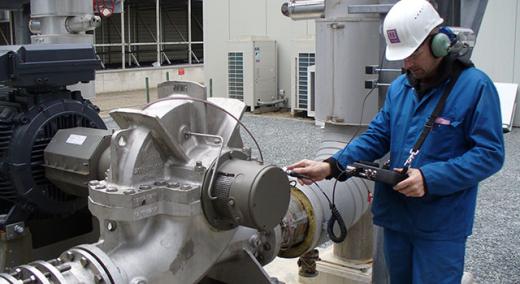
Advanced vibration monitoring systems use sensors and analytics to provide continuous feedback. For more information on this technique, see this resource on vibration analysis and its role in predictive maintenance.
Additionally, specialized guides like machine vibration data interpretation can help maintenance teams make sense of complex vibration data and translate it into actionable insights.
Thermography: Identifying Overheating Components
Infrared thermography is another valuable approach for monitoring the health of industrial assets. By capturing thermal images, technicians can spot abnormal heat patterns that may signal electrical faults, lubrication issues, or mechanical friction. This non-contact method is especially useful for inspecting electrical panels, motors, and bearings while equipment remains in operation.
Ultrasound Monitoring: Pinpointing Leaks and Electrical Discharges
Ultrasound technology detects high-frequency sounds produced by leaks, arcing, or mechanical wear. It is particularly effective for identifying compressed air leaks, steam trap failures, and early-stage bearing defects. Portable ultrasound devices allow for quick inspections, while permanent sensors can provide continuous monitoring in critical areas.
Oil Analysis: Monitoring Lubricant Quality
Regular oil sampling and analysis can reveal the presence of contaminants, wear particles, or chemical degradation. This technique helps predict failures in gearboxes, hydraulic systems, and engines by tracking lubricant condition over time. Oil analysis is often integrated with other monitoring strategies for a holistic view of equipment health.
Digital Transformation: The Role of IIoT in Condition Monitoring
The Industrial Internet of Things (IIoT) has revolutionized how facilities implement machine health monitoring techniques. IIoT-enabled sensors collect real-time data from equipment and transmit it to centralized platforms for analysis. This connected approach offers several benefits:
- Remote Monitoring: Maintenance teams can track asset health from anywhere, improving response times.
- Automated Alerts: Systems generate notifications when parameters exceed safe thresholds, enabling immediate action.
- Data-Driven Decisions: Advanced analytics and machine learning identify patterns and predict failures with greater accuracy.
For an overview of how IIoT is reshaping maintenance practices, explore industrial IoT maintenance applications and their impact on modern factories.

Implementing a Machine Health Monitoring Program
To maximize the benefits of these techniques, organizations should adopt a structured approach to equipment monitoring. Here are key steps to consider:
- Asset Criticality Assessment: Identify which machines are most vital to operations and prioritize them for monitoring.
- Technique Selection: Choose the most appropriate methods based on equipment type, failure modes, and available resources.
- Sensor Deployment: Install sensors or schedule manual inspections as needed for vibration, temperature, ultrasound, or oil quality.
- Data Collection and Analysis: Use software platforms to aggregate and interpret monitoring data, enabling timely decision-making.
- Continuous Improvement: Regularly review program effectiveness and adjust strategies to address new risks or technologies.
Industry Applications and Case Examples
Different sectors apply machine health monitoring techniques in ways tailored to their unique challenges:
- Power Generation: Monitoring turbines, generators, and pumps to prevent costly outages. See more on vibration analysis for power plants.
- Textile Manufacturing: Keeping looms and spinning machines running smoothly with targeted vibration and temperature checks. Learn about vibration analysis for textile machinery.
- Food Processing: Ensuring compliance and uptime by monitoring mixers, conveyors, and packaging lines. Explore vibration analysis for food processing equipment for more details.
In each case, the right combination of monitoring methods helps facilities reduce downtime, improve safety, and maintain product quality.
Challenges and Best Practices
While the advantages of proactive monitoring are clear, organizations may face obstacles such as:
- Initial Investment: Upfront costs for sensors and analytics platforms can be significant, but are often offset by long-term savings.
- Data Overload: Collecting large volumes of data requires effective filtering and analysis to avoid information fatigue.
- Skill Gaps: Maintenance teams may need training to interpret complex data and leverage new technologies.
To overcome these challenges, start with a pilot program focused on critical assets, invest in staff development, and partner with technology providers who offer scalable solutions. Regularly review performance metrics to ensure the program delivers measurable value.
FAQ
What are the most common machine health monitoring techniques?
The most widely used methods include vibration analysis, infrared thermography, ultrasound monitoring, and oil analysis. Each provides unique insights into equipment condition and is often combined for a comprehensive approach.
How does vibration analysis help prevent equipment failure?
Vibration analysis detects changes in a machine’s vibration patterns, which can indicate issues like imbalance, misalignment, or bearing wear. Early detection allows maintenance teams to address problems before they cause breakdowns or safety incidents.
Can small and medium-sized factories benefit from these monitoring strategies?
Absolutely. While large facilities may have more resources, smaller operations can start with targeted monitoring of their most critical assets. Many modern solutions are scalable and cost-effective, making them accessible for businesses of all sizes.