
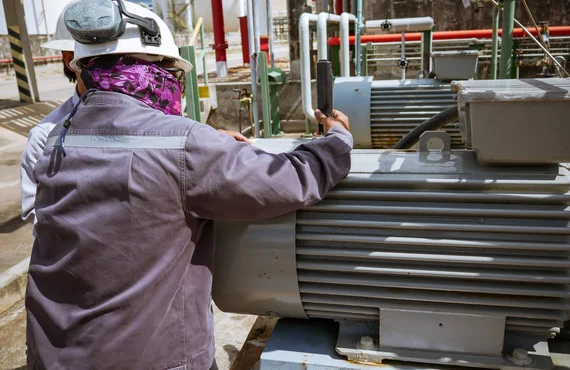
Maintaining high standards in manufacturing is essential for competitiveness and customer satisfaction. One often overlooked factor that can significantly impact finished goods is vibration. Whether subtle or severe, unwanted oscillations in machinery and equipment can introduce defects, reduce yield, and increase costs. Understanding how vibration affects product quality is crucial for engineers, plant managers, and quality assurance teams aiming to optimize operations and minimize waste.
Vibration can originate from numerous sources, including imbalanced rotating parts, misalignment, worn bearings, or external influences like nearby heavy equipment. If not properly monitored and controlled, these vibrations can propagate through production lines, affecting everything from precision machining to packaging. In this article, we’ll explore the mechanisms by which vibration impacts manufacturing outcomes, discuss detection and mitigation strategies, and highlight the importance of proactive monitoring for long-term success.
For those working in specialized sectors, such as energy or textiles, targeted resources like vibration analysis for power plants offer deeper insights into asset monitoring and reliability improvements.
Understanding the Impact of Vibration on Manufacturing Outcomes
Uncontrolled vibration can have a direct and measurable effect on the consistency and reliability of manufactured products. The consequences range from surface imperfections and dimensional inaccuracies to premature equipment failure and unplanned downtime. Let’s break down some of the most common ways vibration can compromise product quality:
- Surface Finish Defects: In machining processes, even minor oscillations can cause chatter marks, roughness, or waviness on finished surfaces, making parts unsuitable for high-precision applications.
- Dimensional Variability: Vibration can lead to tool deflection or movement, resulting in parts that are out of tolerance or require costly rework.
- Assembly Issues: Components manufactured under excessive vibration may not fit together properly, leading to assembly line delays or increased rejection rates.
- Material Fatigue: Persistent vibration can accelerate wear and tear on both products and machinery, reducing lifespan and increasing maintenance needs.
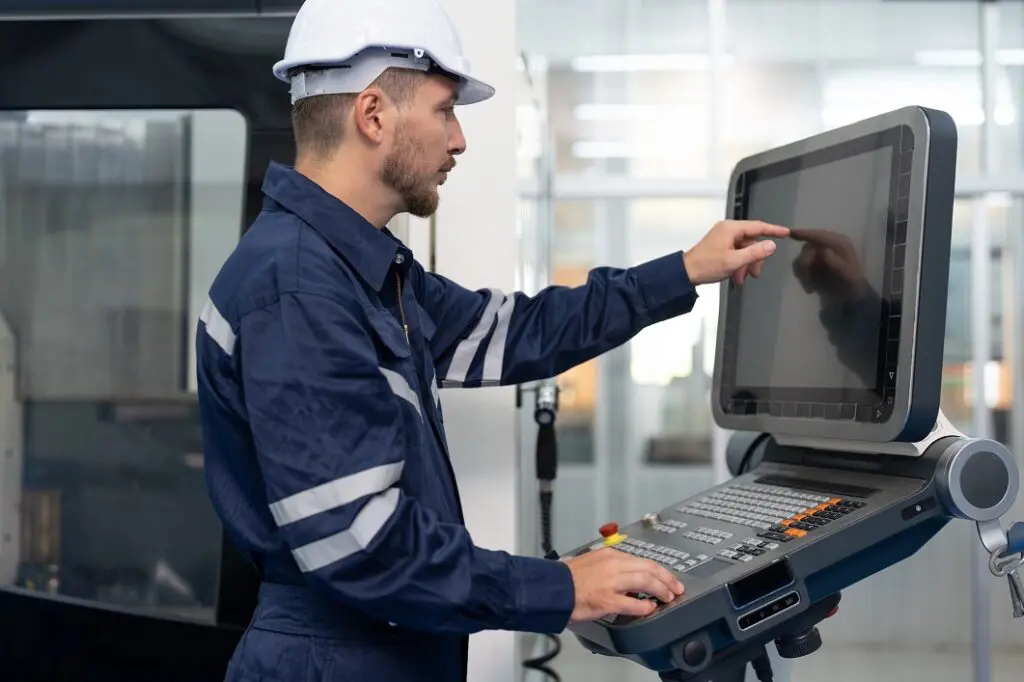
Sources and Types of Vibration in Industrial Settings
To effectively address how vibration affects product quality, it’s important to identify where these oscillations originate. The main sources include:
- Rotating Equipment: Motors, pumps, and fans can develop imbalances or misalignments, leading to cyclical forces transmitted through the production line.
- External Disturbances: Construction, heavy vehicle movement, or nearby equipment can introduce ground-borne vibrations that travel through building structures.
- Process-Induced Vibrations: High-speed cutting, stamping, or pressing operations may generate their own vibrational energy, especially if not properly dampened.
Vibrations are typically classified by frequency and amplitude. High-frequency, low-amplitude vibrations can cause subtle surface defects, while low-frequency, high-amplitude oscillations may result in visible misalignments or catastrophic equipment failures. Both types are problematic for maintaining consistent product quality.
Detecting and Measuring Vibration to Safeguard Quality
Early detection is key to preventing vibration-related defects. Modern manufacturing facilities employ a range of tools and techniques to monitor and analyze vibration:
- Accelerometers and Sensors: These devices are mounted on critical machinery to continuously measure vibration levels and alert operators to abnormal conditions.
- Vibration Analysis Software: Advanced analytics can interpret sensor data, identify patterns, and predict potential failures before they impact production.
- Routine Inspections: Regular manual checks using handheld vibration meters can supplement automated systems, especially in smaller operations.
For those interested in a deeper technical dive, resources such as comprehensive guides on vibration analysis provide detailed methodologies for data collection and interpretation.
Additionally, understanding machine vibration data interpretation can empower maintenance teams to make informed decisions and prevent quality issues before they arise.
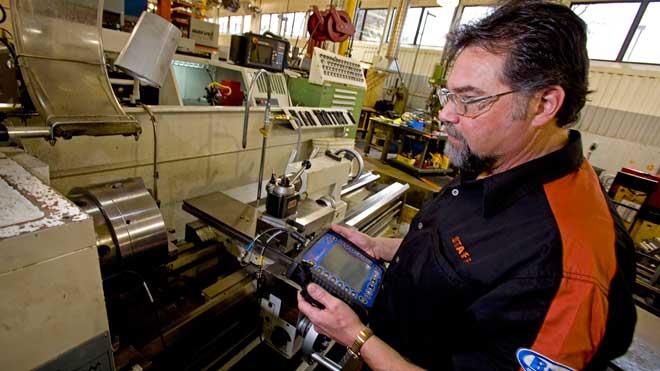
Strategies for Minimizing Vibration and Enhancing Product Quality
Once vibration sources are identified, several practical steps can be taken to reduce their impact on production:
- Regular Maintenance: Keep equipment well-lubricated, balanced, and aligned to prevent excessive vibration from developing.
- Isolation and Damping: Use vibration isolators, pads, or mounts to absorb and dissipate unwanted energy before it reaches sensitive machinery or products.
- Process Optimization: Adjust cutting speeds, feed rates, or tool paths to minimize vibration during machining or assembly operations.
- Continuous Monitoring: Implement real-time monitoring systems to detect deviations and enable prompt corrective action.
- Operator Training: Educate staff on the signs of vibration-related issues and empower them to report or address problems early.
In sectors where uptime and safety are paramount, such as food processing, specialized approaches like vibration analysis for food processing equipment can help maintain both product integrity and operational efficiency.
The Role of Digitalization in Vibration Management
With the rise of Industry 4.0, digital tools are transforming how manufacturers approach vibration control. Smart sensors, cloud-based analytics, and predictive maintenance platforms enable proactive identification of risks and support data-driven decision-making. These technologies not only help maintain high product quality but also reduce downtime and extend equipment life.
For example, industrial IoT maintenance applications are reshaping modern factories by integrating vibration monitoring with broader asset management systems. This holistic approach ensures that quality issues are caught early, and corrective actions are prioritized based on real-time data.
Industry Examples: Where Vibration Control Makes a Difference
Different manufacturing sectors face unique challenges when it comes to vibration:
- Textile Industry: Looms and spinning machines are sensitive to oscillations, which can cause thread breakage or fabric defects. Targeted solutions like vibration analysis for textile machinery help keep production lines running smoothly.
- Precision Engineering: In aerospace or medical device manufacturing, even microscopic vibrations can compromise tolerances, requiring advanced damping and monitoring systems.
- Heavy Industry: Large-scale equipment such as turbines or compressors must be carefully balanced and monitored to prevent catastrophic failures and ensure consistent output quality.
In each case, a proactive approach to vibration management is essential for maintaining high standards and avoiding costly disruptions.
Frequently Asked Questions
What are the most common signs that vibration is affecting product quality?
Typical indicators include surface finish defects, parts that are out of tolerance, increased scrap rates, and unexpected equipment wear. Operators may also notice unusual noises or excessive movement in machinery, which can signal underlying vibration issues.
How can manufacturers detect vibration problems before they impact production?
Implementing continuous monitoring with accelerometers and vibration sensors is the most effective approach. Regular inspections and data analysis can also help identify trends and predict failures before they result in defective products.
Are there industry standards for acceptable vibration levels in manufacturing?
Yes, several organizations provide guidelines for vibration limits, such as ISO 10816 for rotating machinery. Acceptable levels vary by equipment type and application, so it’s important to consult relevant standards and tailor monitoring programs to specific operational needs.
Can digital solutions help reduce vibration-related defects?
Absolutely. Digital platforms that integrate real-time sensor data, predictive analytics, and maintenance scheduling can significantly reduce the risk of vibration-induced quality issues. These systems enable faster response times and more effective root cause analysis.
Conclusion
Vibration is a critical yet often underestimated factor in manufacturing quality. By understanding its sources, effects, and mitigation strategies, organizations can protect their products, extend equipment life, and enhance overall operational efficiency. Investing in advanced monitoring technologies and fostering a culture of proactive maintenance will help ensure that vibration remains a manageable variable, not a costly problem.