

Industrial operations depend on the consistent performance of machinery. When equipment fails unexpectedly, it can lead to costly downtime, safety risks, and expensive repairs. Vibration analysis and equipment reliability are closely linked, as monitoring vibration patterns is one of the most effective ways to detect early signs of mechanical issues. By understanding how these two concepts interact, maintenance teams can prevent failures, extend asset life, and optimize operational efficiency.
Whether you manage a manufacturing plant, power facility, or processing line, integrating vibration monitoring into your maintenance strategy is essential. This article explores the relationship between vibration data and asset dependability, practical methods for implementation, and the benefits of a proactive approach. For those working in specialized industries, resources such as vibration analysis for power plants offer additional insights into sector-specific best practices.
Understanding Vibration Analysis in Industrial Settings
Vibration analysis is a diagnostic technique used to assess the condition of rotating and reciprocating machinery. By measuring the vibration levels and frequencies produced by equipment, maintenance professionals can identify abnormal patterns that indicate wear, imbalance, misalignment, or other mechanical problems. This data-driven approach enables early detection of faults, often before they lead to catastrophic failure.
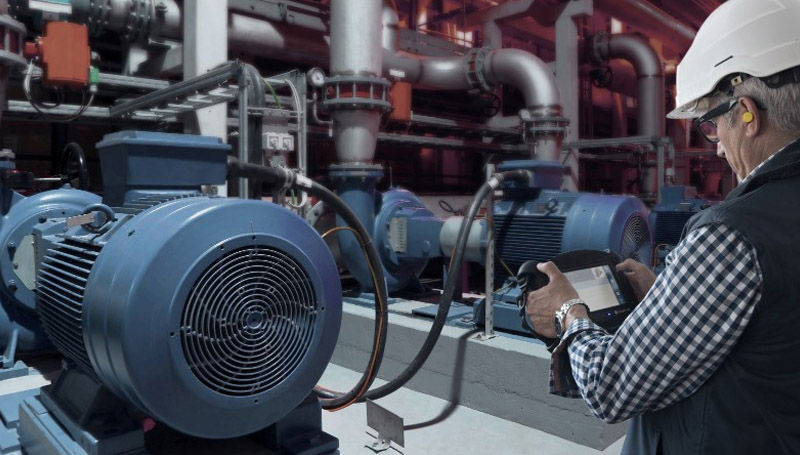
Common applications include monitoring motors, pumps, compressors, fans, and gearboxes. Sensors—such as accelerometers—are placed on critical components to capture real-time vibration data. The collected information is then analyzed using specialized software, which compares current readings to baseline values and industry standards.
The Link Between Vibration Monitoring and Asset Dependability
There is a direct relationship between vibration analysis and equipment reliability. Machines that operate smoothly with minimal vibration are less likely to experience unplanned breakdowns. Conversely, excessive or abnormal vibrations often signal underlying issues that, if left unaddressed, can lead to failure.
Some of the most common problems detected through vibration monitoring include:
- Imbalance: Uneven mass distribution causes increased vibration and premature bearing wear.
- Misalignment: Incorrect shaft alignment leads to excessive forces and rapid component degradation.
- Looseness: Loose bolts or fittings can create erratic vibration signatures.
- Bearing defects: Early-stage bearing failures often present as specific vibration frequencies.
- Gear mesh issues: Damaged gear teeth produce distinct vibration patterns.
By identifying these conditions early, maintenance teams can schedule targeted repairs or replacements, reducing the risk of unexpected downtime and extending the lifespan of critical assets.
Benefits of Integrating Vibration Analysis for Reliability Improvement
Adopting a vibration-based maintenance strategy offers several advantages for organizations focused on maximizing uptime and minimizing costs:
- Early Fault Detection: Problems are identified before they escalate, allowing for planned interventions.
- Reduced Maintenance Costs: Targeted repairs prevent unnecessary part replacements and labor expenses.
- Increased Safety: Preventing catastrophic failures reduces the risk of accidents and injuries.
- Optimized Asset Utilization: Machines remain in service longer, improving return on investment.
- Data-Driven Decisions: Maintenance schedules are based on actual equipment condition, not arbitrary intervals.
For industries with unique operational challenges, such as food processing or textiles, tailored approaches to monitoring can further enhance reliability. For example, those interested in sector-specific guidance may find value in resources like vibration analysis for food processing equipment or vibration analysis for textile machinery.
Implementing a Vibration Monitoring Program
Establishing an effective vibration monitoring program involves several key steps:
- Asset Selection: Identify critical machines whose failure would significantly impact operations.
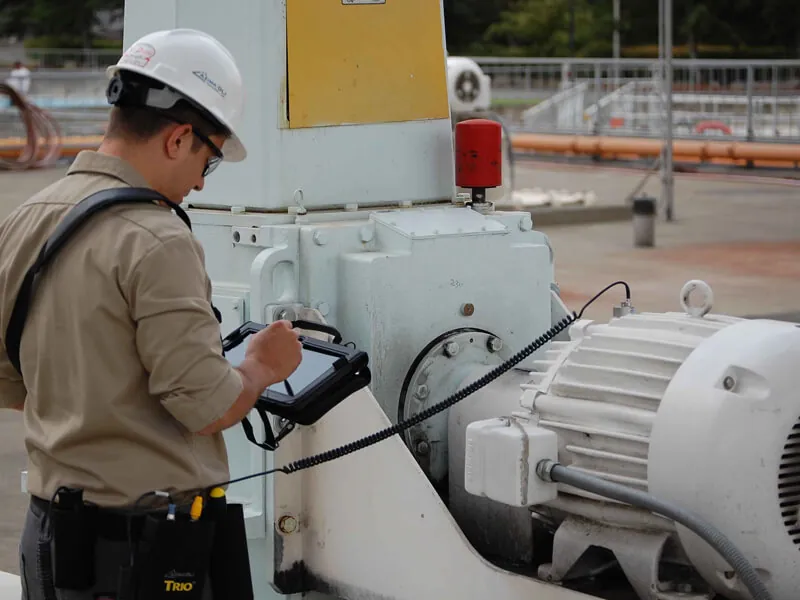
- Sensor Placement: Install vibration sensors on strategic points, such as bearing housings and motor mounts.
- Baseline Measurement: Record initial vibration levels to serve as a reference for future comparisons.
- Data Collection: Set up regular or continuous monitoring, depending on asset criticality and failure risk.
- Analysis and Diagnosis: Use analytical tools to interpret vibration data and pinpoint issues.
- Corrective Action: Schedule repairs or maintenance based on findings, prioritizing urgent issues.
- Continuous Improvement: Review program effectiveness and update procedures as needed.
Modern solutions often integrate with industrial IoT platforms, enabling remote monitoring and automated alerts. For more on how digital technologies are transforming maintenance, see resources on industrial IoT maintenance applications.
Best Practices for Maximizing Equipment Performance
To achieve the full benefits of vibration-based reliability strategies, consider the following best practices:
- Train Maintenance Staff: Ensure technicians understand how to collect and interpret vibration data accurately.
- Use Quality Sensors: Invest in reliable, calibrated sensors for consistent measurements.
- Establish Clear Thresholds: Define acceptable vibration levels and trigger points for intervention.
- Document Findings: Maintain detailed records of vibration trends, faults detected, and corrective actions taken.
- Integrate with Other Predictive Tools: Combine vibration analysis with technologies like thermography or oil analysis for a comprehensive view of asset health.
For those seeking practical advice on interpreting vibration signals, the machine vibration data interpretation guide offers step-by-step instructions and real-world examples.
Industry Applications and Case Studies
Many sectors have demonstrated significant improvements in reliability and cost savings through vibration monitoring. For example, power generation facilities use continuous vibration tracking to prevent generator and turbine failures. Manufacturing plants rely on periodic checks to keep production lines running smoothly. Food processing operations benefit from early detection of bearing wear, reducing contamination risks and unplanned stoppages.
According to industry experts, organizations that implement comprehensive vibration programs often see:
- Up to 50% reduction in unexpected equipment failures
- Lower maintenance costs over time
- Improved safety records and compliance with regulatory standards
For a deeper dive into the technical aspects and real-world outcomes, authoritative resources like this overview of vibration analysis techniques provide valuable context and case studies.
Frequently Asked Questions
How does vibration analysis improve equipment reliability?
By continuously monitoring vibration patterns, maintenance teams can detect early signs of mechanical issues such as imbalance, misalignment, or bearing defects. Addressing these problems before they escalate helps prevent unexpected breakdowns, reduces downtime, and extends the lifespan of machinery.
What types of equipment benefit most from vibration monitoring?
Rotating and reciprocating machinery—such as motors, pumps, compressors, fans, and gearboxes—are prime candidates for vibration monitoring. These assets are critical to industrial operations and are susceptible to faults that manifest as abnormal vibrations.
How often should vibration data be collected?
The frequency of data collection depends on the criticality of the equipment and its operating conditions. High-value or high-risk assets may require continuous monitoring, while less critical machines might be checked on a weekly or monthly basis. Establishing a baseline and adjusting intervals based on asset performance is recommended.