
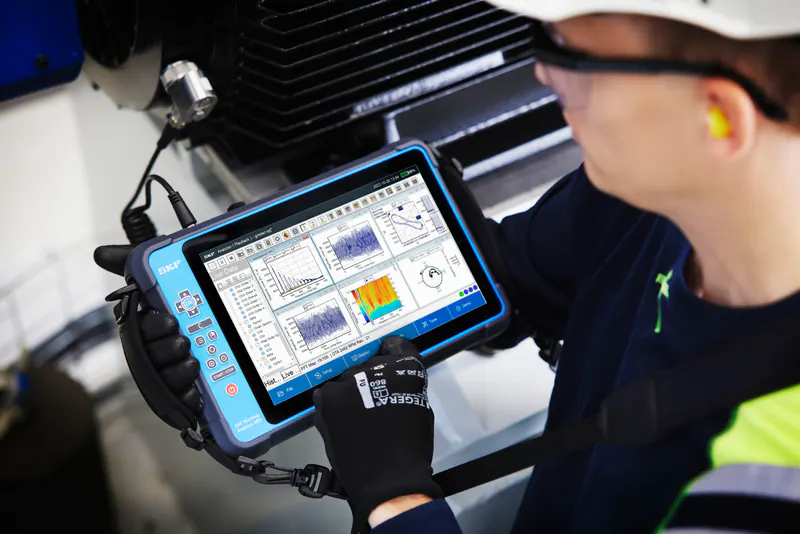
AI powered vibration analysis is transforming the way industries monitor and maintain their critical machinery. By leveraging advanced algorithms and machine learning, this technology enables earlier and more accurate detection of faults, reducing downtime and maintenance costs. As industries face increasing pressure to optimize operations and prevent unexpected failures, intelligent vibration monitoring is quickly becoming a key tool for reliability engineers and maintenance teams.
Traditional vibration analysis methods rely heavily on manual interpretation and expert knowledge, which can be time-consuming and prone to human error. In contrast, AI-driven solutions can process vast amounts of sensor data in real time, automatically identifying subtle patterns and anomalies that might otherwise go unnoticed. This shift not only improves fault detection but also helps organizations move toward predictive maintenance strategies, maximizing equipment uptime.
For industries with specialized needs, such as power generation, tailored solutions are available. For example, vibration analysis for power plants provides targeted monitoring for critical assets, ensuring reliability and safety in high-stakes environments.
How Intelligent Vibration Monitoring Works
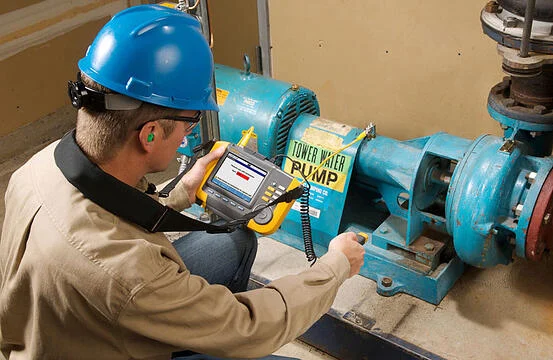
At its core, AI powered vibration analysis uses machine learning models to interpret data from vibration sensors attached to rotating equipment, motors, pumps, and other machinery. These sensors capture detailed information about the motion and frequency of machine components. The collected data is then processed by AI algorithms, which have been trained on large datasets of normal and faulty machine behavior.
The key advantage of this approach is the ability to detect even minor deviations from normal operation. By continuously learning from new data, AI systems can adapt to changing machine conditions and identify emerging issues before they develop into serious problems. This proactive approach enables maintenance teams to schedule repairs at the most convenient times, avoiding costly unplanned outages.
Benefits of AI-Driven Fault Detection
The adoption of AI powered vibration analysis brings several significant benefits to industrial operations:
- Early Fault Detection: AI models can spot subtle changes in vibration patterns that signal the onset of mechanical issues, such as bearing wear, misalignment, or imbalance.
- Reduced Downtime: By predicting failures before they occur, maintenance can be planned proactively, minimizing unplanned shutdowns and production losses.
- Lower Maintenance Costs: Targeted interventions help avoid unnecessary part replacements and reduce labor expenses.
- Improved Safety: Early warnings about potential failures reduce the risk of catastrophic breakdowns, protecting both personnel and equipment.
- Scalability: AI systems can monitor hundreds or thousands of assets simultaneously, making them ideal for large-scale operations.
These advantages make AI-based vibration monitoring a compelling choice for industries seeking to improve reliability and operational efficiency.
Key Technologies Behind Smarter Vibration Analysis
Several technological advancements have enabled the rise of intelligent vibration monitoring:
- Advanced Sensors: Modern accelerometers and wireless vibration sensors provide high-resolution, real-time data streams from equipment in harsh environments.
- Machine Learning Algorithms: Techniques such as neural networks, support vector machines, and anomaly detection models are used to classify vibration patterns and detect faults.
- Edge Computing: Processing data at the source (on the sensor or gateway) allows for real-time analysis and rapid response, even in remote or bandwidth-limited locations.
- Cloud Integration: Centralized data storage and analysis enable historical trend analysis, fleet-wide monitoring, and integration with other maintenance systems.
These components work together to deliver actionable insights, helping maintenance teams focus their efforts where they are needed most.
Applications Across Different Industries
The versatility of AI powered vibration analysis means it can be applied in a wide range of industrial settings. Some common use cases include:
- Manufacturing: Monitoring motors, conveyors, and production lines to prevent unexpected downtime.
- Power Generation: Ensuring the reliability of turbines, generators, and auxiliary systems.
- Food Processing: Protecting critical equipment in hygienic environments, as seen in vibration analysis for food processing equipment.
- Textile Machinery: Keeping looms and spinning machines running smoothly, as discussed in vibration analysis for textile machinery.
- Industrial IoT: Integrating with broader digital transformation initiatives, such as industrial IoT maintenance applications.
No matter the industry, the goal remains the same: maximize equipment uptime, reduce maintenance costs, and ensure safe, reliable operations.
Challenges and Considerations for Implementation
While the benefits of intelligent vibration monitoring are clear, there are several factors to consider when implementing these systems:
- Data Quality: Accurate fault detection depends on high-quality sensor data. Poor sensor placement or calibration can lead to false alarms or missed issues.
- Model Training: AI models require large datasets of both normal and faulty behavior to achieve high accuracy. Gathering sufficient labeled data can be challenging, especially for rare failure modes.
- Integration: Seamless integration with existing maintenance management systems and workflows is essential for realizing the full value of AI insights.
- Change Management: Adopting new technology requires training and buy-in from maintenance teams, who may be accustomed to traditional methods.
Organizations should work closely with solution providers to ensure a smooth deployment and ongoing support.
Best Practices for Maximizing Value
To get the most from AI powered vibration analysis, consider these best practices:
- Start Small: Begin with a pilot project on a critical asset or production line to demonstrate value and build internal expertise.
- Focus on High-Impact Assets: Prioritize equipment where failures would have the greatest operational or financial impact.
- Continuously Improve: Use feedback from maintenance teams and new data to refine AI models and detection thresholds.
- Leverage Expert Knowledge: Combine AI insights with the experience of skilled technicians for more accurate diagnosis and repair decisions.
- Monitor Results: Track key performance indicators such as downtime reduction, maintenance cost savings, and fault detection rates to measure success.
By following these steps, organizations can accelerate their transition to predictive maintenance and realize significant operational benefits.
Further Reading and Resources
For a deeper dive into the fundamentals and real-world applications of vibration monitoring, consider exploring this comprehensive overview of vibration analysis techniques. Additionally, for those interested in practical interpretation of machine data, machine vibration data interpretation offers a field guide to understanding sensor outputs and making informed maintenance decisions.
Frequently Asked Questions
What types of faults can AI-based vibration monitoring detect?
AI-driven systems can identify a wide range of mechanical issues, including bearing defects, misalignment, imbalance, gear wear, and looseness. By analyzing vibration signatures, these solutions can often detect problems earlier than traditional methods.
How does AI improve accuracy compared to manual analysis?
AI algorithms can process large volumes of sensor data quickly and consistently, reducing the risk of human error. They also learn from historical data, enabling them to recognize subtle patterns and anomalies that may be missed by manual interpretation.
Is AI-powered vibration monitoring suitable for all industries?
While most commonly used in manufacturing, energy, and process industries, AI-based vibration analysis can be adapted to virtually any sector with rotating or reciprocating machinery. The key is selecting the right sensors and tailoring the AI models to the specific equipment and operating environment.