
The manufacturing sector is undergoing rapid transformation as new technologies and data-driven strategies redefine how industrial assets are maintained and optimized. Machine condition monitoring trends are at the heart of this shift, empowering organizations to predict failures, minimize downtime, and extend equipment life. As we approach 2025, these advancements are not just incremental—they are fundamentally changing the way factories operate, compete, and innovate.
Manufacturers are investing in smarter sensors, advanced analytics, and connected platforms to gain real-time insights into their machinery. This proactive approach is replacing traditional reactive maintenance, leading to significant cost savings and improved operational efficiency. For those looking to stay ahead, understanding the latest developments in this field is essential.

A key aspect of this evolution is the integration of specialized techniques such as vibration analysis for power plants, which helps monitor critical assets and prevent costly breakdowns. By leveraging these tools, manufacturers can make informed decisions that boost productivity and ensure long-term reliability.
Emerging Technologies in Machine Health Monitoring
The next wave of machine condition monitoring trends is driven by a convergence of hardware and software innovations. Smart sensors are becoming more affordable and capable, allowing for continuous data collection on parameters like vibration, temperature, and acoustic emissions. These sensors are often wireless, making them easier to deploy across large facilities without extensive cabling or infrastructure changes.
Cloud-based platforms are also gaining traction, enabling remote monitoring and centralized data analysis. This shift allows maintenance teams to access equipment health information from anywhere, improving responsiveness and collaboration. Additionally, edge computing is being used to process data locally on the factory floor, reducing latency and bandwidth requirements.
Predictive Maintenance and AI-Driven Insights
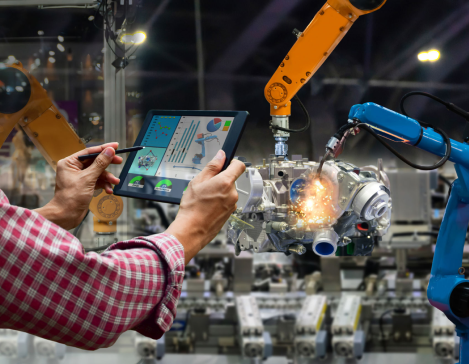
One of the most significant shifts in industrial maintenance is the move from scheduled or reactive interventions to predictive strategies. By analyzing historical and real-time data, artificial intelligence and machine learning algorithms can identify subtle patterns that indicate impending failures. This enables maintenance teams to act before issues escalate, reducing unplanned downtime and optimizing resource allocation.
Predictive maintenance relies heavily on accurate data interpretation. For those seeking practical guidance, resources such as machine vibration data interpretation offer valuable field insights. These approaches are now being integrated with broader asset management systems, providing a holistic view of plant health and performance.
The adoption of AI-driven monitoring is also helping manufacturers address the skills gap in maintenance teams. Automated diagnostics and prescriptive recommendations allow less-experienced technicians to make informed decisions, while experts can focus on more complex challenges.
Real-Time Data and Remote Monitoring Solutions
The demand for instant access to machine health information is fueling the adoption of real-time monitoring solutions. With the proliferation of Industrial IoT (IIoT) devices, manufacturers can now track the status of assets across multiple sites from a single dashboard. This capability is especially valuable for organizations with distributed operations or limited on-site personnel.
Remote monitoring not only improves visibility but also supports faster response times when anomalies are detected. Maintenance teams can receive alerts on their mobile devices, enabling them to prioritize interventions and minimize disruption. This approach is transforming traditional maintenance workflows and supporting more agile manufacturing environments.
Industry-Specific Applications and Use Cases
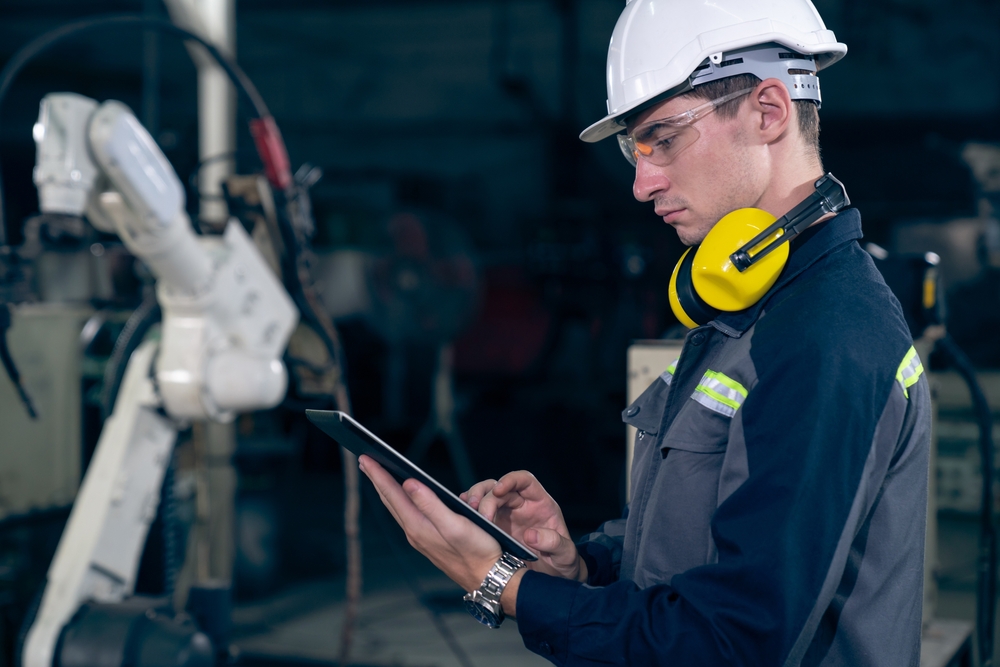
Different manufacturing sectors are adopting machine condition monitoring trends in ways that reflect their unique operational challenges. For example, textile mills rely on vibration analysis for textile machinery to keep looms running smoothly and avoid costly stoppages. In the food processing industry, monitoring equipment health is essential for both uptime and safety, as outlined in vibration analysis for food processing equipment.
Power generation facilities, on the other hand, depend on advanced monitoring to safeguard critical assets and ensure uninterrupted service. These tailored approaches demonstrate the versatility and impact of modern condition monitoring solutions across the industrial landscape.
Integration with Industrial IoT and Digital Transformation
The rise of IIoT is accelerating the adoption of connected maintenance strategies. By linking sensors, machines, and analytics platforms, manufacturers can create a digital thread that spans the entire asset lifecycle. This integration supports advanced applications such as automated work order generation, inventory management, and performance benchmarking.
For those interested in broader digital transformation efforts, exploring industrial IoT maintenance applications can provide a deeper understanding of how these technologies are reshaping modern factories. The result is a more resilient, efficient, and data-driven approach to asset management.
Benefits and Challenges of Adopting New Monitoring Practices
Embracing the latest machine condition monitoring trends offers numerous benefits, including:
- Reduced downtime through early detection of faults
- Lower maintenance costs by targeting interventions more effectively
- Extended equipment lifespan due to proactive care
- Improved safety by identifying hazardous conditions before they escalate
- Enhanced energy efficiency through optimized machine performance
However, there are also challenges to consider. Implementing new technologies may require upfront investment, changes to existing workflows, and staff training. Data security and integration with legacy systems can also present obstacles. Manufacturers must weigh these factors carefully to ensure a successful transition.
Best Practices for Successful Implementation
To maximize the value of modern monitoring solutions, manufacturers should:
- Start with a clear assessment of critical assets and failure risks
- Select scalable sensor and analytics platforms that align with operational needs
- Invest in staff training and change management to foster adoption
- Establish data governance policies to ensure accuracy and security
- Continuously review and refine monitoring strategies based on results
Staying informed about industry developments is also crucial. For example, learning from resources like comprehensive vibration analysis guides can help teams stay ahead of emerging challenges and opportunities.
FAQ: Machine Health Monitoring in Modern Manufacturing
What are the main benefits of adopting advanced machine monitoring?
The primary advantages include reduced unplanned downtime, lower maintenance costs, improved safety, and longer equipment life. By identifying issues early, manufacturers can plan interventions more effectively and avoid costly breakdowns.
How does AI enhance predictive maintenance strategies?
Artificial intelligence analyzes large volumes of sensor data to detect patterns that may signal impending failures. This allows maintenance teams to act proactively, addressing problems before they disrupt operations and optimizing resource allocation.
Is it difficult to integrate new monitoring technologies with existing systems?
Integration can be challenging, especially in facilities with legacy equipment. However, many modern solutions are designed for compatibility and scalability. Careful planning, staff training, and phased implementation can help ensure a smooth transition.
Where can I learn more about vibration analysis and machine health?
There are several in-depth resources available, such as machine vibration data interpretation and detailed vibration analysis guides, which provide practical insights for maintenance professionals.