
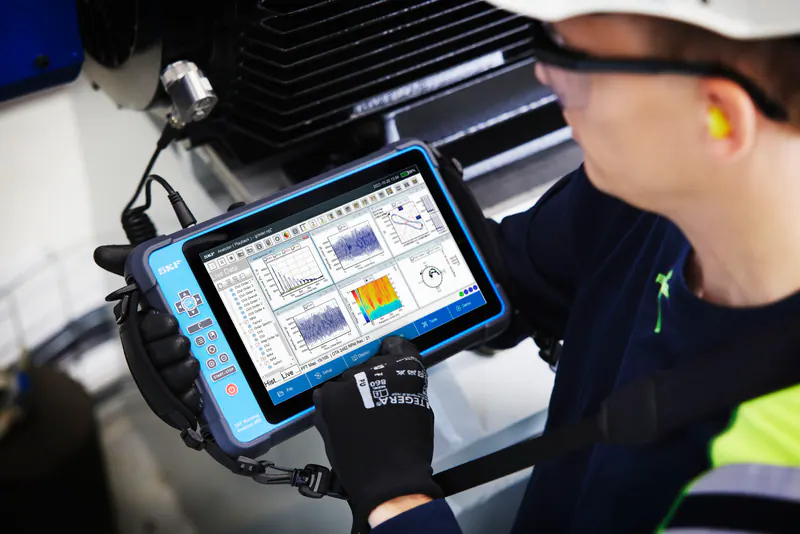
Modern manufacturing environments rely heavily on complex machinery and equipment. Keeping these assets running efficiently is essential for productivity, safety, and cost control. One of the most effective strategies for maintaining optimal performance is the use of vibration monitoring. By continuously tracking the vibration patterns of machines, factories can detect early signs of mechanical issues, prevent unexpected breakdowns, and optimize maintenance schedules.
Understanding the benefits of vibration monitoring in factories is crucial for plant managers, maintenance teams, and decision-makers looking to improve operational reliability and reduce costs. This article explores how vibration analysis supports predictive maintenance, enhances safety, and drives efficiency across various industrial sectors.
For those interested in specialized applications, such as vibration analysis for power plants, there are tailored approaches that address the unique demands of critical assets in energy production. Leveraging vibration data interpretation can also support other industries, from textiles to food processing, ensuring machinery longevity and consistent output.
Why Vibration Monitoring Matters in Industrial Settings
Factories are dynamic environments where equipment is subject to constant stress, wear, and environmental changes. Traditional maintenance methods, such as reactive or scheduled servicing, often fall short in preventing unplanned downtime. By implementing vibration monitoring systems, facilities gain real-time insights into the health of their machines.
This proactive approach allows maintenance teams to identify anomalies—such as imbalance, misalignment, bearing faults, or looseness—before they escalate into serious failures. As a result, factories can avoid costly repairs, minimize production interruptions, and extend the lifespan of their assets.
Predictive Maintenance: A Key Benefit for Factory Operations
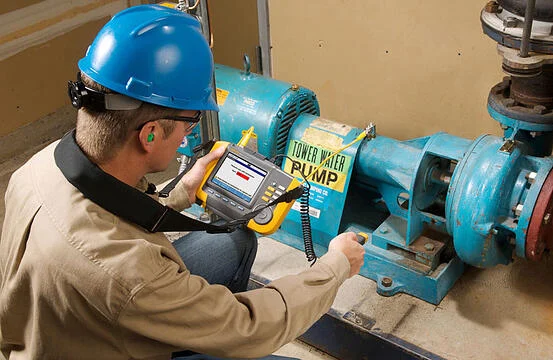
One of the most significant benefits of vibration monitoring in factories is its role in enabling predictive maintenance. Unlike preventive maintenance, which relies on fixed schedules, predictive strategies use real-time data to determine when a machine actually needs attention. This minimizes unnecessary interventions and focuses resources where they are truly needed.
- Reduced Downtime: By identifying potential issues early, factories can plan maintenance activities during scheduled stops, avoiding unexpected breakdowns.
- Lower Maintenance Costs: Targeted repairs and part replacements reduce labor and material expenses.
- Extended Equipment Life: Timely interventions prevent minor faults from causing severe damage, maximizing asset longevity.
For a deeper dive into how vibration analysis supports predictive strategies, consider reading this comprehensive overview of vibration analysis in industrial maintenance.
Enhancing Safety and Compliance Through Condition Monitoring
Safety is a top priority in any industrial environment. Machinery failures can lead to hazardous situations, including fires, chemical leaks, or even injuries. By continuously monitoring vibration levels, factories can detect abnormal conditions that may pose safety risks.
Implementing vibration monitoring also helps facilities comply with industry regulations and standards. Many sectors require regular equipment inspections and documentation of maintenance activities. Automated monitoring systems provide accurate records, supporting compliance efforts and simplifying audits.
Boosting Factory Efficiency and Productivity
Another important aspect of vibration monitoring in manufacturing is its impact on overall efficiency. When machines operate within their optimal parameters, energy consumption is reduced, and output quality is maintained. Vibration data helps operators quickly identify and resolve issues that could affect product consistency or throughput.
In addition, integrating vibration monitoring with industrial IoT maintenance applications enables real-time alerts, remote diagnostics, and data-driven decision-making. This digital transformation empowers factories to respond faster to emerging problems and maintain high levels of productivity.
Applications Across Different Factory Environments
The advantages of vibration monitoring are not limited to one type of industry. From heavy manufacturing to food processing, the technology adapts to various operational needs. For example, vibration analysis for textile machinery helps keep looms running smoothly, while vibration analysis for food processing equipment ensures both safety and uptime in sensitive production lines.
By tailoring vibration monitoring solutions to specific assets and processes, factories can address unique challenges and optimize their maintenance strategies accordingly.
Data Interpretation and Actionable Insights
Collecting vibration data is only the first step. The real value lies in interpreting this information to make informed decisions. Advanced analytics tools can distinguish between normal operational patterns and warning signs of impending failure. Maintenance teams can then prioritize actions based on severity and potential impact.
For those seeking practical advice on analyzing vibration readings, resources like machine vibration data interpretation guides offer step-by-step approaches to turning raw data into actionable insights.
Implementing a Vibration Monitoring Program
Adopting vibration monitoring in a factory setting involves several key steps:
- Assessment: Identify critical machines and determine monitoring requirements based on their function and failure history.
- Sensor Selection: Choose appropriate sensors and data acquisition systems for the targeted equipment.
- Installation: Properly install sensors to ensure accurate readings and minimal interference.
- Data Analysis: Use software tools to process and interpret vibration signals, setting thresholds for alerts.
- Continuous Improvement: Regularly review monitoring results and update maintenance strategies as needed.
Successful implementation requires collaboration between maintenance, engineering, and IT teams to ensure seamless integration and reliable performance.
Challenges and Considerations
While the advantages of vibration monitoring are clear, there are challenges to consider. Initial setup costs, training requirements, and data management can pose hurdles for some organizations. However, the long-term savings and operational improvements typically outweigh these upfront investments.
Choosing the right technology partner and ensuring staff are equipped to interpret vibration data are critical factors for success. Factories should also consider scalability and compatibility with existing systems when selecting monitoring solutions.
Frequently Asked Questions
- What types of machinery benefit most from vibration monitoring?
- Vibration monitoring is especially valuable for rotating equipment such as motors, pumps, fans, compressors, and gearboxes. However, any machine with moving parts can benefit from early fault detection and condition-based maintenance.
- How often should vibration data be collected and analyzed?
- The frequency depends on the criticality of the equipment and operational demands. High-value or mission-critical machines may require continuous monitoring, while less critical assets might be checked weekly or monthly.
- Can vibration monitoring be integrated with other maintenance systems?
- Yes, modern vibration monitoring solutions often integrate with computerized maintenance management systems (CMMS) and industrial IoT platforms. This allows for centralized data analysis, automated alerts, and streamlined maintenance workflows.
In summary, adopting vibration monitoring brings measurable improvements in reliability, safety, and efficiency for factories of all types. By leveraging real-time data and predictive analytics, manufacturers can stay ahead of equipment issues, minimize downtime, and optimize their maintenance investments.