
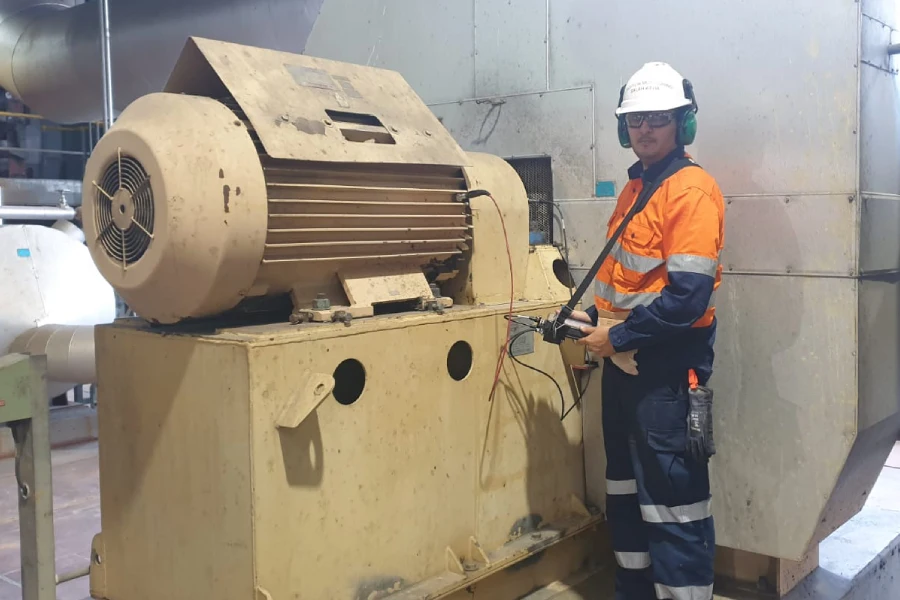
Machine vibration is a common challenge in industrial settings, manufacturing plants, and even small workshops. Unchecked, excessive vibration can lead to equipment damage, reduced efficiency, increased maintenance costs, and even safety hazards. Understanding how to reduce machine vibration is essential for extending machinery lifespan, improving product quality, and ensuring a safe working environment.
This guide explores practical strategies and proven methods to minimize unwanted oscillations in mechanical systems. Whether you manage a power plant, oversee textile machinery, or operate CNC equipment, applying the right techniques can make a significant difference. For those interested in industry-specific insights, our resource on vibration analysis for power plants offers a deeper dive into monitoring critical assets.
Understanding the Causes of Excessive Vibration
Before implementing solutions, it’s important to identify the root causes of vibration in your machinery. Common sources include:
- Imbalance: Uneven distribution of mass in rotating parts.
- Misalignment: Shafts or couplings not properly aligned.
- Wear and Tear: Degraded bearings, gears, or belts.
- Looseness: Unsecured bolts, mounts, or structural components.
- Resonance: When a machine’s natural frequency matches external forces.
Pinpointing the exact cause is the first step in any effective vibration reduction strategy.
Best Practices for Minimizing Machine Oscillation
Once the source is identified, several proven techniques can help reduce vibration and improve equipment reliability.
1. Regular Maintenance and Inspection
Routine checks are vital for early detection of issues. Inspect for loose bolts, worn bearings, and deteriorating components. Replace or repair parts as needed to prevent minor problems from escalating.
2. Precision Balancing of Rotating Parts
Imbalance is a leading cause of vibration. Use dynamic balancing tools to ensure rotors, fans, and shafts have even mass distribution. This reduces oscillation and extends the life of bearings and other moving parts.
3. Correcting Shaft and Coupling Misalignment
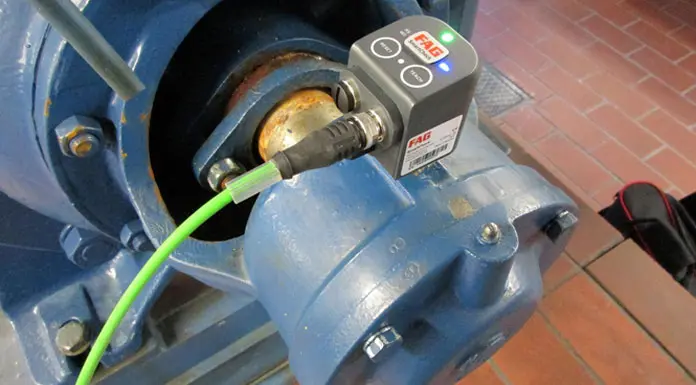
Misaligned shafts or couplings can generate significant vibration and noise. Laser alignment tools or dial indicators help achieve precise alignment, reducing stress on components and minimizing vibration.
4. Securing and Reinforcing Mounts
Loose or inadequate mounts can amplify vibration. Ensure all mounting bolts are tight and consider using vibration-damping pads or isolation mounts to absorb energy and reduce transmission to surrounding structures.
5. Monitoring and Addressing Resonance
Resonance occurs when a machine’s natural frequency matches the frequency of external forces, leading to excessive oscillation. Adjusting the operating speed, adding mass, or changing structural supports can shift the natural frequency and prevent resonance.
Advanced Methods for Vibration Control
For complex or persistent vibration problems, advanced solutions may be necessary. These include:
- Vibration Analysis: Using sensors and software to monitor vibration patterns and diagnose issues. For more on this, see machine vibration data interpretation for practical field guidance.
- Dynamic Dampers: Devices that absorb specific frequencies, reducing amplitude.
- Active Vibration Control: Systems that use sensors and actuators to counteract unwanted motion in real time.
- Structural Modifications: Reinforcing frames or supports to increase rigidity and reduce flexing.
Implementing a Vibration Monitoring Program
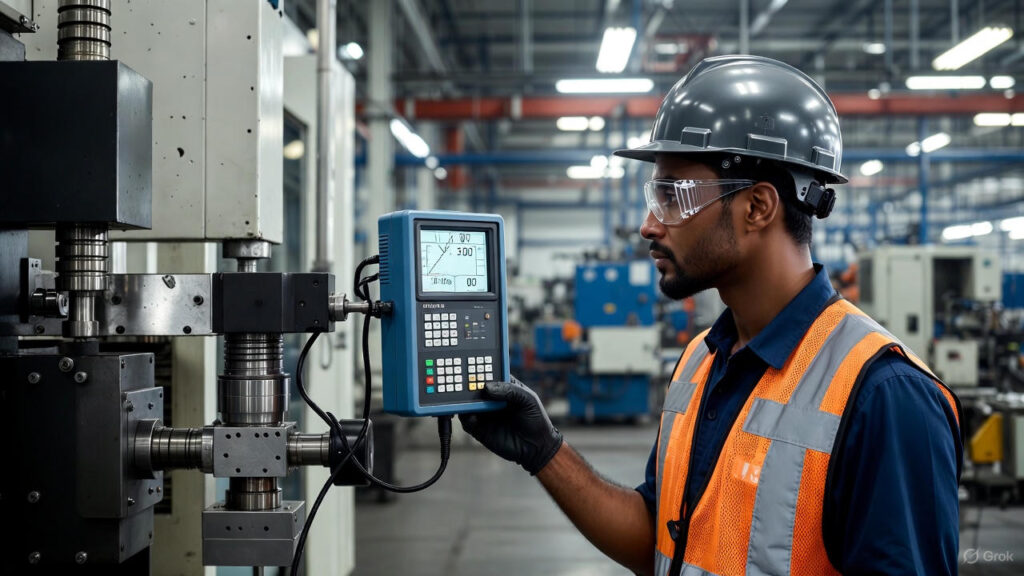
A proactive monitoring program is one of the most effective ways to keep vibration in check. By continuously tracking vibration levels, you can detect changes early and schedule maintenance before failures occur.
Key steps in establishing a monitoring program:
- Install vibration sensors on critical equipment.
- Set baseline vibration levels for normal operation.
- Analyze trends to identify deviations or emerging issues.
- Act promptly on abnormal readings to prevent damage.
Industries such as food processing, textiles, and power generation have seen significant benefits from adopting these practices. For example, vibration analysis for food processing equipment helps maintain safety and uptime, while vibration analysis for textile machinery supports continuous operation of looms and other assets.
Choosing the Right Tools and Technologies
Modern technology offers a range of solutions for detecting and addressing vibration issues. Some of the most effective tools include:
- Handheld Vibration Meters: Quick checks for maintenance teams.
- Online Monitoring Systems: Continuous data collection and alerts for critical assets.
- Laser Alignment Devices: For precise shaft and coupling alignment.
- Software Analytics: Advanced diagnostics and predictive maintenance capabilities.
Integrating these tools into your maintenance workflow can significantly improve your ability to control vibration and prevent unplanned downtime. For a detailed explanation of monitoring techniques, see this comprehensive article on vibration analysis methods.
Benefits of Reducing Equipment Vibration
Applying the right vibration reduction techniques delivers several tangible benefits:
- Longer Equipment Life: Reduced wear and tear on moving parts.
- Lower Maintenance Costs: Fewer breakdowns and emergency repairs.
- Improved Product Quality: Consistent operation leads to better output.
- Enhanced Safety: Minimizes risk of accidents caused by mechanical failures.
- Energy Savings: Machines run more efficiently with less wasted motion.
Incorporating vibration control into your maintenance strategy is a smart investment for any facility.
Frequently Asked Questions
What are the most common signs of excessive machine vibration?
Common indicators include unusual noise, visible shaking, increased heat, premature bearing failure, and abnormal readings from vibration sensors. Regular monitoring helps catch these signs early.
How often should vibration analysis be performed?
The frequency depends on the criticality of the equipment and operating conditions. For high-value or mission-critical assets, continuous or weekly monitoring is recommended. Less critical machines may only require monthly or quarterly checks.
Can vibration be completely eliminated from machinery?
While it’s impossible to eliminate all vibration, it can be reduced to safe and acceptable levels through proper maintenance, alignment, balancing, and the use of damping technologies.
Conclusion
Minimizing unwanted oscillations in machinery is essential for operational efficiency, safety, and cost control. By identifying the root causes, applying proven reduction techniques, and leveraging modern monitoring tools, you can keep your equipment running smoothly and extend its useful life. For those interested in broader maintenance strategies, our article on industrial IoT maintenance applications explores how smart technologies are reshaping factory operations.