
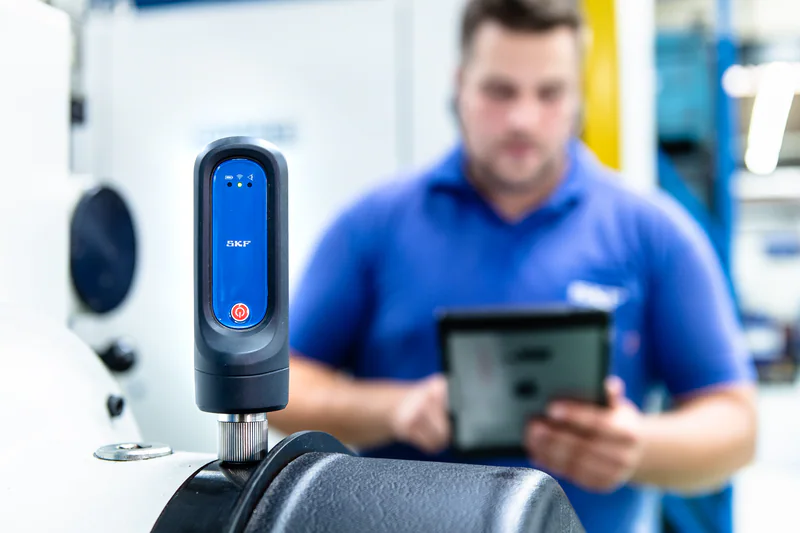
The landscape of industrial maintenance is rapidly evolving, driven by advances in industrial sensor technology trends. As factories and plants strive for higher efficiency, lower downtime, and predictive capabilities, the role of smart sensors has become central. These innovations are not just about collecting more data—they are about transforming raw information into actionable insights that keep equipment running smoothly and extend asset lifespans.
From vibration monitoring to wireless connectivity, the latest developments in sensor technology are reshaping how maintenance teams approach asset management. For those seeking to optimize operations, understanding these trends is essential. Whether you manage a power plant, food processing facility, or textile mill, staying informed about sensor advancements can provide a significant competitive edge.
A deep dive into vibration analysis for power plants highlights how modern sensors are enabling real-time monitoring of critical assets. This approach is not limited to one sector; similar strategies are being adopted across industries to maximize uptime and reduce unexpected failures.
Key Developments in Industrial Sensor Technology
Several major trends are shaping the future of industrial sensors. These include the integration of wireless communication, miniaturization, improved energy efficiency, and advanced analytics. Each of these trends contributes to smarter, more proactive maintenance strategies.
Wireless Connectivity and IoT Integration
One of the most significant changes in recent years is the shift from wired to wireless sensor networks. Wireless sensors are easier to install, require less infrastructure, and can be deployed in hard-to-reach or hazardous locations. This flexibility allows for more comprehensive monitoring of assets across large facilities.
The rise of the Industrial Internet of Things (IIoT) means that sensors are now part of a connected ecosystem. Data from thousands of devices can be aggregated, analyzed, and acted upon in real time. This connectivity supports predictive maintenance, where potential issues are identified before they lead to costly breakdowns.
Miniaturization and Enhanced Durability
Advancements in micro-electromechanical systems (MEMS) have led to smaller, more robust sensors. These compact devices can be embedded directly into machinery or components, providing continuous data without interfering with normal operations. Their durability ensures reliable performance even in harsh industrial environments.

Smarter Maintenance Through Advanced Sensing
The evolution of industrial sensor technology trends is enabling a shift from reactive to predictive and prescriptive maintenance. Instead of waiting for equipment to fail, maintenance teams can now anticipate problems and schedule interventions at the optimal time.
Vibration and Condition Monitoring
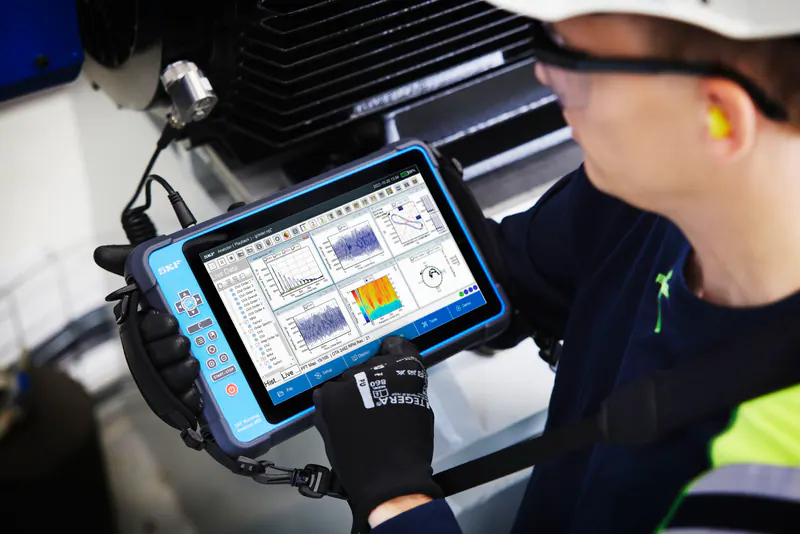
Vibration analysis remains a cornerstone of predictive maintenance. Modern sensors can detect subtle changes in vibration patterns that signal wear, misalignment, or imbalance. By continuously monitoring these parameters, teams can prevent unplanned downtime and extend the life of critical assets.
For a deeper understanding of how this works, explore this comprehensive explanation of vibration analysis principles. The ability to interpret vibration data accurately is crucial for effective maintenance planning.
Industries such as food processing and textiles are also leveraging these advances. For instance, vibration analysis for food processing equipment and vibration analysis for textile machinery are both critical for ensuring safety and maximizing uptime in their respective sectors.
Energy Harvesting and Battery-Free Sensors
A growing trend is the development of sensors that harvest energy from their environment—such as vibration, heat, or light—eliminating the need for batteries. These self-powered devices reduce maintenance requirements and can operate for years without intervention, making them ideal for remote or inaccessible locations.
Edge Computing and Real-Time Analytics
With the sheer volume of data generated by modern sensors, traditional centralized processing can become a bottleneck. Edge computing addresses this by enabling data analysis directly at the sensor or gateway level. This approach reduces latency, improves response times, and allows for immediate action when anomalies are detected.
For those interested in practical applications, the guide on machine vibration data interpretation offers valuable insights into turning sensor data into actionable maintenance decisions.
Benefits of Embracing New Sensor Technologies
The adoption of advanced sensing solutions brings a range of benefits to industrial operations. These include:
- Reduced Downtime: Early detection of equipment issues allows for planned maintenance, minimizing unexpected stoppages.
- Lower Maintenance Costs: Predictive strategies reduce unnecessary part replacements and labor expenses.
- Improved Safety: Real-time monitoring helps identify hazardous conditions before they escalate.
- Asset Longevity: Continuous monitoring and timely interventions extend the useful life of machinery.
- Data-Driven Decision Making: Access to accurate, real-time data enables better planning and resource allocation.
The integration of these technologies is also a key part of broader industrial IoT maintenance applications, which are reshaping how factories operate and compete in a digital world.
Challenges and Considerations
While the benefits are clear, there are challenges to consider when adopting new sensor technologies. These include:
- Data Security: As more devices connect to networks, ensuring the security of sensitive operational data becomes critical.
- Integration Complexity: Merging new sensors with legacy systems can require careful planning and investment.
- Data Overload: Managing and interpreting large volumes of sensor data demands robust analytics and skilled personnel.
- Cost: Upfront investment in new sensors and supporting infrastructure may be significant, but is often offset by long-term savings.
Addressing these challenges requires a strategic approach, including staff training, careful vendor selection, and a clear roadmap for digital transformation.
Future Outlook for Industrial Maintenance
The pace of innovation in industrial sensor technology trends shows no signs of slowing. As artificial intelligence and machine learning become more integrated with sensor platforms, the ability to predict and even prevent failures will continue to improve. Maintenance will become increasingly automated, data-driven, and efficient.
Organizations that invest in these advancements today will be well-positioned to lead in the future, enjoying higher productivity, lower costs, and greater operational resilience.
FAQ
How do industrial sensors support predictive maintenance?
Industrial sensors continuously monitor equipment parameters such as vibration, temperature, and pressure. By analyzing this data, maintenance teams can detect early signs of wear or malfunction, allowing them to schedule repairs before failures occur. This proactive approach reduces downtime and maintenance costs.
What are the main challenges in implementing new sensor technologies?
Key challenges include ensuring data security, integrating sensors with existing systems, managing large volumes of data, and justifying the initial investment. Overcoming these obstacles requires careful planning, staff training, and selecting the right technology partners.
How does wireless sensor technology benefit industrial environments?
Wireless sensors are easier to install and maintain, especially in hard-to-reach or hazardous areas. They enable flexible deployment, support real-time monitoring, and are essential for building scalable Industrial IoT networks that drive smarter maintenance strategies.