
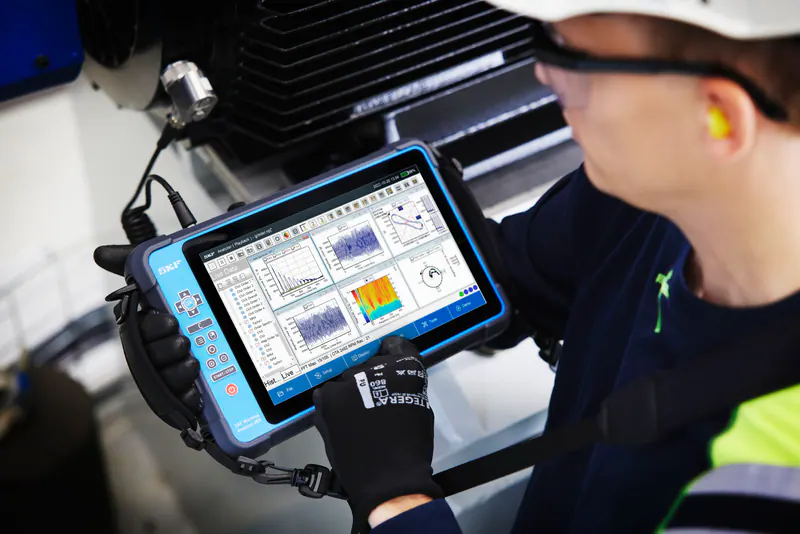
Condition monitoring for manufacturing plants has become an essential practice for organizations aiming to maximize uptime, reduce maintenance costs, and ensure the reliability of critical assets. As industrial operations grow more complex, the ability to detect early signs of equipment failure can make the difference between smooth production and costly downtime. This guide explores the principles, technologies, and best practices that underpin effective monitoring strategies in modern manufacturing environments.
Manufacturers across sectors are increasingly leveraging real-time data and advanced diagnostics to keep their machinery running efficiently. By implementing a robust monitoring program, facilities can transition from reactive to predictive maintenance, reducing unplanned outages and extending the life of valuable equipment. For those interested in specialized applications, such as vibration analysis for power plants, there are tailored solutions that address unique industry challenges.
Understanding the Role of Condition Monitoring in Manufacturing
At its core, condition monitoring for manufacturing plants involves the continuous or periodic assessment of machinery health through data collection and analysis. The primary goal is to detect anomalies or degradation before they escalate into failures. This proactive approach helps manufacturers avoid unexpected breakdowns, optimize maintenance schedules, and improve overall plant performance.
Traditional maintenance strategies, such as run-to-failure or scheduled servicing, often lead to unnecessary costs or missed warning signs. In contrast, monitoring systems provide actionable insights by tracking parameters like vibration, temperature, pressure, and lubrication quality. These measurements allow maintenance teams to intervene only when necessary, targeting resources where they are most needed.
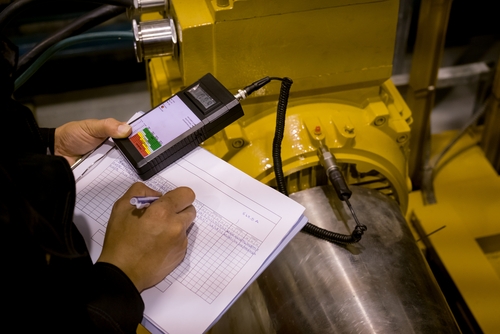
Key Technologies Used in Plant Condition Monitoring
A variety of technologies are available to support monitoring initiatives in manufacturing. The choice depends on the types of assets, operational environment, and specific risks involved. Some of the most widely used methods include:
- Vibration Analysis: Detects imbalances, misalignments, and bearing faults by measuring oscillations in rotating equipment. For a deeper dive, see this comprehensive explanation of vibration analysis.
- Thermography: Uses infrared cameras to identify abnormal heat patterns, which may indicate electrical faults or mechanical wear.
- Ultrasound Monitoring: Captures high-frequency sounds to detect leaks, electrical discharges, or lubrication issues.
- Oil Analysis: Examines lubricant quality and contamination to assess internal wear and predict failures.
- Electrical Testing: Monitors current, voltage, and insulation resistance to ensure the integrity of motors and control systems.
Integrating these technologies into a unified monitoring platform enables comprehensive asset health assessment. Many modern systems use wireless sensors and cloud-based analytics, making it easier to scale and manage across large facilities.
Benefits of Implementing Monitoring Solutions in Manufacturing
The adoption of condition monitoring for manufacturing plants delivers a range of tangible benefits:
- Reduced Downtime: Early detection of faults allows for planned interventions, minimizing unexpected outages.
- Lower Maintenance Costs: Targeted repairs and optimized schedules reduce unnecessary part replacements and labor expenses.
- Extended Equipment Life: Addressing issues before they escalate helps preserve the integrity of critical assets.
- Enhanced Safety: Identifying hazardous conditions, such as overheating or vibration, protects workers and prevents accidents.
- Data-Driven Decision Making: Access to real-time and historical data supports continuous improvement and strategic planning.
These advantages contribute to higher productivity, improved product quality, and a stronger competitive position in the market.

Best Practices for Setting Up a Monitoring Program
To maximize the value of a monitoring initiative, manufacturers should follow a structured approach:
- Asset Criticality Assessment: Identify which machines are most vital to production and prioritize them for monitoring.
- Baseline Data Collection: Record normal operating conditions to establish reference points for future comparisons.
- Sensor Selection and Placement: Choose appropriate sensors and install them at locations where faults are most likely to develop.
- Integration with Maintenance Systems: Link monitoring data with computerized maintenance management systems (CMMS) for streamlined workflows.
- Staff Training: Ensure that maintenance teams understand how to interpret data and respond to alerts effectively. For those interested in practical skills, resources like machine vibration data interpretation can be valuable.
- Continuous Improvement: Regularly review program performance and update strategies based on new insights and evolving technologies.
A well-designed program not only prevents failures but also fosters a culture of reliability and operational excellence.
Challenges and Solutions in Plant Monitoring
While the benefits are clear, implementing a monitoring system in a manufacturing setting can present challenges:
- Data Overload: The sheer volume of sensor data can overwhelm teams. Using analytics and automated alerts helps focus attention on actionable issues.
- Integration Complexity: Connecting legacy equipment with modern monitoring platforms may require custom solutions or phased rollouts.
- Cost Considerations: Initial investments can be significant, but returns are realized through reduced downtime and maintenance savings.
- Change Management: Gaining buy-in from all stakeholders is crucial. Clear communication of benefits and ongoing training can ease the transition.
By addressing these obstacles proactively, manufacturers can ensure a smooth and successful deployment.
Industry Applications and Case Examples
Monitoring solutions are adaptable to a wide range of manufacturing sectors, from automotive and food processing to textiles and mining. For example, textile mills benefit from vibration analysis for textile machinery to keep looms running smoothly, while food processors rely on specialized systems to maintain safety and uptime. Mining operations, with their harsh environments, use vibration analysis for mining equipment to ensure reliability underground.
Each industry faces unique challenges, but the underlying principles of monitoring remain consistent: collect relevant data, analyze trends, and act before problems escalate.
Frequently Asked Questions
What is the main purpose of monitoring equipment in manufacturing plants?
The primary goal is to detect early signs of equipment deterioration or failure, allowing maintenance teams to address issues before they cause unplanned downtime or damage. This proactive approach improves reliability, safety, and cost efficiency.
Which types of equipment benefit most from monitoring?
Rotating machinery such as motors, pumps, compressors, and gearboxes are prime candidates due to their critical role and susceptibility to wear. However, any asset whose failure would disrupt production can benefit from these strategies.
How does monitoring differ from traditional maintenance?
Traditional maintenance often relies on fixed schedules or waiting for breakdowns, while monitoring uses real-time data to assess asset health. This enables targeted interventions, reducing unnecessary maintenance and preventing unexpected failures.