
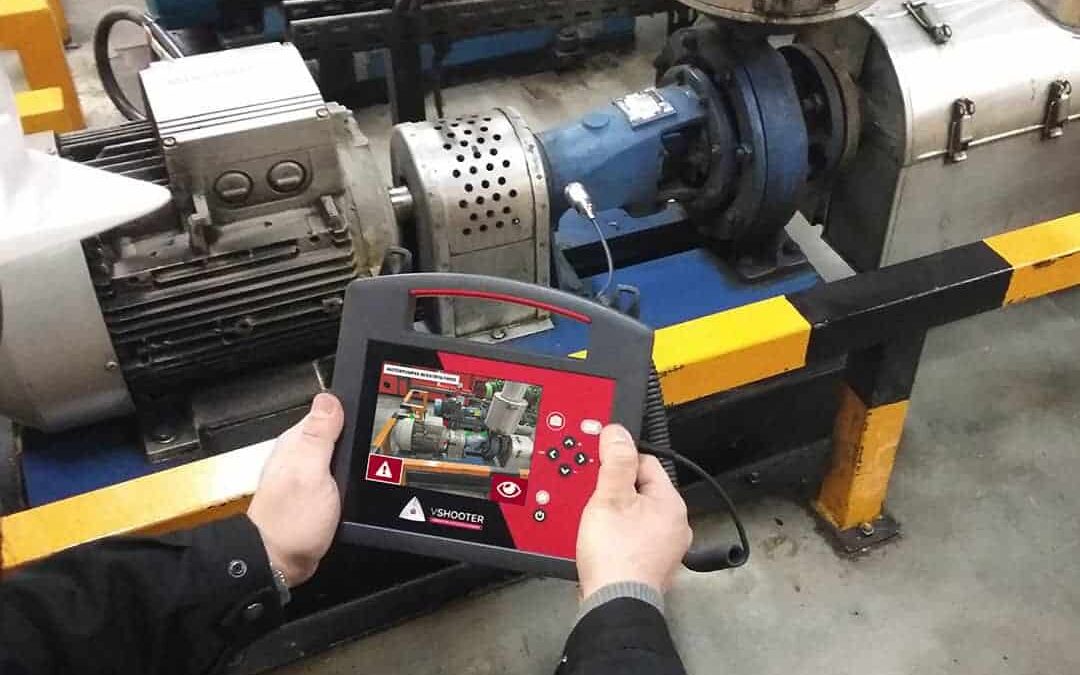
Industrial machinery is the backbone of countless operations, from manufacturing to energy production. Unexpected breakdowns can lead to costly downtime, safety hazards, and expensive repairs. To avoid these issues, organizations are increasingly turning to vibration sensors as a proactive solution. Understanding how vibration sensors detect machine faults before they lead to failures is essential for anyone responsible for maintaining equipment reliability and operational efficiency.
Vibration monitoring is not limited to one industry. Whether you’re interested in vibration analysis for power plants, pharmaceutical plants, mining equipment, or textile machinery, the core principles remain the same: early fault detection through precise measurement and analysis of vibration patterns.
Understanding the Role of Vibration Sensors in Predictive Maintenance
Predictive maintenance strategies rely on continuous monitoring to anticipate problems before they escalate. Vibration sensors are at the heart of these strategies, providing real-time data on machine health. By tracking changes in vibration patterns, these sensors help maintenance teams identify early warning signs of mechanical issues such as misalignment, imbalance, bearing defects, and looseness.
Unlike traditional maintenance, which often reacts to failures after they occur, predictive approaches use sensor data to schedule repairs only when necessary. This minimizes unplanned downtime and extends the lifespan of critical assets.
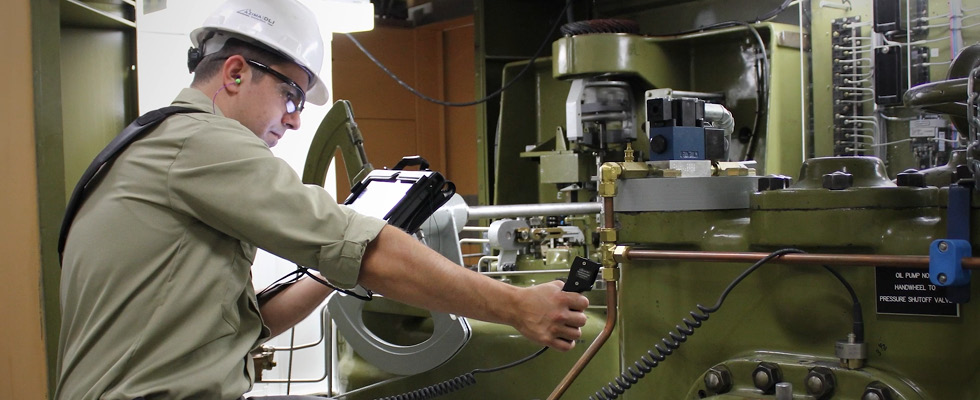
How Vibration Sensors Work: Principles and Technology
At their core, vibration sensors measure the oscillatory motion of a machine or component. The most common types are accelerometers, velocity sensors, and displacement sensors. Each type is suited to different frequency ranges and fault types:
- Accelerometers: Measure acceleration forces, ideal for high-frequency vibration and detecting issues like bearing faults.
- Velocity sensors: Capture the speed of vibration, often used for general machine condition monitoring.
- Displacement sensors: Track the distance a part moves from its resting position, useful for low-frequency faults such as imbalance or misalignment.
When installed on equipment, these sensors convert mechanical vibrations into electrical signals. These signals are then analyzed to detect deviations from normal operating conditions. The data can be processed on-site or sent to cloud-based platforms for advanced analytics and trend monitoring.
Key Faults Detected by Vibration Monitoring
One of the main advantages of using vibration sensors is their ability to identify a wide range of mechanical problems before they result in catastrophic failure. Here are some of the most common faults detected:
- Bearing Wear: As bearings degrade, they produce characteristic vibration frequencies. Early detection prevents costly breakdowns.
- Imbalance: Rotating parts that are not properly balanced cause increased vibration, leading to excessive wear and energy loss.
- Misalignment: Shafts or couplings that are out of alignment generate abnormal vibration signatures, which can be quickly identified.
- Looseness: Loose bolts or components create irregular vibration patterns, signaling the need for tightening or repair.
- Gearbox Faults: Damaged gear teeth or lubrication issues manifest as specific vibration frequencies, allowing for targeted maintenance.
By catching these issues early, organizations can plan repairs during scheduled downtime, reducing the risk of unexpected failures and optimizing maintenance budgets.
Data Analysis: Turning Vibration Signals Into Actionable Insights
Collecting vibration data is only the first step. The real value comes from analyzing this information to uncover patterns and trends. Modern vibration monitoring systems use advanced algorithms and machine learning to interpret sensor data. Key techniques include:
- Frequency Analysis: Identifies the specific frequencies associated with different types of faults.
- Trend Monitoring: Tracks changes in vibration levels over time to predict when a fault is likely to occur.
- Alarm Thresholds: Automatically notifies maintenance teams when vibration exceeds safe limits.
For a deeper dive into these techniques, consider reviewing resources like this explanation of vibration analysis methods, which covers the science behind transforming raw sensor data into practical maintenance actions.
Industry Applications: Where Vibration Monitoring Makes a Difference
The benefits of vibration monitoring extend across a wide range of industries. Here are a few examples where these technologies are making a significant impact:
- Power Generation: Continuous monitoring of turbines and generators helps prevent blackouts and equipment damage. For more details, see our guide on vibration analysis for power plants.
- Pharmaceutical Manufacturing: Ensures compliance and uptime by detecting faults in mixers, pumps, and conveyors. Find out more about vibration analysis for pharmaceutical plants.
- Mining Operations: Enhances reliability of underground equipment, reducing the risk of costly interruptions. Learn about vibration analysis for mining equipment.
- Textile Production: Keeps looms and spinning machines running smoothly. Explore vibration analysis for textile machinery.
- Food Processing: Maintains safety and uptime in critical processing lines. See our overview of vibration analysis for food processing equipment.
These examples highlight the versatility of vibration monitoring and its role in supporting asset reliability and operational excellence.
Implementing Vibration Sensors: Best Practices for Success
To maximize the benefits of vibration monitoring, organizations should follow these best practices:
- Strategic Sensor Placement: Install sensors on critical assets and known failure points, such as bearings, motors, and gearboxes.
- Regular Calibration: Ensure sensors are calibrated and maintained to provide accurate data.
- Integration With Maintenance Systems: Connect vibration data to computerized maintenance management systems (CMMS) for streamlined workflows.
- Staff Training: Equip maintenance teams with the knowledge to interpret vibration data and take timely action.
- Continuous Improvement: Use historical data to refine alarm thresholds and optimize maintenance schedules.
Adopting these strategies helps organizations move from reactive to proactive maintenance, reducing costs and improving equipment reliability.
FAQ: Vibration Sensors and Early Fault Detection
What types of faults can vibration sensors detect?
Vibration sensors are capable of identifying a wide range of mechanical issues, including bearing defects, misalignment, imbalance, looseness, and gearbox faults. By analyzing vibration patterns, these sensors can pinpoint problems before they escalate into major failures.
How often should vibration data be collected?
The frequency of data collection depends on the criticality of the equipment and operating conditions. For high-value or mission-critical assets, continuous monitoring is recommended. Less critical machinery may only require periodic checks, such as weekly or monthly measurements.
What are the main benefits of using vibration monitoring in maintenance?
Key advantages include early detection of faults, reduced unplanned downtime, lower maintenance costs, improved safety, and extended equipment lifespan. Vibration monitoring also supports data-driven decision-making, allowing organizations to optimize maintenance schedules and resource allocation.