
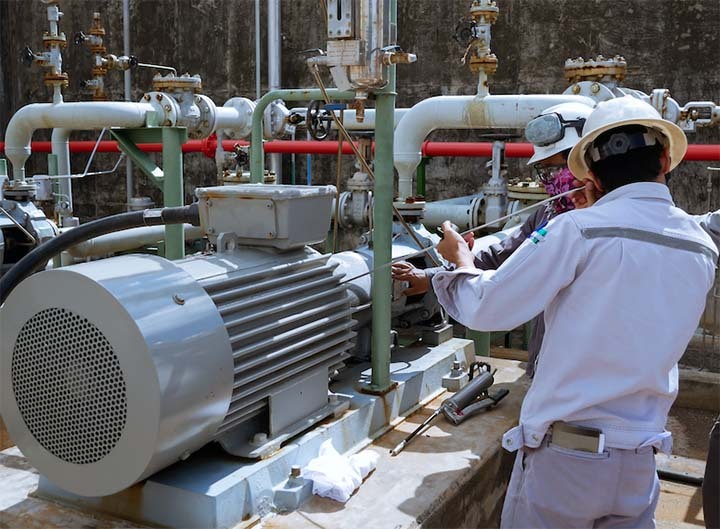
In industries where machinery reliability is critical, understanding and monitoring vibration is essential for minimizing downtime and preventing costly failures. Portable vibration analyzers explained in this guide are compact, handheld devices designed to measure, analyze, and diagnose vibration levels in rotating equipment. These tools have become indispensable for maintenance teams, reliability engineers, and plant managers seeking to optimize asset performance and extend equipment life.
By offering real-time insights into machine health, portable analyzers enable proactive maintenance strategies. Their flexibility and ease of use make them suitable for a wide range of sectors, from manufacturing and energy to pharmaceuticals and mining. For those interested in specialized applications, such as vibration analysis for power plants, these devices offer tailored solutions for monitoring critical assets.
Understanding the Role of Portable Vibration Analyzers
The primary function of a portable vibration analyzer is to detect and interpret vibration signals from machinery. These signals often reveal early signs of mechanical issues such as misalignment, imbalance, bearing faults, or looseness. By capturing and analyzing these patterns, users can identify problems before they escalate, reducing the risk of unplanned outages.
Unlike fixed monitoring systems, portable analyzers offer the advantage of mobility. Technicians can quickly assess multiple machines across a facility, making them ideal for route-based maintenance programs or troubleshooting specific issues on demand.
Key Features of Modern Vibration Analysis Tools
Today’s portable vibration analyzers come equipped with a range of features that enhance their usability and diagnostic capabilities. Here are some of the most important attributes to consider:
- High-Resolution Sensors: Advanced accelerometers and velocity sensors capture detailed vibration data across a wide frequency range.
- Real-Time Data Processing: Onboard processors enable immediate analysis and display of results, allowing for quick decision-making in the field.
- Color Displays and Intuitive Interfaces: Modern devices feature user-friendly touchscreens and graphical displays, simplifying navigation and interpretation.
- Data Storage and Transfer: Built-in memory and wireless connectivity options (such as Bluetooth or Wi-Fi) facilitate data logging and sharing with maintenance management systems.
- Diagnostic Algorithms: Many analyzers include automated fault detection and severity assessment, reducing the need for expert interpretation.
- Rugged Construction: Designed for industrial environments, these tools are often shock-resistant and weatherproof, ensuring reliability in harsh conditions.
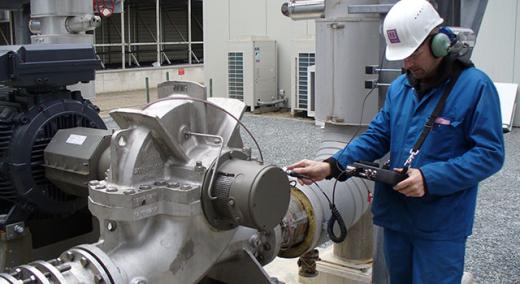
How Portable Vibration Analyzers Explained Maintenance Success
The adoption of portable vibration analyzers has transformed maintenance practices across industries. Their ability to provide actionable insights on the spot supports a shift from reactive to predictive maintenance. This transition helps organizations avoid catastrophic failures and optimize maintenance schedules.
For example, in the pharmaceutical sector, compliance and uptime are critical. Portable analyzers allow for quick checks of sensitive equipment, ensuring regulatory standards are met and production remains uninterrupted. Similarly, in mining and heavy industry, these devices help monitor large rotating assets, where unexpected breakdowns can lead to significant safety and financial risks.
Common Use Cases Across Industries
The versatility of portable vibration analyzers makes them suitable for a variety of applications. Some of the most common use cases include:
- Routine Condition Monitoring: Maintenance teams use these devices to collect vibration data on a scheduled basis, tracking trends and identifying emerging issues.
- Troubleshooting and Diagnostics: When abnormal noise or performance is detected, a portable analyzer can quickly pinpoint the source of the problem.
- Commissioning and Acceptance Testing: New or overhauled equipment is tested to ensure it meets vibration standards before being placed into service.
- Balancing and Alignment Verification: Technicians use vibration data to confirm that rotating components are properly balanced and aligned, reducing wear and tear.
- Compliance Audits: In regulated industries, portable analyzers help document machine health and demonstrate adherence to safety or quality standards.

Industry-Specific Applications and Benefits
While the core principles of vibration analysis remain consistent, each industry has unique requirements and challenges. Here are a few examples:
- Power Generation: In power plants, monitoring turbines, pumps, and generators is vital for avoiding outages. Learn more about vibration analysis for power plants and how portable tools support reliability.
- Mining: Underground and surface mining operations rely on heavy equipment. Portable analyzers help detect faults in crushers, conveyors, and ventilation fans, supporting vibration analysis for mining equipment and improving safety.
- Textile Manufacturing: Keeping looms and spinning machines running smoothly is essential for productivity. Portable devices are used for vibration analysis for textile machinery to minimize downtime.
- Food Processing: Equipment in food plants must meet strict hygiene and uptime requirements. Portable analyzers support vibration analysis for food processing equipment to ensure safety and efficiency.
Integrating Portable Vibration Analysis with Predictive Maintenance
The integration of portable vibration analyzers into predictive maintenance programs is a growing trend. By combining periodic measurements with advanced analytics, organizations can forecast equipment failures and schedule interventions at the optimal time.
Many modern analyzers can connect to cloud-based platforms, enabling remote monitoring and collaboration among maintenance teams. This digital transformation not only improves accuracy but also streamlines reporting and compliance documentation.
For a deeper understanding of the science and technology behind vibration analysis, resources like IBM’s overview of vibration analysis provide valuable background on methodologies and industry applications.
Choosing the Right Portable Vibration Analyzer
Selecting the best analyzer depends on several factors, including the types of machines to be monitored, required measurement accuracy, and the working environment. Consider the following when evaluating options:
- Measurement Range: Ensure the device covers the frequency and amplitude ranges relevant to your equipment.
- Ease of Use: Look for intuitive interfaces and clear reporting features, especially if multiple team members will use the tool.
- Data Integration: Compatibility with existing maintenance management systems can streamline workflows.
- Durability: Industrial-grade construction is important for field use.
- Support and Training: Access to technical support and training resources can maximize the value of your investment.
Frequently Asked Questions
What is the main advantage of using portable vibration analyzers?
The primary benefit is the ability to quickly assess the condition of multiple machines without the need for permanent installation. This flexibility enables maintenance teams to identify issues early, reduce downtime, and optimize maintenance schedules.
How do portable analyzers differ from fixed vibration monitoring systems?
Portable analyzers are handheld and can be moved from one machine to another, making them ideal for route-based inspections and troubleshooting. Fixed systems, on the other hand, provide continuous monitoring of critical assets but are limited to specific locations.
Can portable vibration analysis be integrated with predictive maintenance programs?
Yes, many organizations use data from portable analyzers to inform predictive maintenance strategies. By tracking vibration trends over time and leveraging advanced analytics, teams can forecast failures and plan interventions more effectively.