

Maximizing uptime is a top priority for any manufacturing operation. Unplanned downtime, equipment failures, and inefficient maintenance routines can lead to significant losses in productivity and revenue. Implementing robust factory asset reliability strategies is essential for keeping critical machinery running smoothly, reducing costs, and ensuring consistent output. This guide explores proven approaches to enhance equipment dependability, from predictive maintenance to data-driven monitoring, and highlights practical steps for building a culture of reliability in industrial environments.
For those interested in industry-specific insights, the importance of vibration analysis for power plants demonstrates how targeted monitoring can prevent failures in high-stakes settings. Similar principles apply across sectors, making reliability a universal concern for factory managers and engineers alike.
Understanding the Importance of Asset Reliability
Reliability in manufacturing is about more than just preventing breakdowns. It encompasses the ability of assets to perform their intended function consistently over time, with minimal interruptions. When factories adopt comprehensive asset reliability strategies, they benefit from:
- Reduced unplanned downtime and emergency repairs
- Lower maintenance costs through proactive planning
- Improved safety for workers and equipment
- Increased production efficiency and throughput
- Longer asset life cycles and better return on investment
A focus on reliability also supports compliance with industry standards and customer requirements, which is crucial for maintaining competitiveness in today’s market.
Key Components of Effective Reliability Programs
Developing a successful reliability program involves a combination of technology, processes, and organizational culture. Here are the foundational elements that drive results:
Predictive Maintenance: The Backbone of Modern Reliability
Traditional maintenance approaches, such as reactive (fixing after failure) or preventive (scheduled servicing), often fall short in optimizing uptime. Predictive maintenance leverages real-time data and analytics to anticipate equipment issues before they cause disruptions. By monitoring parameters like vibration, temperature, and oil quality, teams can identify early warning signs and schedule interventions only when necessary.
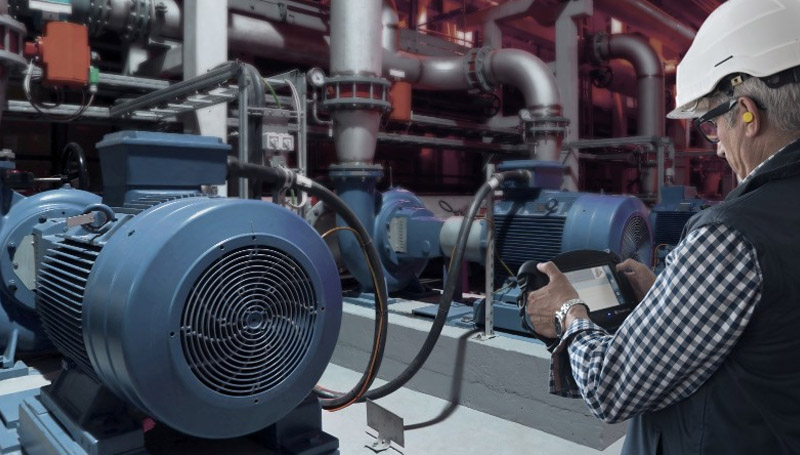
For example, vibration analysis for pharmaceutical plants is a proven method for detecting mechanical issues in sensitive production environments, helping to maintain both compliance and uptime.
Condition Monitoring and Data-Driven Insights
Condition monitoring is a cornerstone of factory asset reliability strategies. It involves the continuous or periodic measurement of asset health indicators, such as:
- Vibration levels
- Temperature fluctuations
- Lubrication and oil analysis
- Electrical current and voltage
By collecting and analyzing this data, maintenance teams can make informed decisions about when to intervene, reducing unnecessary work and avoiding catastrophic failures. Advanced systems may use machine learning to detect subtle patterns that human operators might miss.
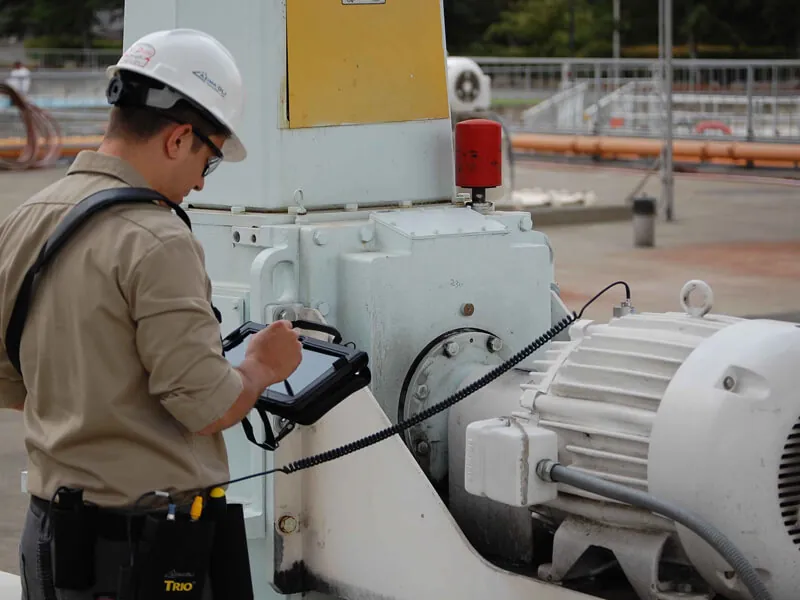
For more on how these techniques apply to specific industries, see resources like vibration analysis for food processing equipment and vibration analysis for mining equipment.
Root Cause Analysis and Continuous Improvement
When failures do occur, it’s essential to go beyond quick fixes. Root cause analysis (RCA) helps teams identify the underlying reasons for breakdowns, whether they stem from design flaws, operational errors, or environmental factors. By addressing these root causes, factories can implement lasting solutions and prevent recurrence.
Continuous improvement is also vital. Regularly reviewing maintenance outcomes, updating procedures, and investing in staff training ensures that reliability practices evolve alongside technology and operational needs.
Implementing Reliability Strategies on the Factory Floor
Putting theory into practice requires a structured approach. Here are practical steps for deploying reliability initiatives in manufacturing environments:
- Assess current asset performance: Start by gathering baseline data on equipment failures, downtime, and maintenance costs. This helps identify critical assets and prioritize efforts.
- Choose the right monitoring tools: Select technologies that align with your assets’ needs, such as vibration sensors, thermal cameras, or oil analysis kits. For more on this, explore vibration analysis for textile machinery to see how monitoring keeps looms and spinning machines running efficiently.
- Develop clear maintenance procedures: Document step-by-step processes for inspections, data collection, and response actions. Standardized procedures reduce variability and ensure consistency.
- Train staff and foster a reliability culture: Engage operators, technicians, and managers in ongoing education. Encourage proactive reporting of issues and reward contributions to reliability goals.
- Leverage analytics for decision-making: Use dashboards and reporting tools to track key performance indicators (KPIs) like mean time between failures (MTBF) and mean time to repair (MTTR). Adjust strategies based on real-world results.
Leveraging Advanced Technologies for Asset Reliability
The rise of Industry 4.0 has introduced new possibilities for enhancing reliability. Factories are increasingly adopting Internet of Things (IoT) sensors, cloud-based analytics, and artificial intelligence to automate monitoring and gain deeper insights into asset health.
For example, integrating IoT-enabled vibration sensors allows for real-time tracking of rotating equipment, alerting teams instantly to anomalies. Cloud platforms can aggregate data from multiple sites, enabling benchmarking and predictive modeling at scale.
For a deeper dive into the technical side of monitoring, the article on vibration analysis techniques and benefits provides an excellent overview of how these methods contribute to reliability in industrial settings.
Measuring Success: KPIs for Reliability Initiatives
Tracking the effectiveness of your factory asset reliability strategies is crucial for continuous improvement. Key performance indicators to monitor include:
- Mean Time Between Failures (MTBF): Measures the average time between equipment breakdowns, indicating reliability improvements.
- Mean Time to Repair (MTTR): Tracks how quickly assets are restored after a failure, reflecting maintenance efficiency.
- Planned vs. Unplanned Maintenance Ratio: A higher proportion of planned work suggests proactive management.
- Overall Equipment Effectiveness (OEE): Combines availability, performance, and quality metrics to assess asset productivity.
Regularly reviewing these KPIs helps identify trends, justify investments, and demonstrate the value of reliability programs to stakeholders.
Building a Sustainable Reliability Culture
Technology and procedures alone are not enough to achieve lasting results. A sustainable reliability culture requires commitment from all levels of the organization. Leadership must set clear expectations, allocate resources, and celebrate successes. Operators and maintenance staff should be empowered to take ownership of asset care, report issues promptly, and participate in problem-solving.
Open communication, cross-functional collaboration, and ongoing training are key ingredients for embedding reliability into the fabric of factory operations. Over time, this cultural shift leads to safer workplaces, higher morale, and a stronger bottom line.
Frequently Asked Questions
- What is the difference between preventive and predictive maintenance?
- Preventive maintenance involves scheduled servicing of equipment at regular intervals, regardless of its current condition. Predictive maintenance, on the other hand, uses real-time data and analytics to determine when maintenance is actually needed, allowing for more targeted and cost-effective interventions.
- How does vibration analysis improve asset reliability?
- Vibration analysis detects early signs of mechanical issues, such as imbalance, misalignment, or bearing wear. By identifying these problems before they lead to failure, maintenance teams can address them proactively, reducing downtime and extending equipment life.
- What are the main benefits of implementing asset reliability strategies in factories?
- The primary benefits include reduced unplanned downtime, lower maintenance costs, improved safety, increased production efficiency, and longer asset lifespans. These advantages contribute to greater profitability and a more competitive manufacturing operation.