
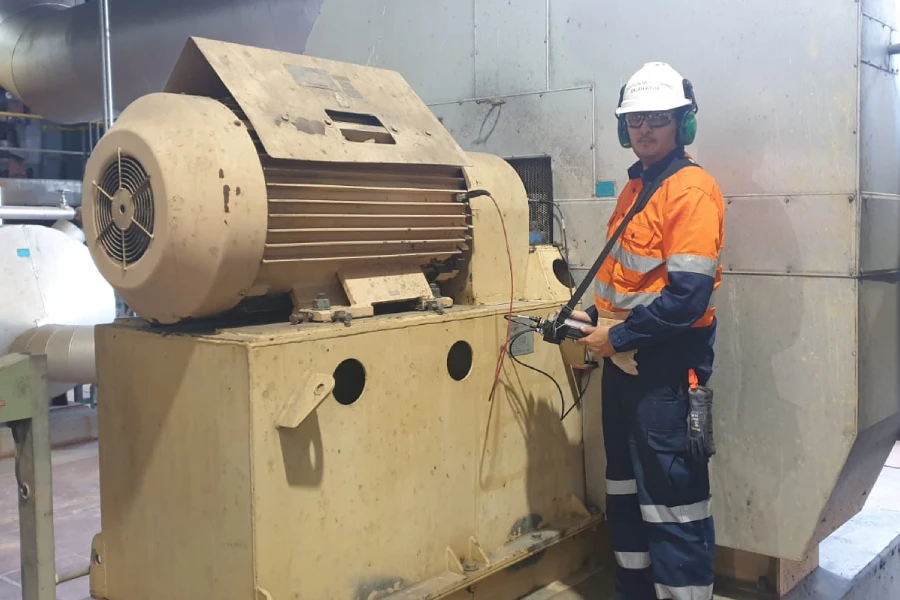
In today’s competitive industrial landscape, maximizing equipment uptime and minimizing unexpected failures are essential for operational success. A comprehensive approach to reliability maintenance ensures that assets perform at their best, reduces costly downtime, and extends the life of critical machinery. This guide explores the core principles, proven strategies, and practical steps involved in building a robust maintenance program for industrial environments.
Whether you manage a manufacturing plant, oversee utilities, or support process industries, understanding the essentials of reliability-centered maintenance can transform your facility’s performance. By integrating predictive techniques, data-driven decision-making, and a culture of continuous improvement, organizations can achieve sustainable results.
For industry-specific insights, you may want to explore vibration analysis for power plants, which highlights how targeted monitoring supports reliability in energy production environments.
Core Principles of Reliability Maintenance
A successful maintenance program is built on several foundational concepts. These principles guide decision-making and shape the strategies used to keep assets running efficiently. Here are the key elements:
- Proactive Approach: Shifting from reactive fixes to planned, preventive, and predictive actions reduces unplanned failures and maintenance costs.
- Asset Criticality: Not all equipment is equally important. Prioritizing assets based on their impact on safety, production, and cost ensures resources are allocated effectively.
- Failure Analysis: Understanding why equipment fails—through root cause analysis and historical data—enables targeted interventions that address underlying issues, not just symptoms.
- Continuous Improvement: Regularly reviewing performance metrics and incorporating feedback helps refine maintenance processes and adapt to changing operational needs.
Developing an Effective Industrial Reliability Maintenance Strategy
Building a sustainable maintenance program involves more than scheduling routine checks. It requires a strategic blend of methodologies, technologies, and organizational commitment. Let’s break down the essential steps:
1. Assessing Current Maintenance Practices
Begin by evaluating your facility’s existing maintenance activities. Are most repairs reactive, or is there a structured plan for preventive and predictive tasks? An honest assessment reveals gaps and opportunities for improvement.
2. Setting Clear Objectives
Define what success looks like for your organization. Common goals include reducing downtime, lowering maintenance costs, improving safety, and increasing asset longevity. These objectives should be specific, measurable, and aligned with business priorities.
3. Implementing Preventive and Predictive Maintenance
Preventive maintenance involves scheduled inspections, lubrication, and part replacements based on manufacturer recommendations or historical data. Predictive maintenance, on the other hand, uses real-time monitoring—such as vibration analysis, thermography, and oil analysis—to detect early signs of wear or failure.
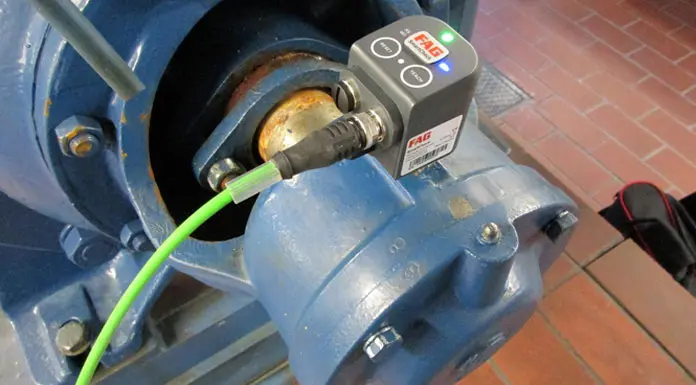
For example, vibration analysis for mining equipment demonstrates how predictive techniques can be tailored to specific industries with unique reliability challenges.
4. Leveraging Technology and Data
Modern maintenance programs rely on a combination of sensors, software, and analytics. Condition monitoring systems collect data on equipment health, enabling maintenance teams to act before failures occur. Computerized Maintenance Management Systems (CMMS) help track work orders, schedule tasks, and analyze trends for continuous improvement.
For a deeper dive into how vibration monitoring supports reliability, see this comprehensive article on vibration analysis techniques.
5. Training and Culture
Even the best strategies can falter without skilled personnel and a culture that values reliability. Invest in training for maintenance staff, operators, and engineers. Encourage cross-functional collaboration and empower teams to identify improvement opportunities.
Key Components of a Robust Maintenance Program
A well-designed reliability program integrates several core components, each contributing to overall asset performance and risk reduction.
- Asset Register: Maintain an up-to-date inventory of all critical equipment, including specifications, maintenance history, and risk profiles.
- Maintenance Planning: Develop detailed schedules for inspections, lubrication, calibration, and overhauls based on asset criticality and failure modes.
- Condition Monitoring: Use technologies like vibration, temperature, and oil analysis to identify early warning signs of deterioration.
- Root Cause Analysis: Investigate failures to determine underlying causes and implement corrective actions to prevent recurrence.
- Performance Metrics: Track key indicators such as Mean Time Between Failures (MTBF), Mean Time To Repair (MTTR), and overall equipment effectiveness (OEE).
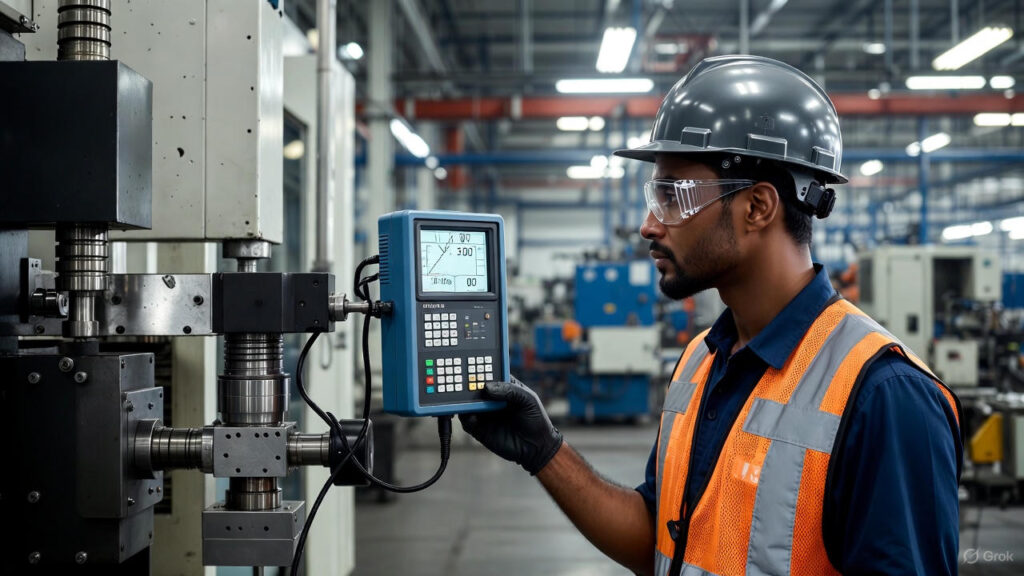
Industry-specific solutions, such as vibration analysis for textile machinery, illustrate how targeted monitoring can keep production lines running smoothly and prevent costly stoppages.
Benefits of a Reliability-Focused Maintenance Approach
Adopting a reliability-centered mindset delivers measurable benefits across operations:
- Reduced Downtime: Early detection and planned interventions minimize unplanned outages.
- Lower Maintenance Costs: Fewer emergency repairs and optimized spare parts management lead to cost savings.
- Improved Safety: Proactive maintenance reduces the risk of accidents caused by equipment failure.
- Extended Asset Life: Consistent care and timely repairs help assets reach or exceed their expected lifespan.
- Regulatory Compliance: Documented maintenance activities support compliance with industry standards and audits.
Common Challenges and How to Overcome Them
Implementing a reliability-focused program is not without obstacles. Here are some typical challenges and practical solutions:
- Resource Constraints: Prioritize high-impact assets and gradually expand the program as resources allow.
- Data Overload: Focus on actionable insights rather than collecting excessive data. Use dashboards and alerts to highlight critical trends.
- Change Management: Engage stakeholders early, communicate benefits clearly, and provide ongoing training to build buy-in.
- Integration with Operations: Foster collaboration between maintenance, operations, and engineering to align goals and share knowledge.
For sectors like food processing, specialized monitoring—such as vibration analysis for food processing equipment—addresses both uptime and safety requirements, demonstrating the adaptability of reliability strategies.
Frequently Asked Questions
What is the difference between preventive and predictive maintenance?
Preventive maintenance involves scheduled tasks based on time or usage intervals, such as inspections or part replacements. Predictive maintenance uses real-time data from sensors and monitoring tools to identify early signs of wear or failure, allowing maintenance to be performed only when needed.
How can I prioritize assets for reliability maintenance?
Start by assessing the criticality of each asset based on its impact on production, safety, and cost. Focus resources on equipment whose failure would cause the most disruption or risk, then expand to less critical assets as your program matures.
What technologies are essential for a modern reliability maintenance program?
Key technologies include condition monitoring tools (such as vibration and temperature sensors), computerized maintenance management systems (CMMS), and analytics platforms that help interpret data and support decision-making.
Conclusion
A well-structured maintenance strategy is fundamental to industrial success. By embracing proactive principles, leveraging technology, and fostering a culture of continuous improvement, organizations can achieve higher reliability, lower costs, and safer operations. Tailoring these approaches to your industry and facility will ensure long-term benefits and a competitive edge.