

Conveyor systems are the backbone of countless industries, moving materials efficiently across manufacturing, mining, food processing, and logistics facilities. When these systems experience unexpected downtime, the impact can ripple through production schedules, increase maintenance costs, and even compromise safety. Vibration analysis for conveyors has become an essential tool for maintenance teams aiming to prevent failures, extend equipment life, and ensure continuous operation.
By monitoring and interpreting vibration data, plant managers and reliability engineers can detect early signs of mechanical issues—such as misalignment, imbalance, or bearing wear—before they escalate into costly breakdowns. This proactive approach not only minimizes unplanned outages but also supports a more strategic, data-driven maintenance program.
For readers interested in how these principles apply to other sectors, you may also find value in exploring vibration analysis for mining equipment, which covers reliability strategies for underground machinery.
Understanding the Role of Vibration Analysis in Conveyor Maintenance
Modern conveyor systems are complex assemblies of motors, gearboxes, pulleys, idlers, and belts. Each of these components can develop faults over time, often signaled by subtle changes in vibration patterns. Vibration analysis for conveyors involves using sensors and data collection devices to measure these patterns and identify anomalies that indicate developing problems.
The process typically includes:
- Baseline measurement: Establishing normal vibration levels for each conveyor component.
- Routine monitoring: Regularly capturing vibration data to spot deviations from the baseline.
- Data analysis: Using software or expert interpretation to diagnose the source and severity of any detected issues.
- Actionable insights: Translating findings into maintenance actions, such as lubrication, alignment, or part replacement.

Key Benefits of Vibration Monitoring for Conveyor Systems
Implementing a structured vibration monitoring program delivers several tangible benefits for facilities that rely on conveyor systems:
- Early fault detection: Identifies issues like misaligned pulleys, worn bearings, or loose fasteners before they cause major failures.
- Reduced unplanned downtime: Enables maintenance teams to schedule repairs during planned outages, minimizing disruption to production.
- Extended equipment lifespan: Prevents minor problems from escalating, reducing the frequency of major repairs and replacements.
- Improved safety: Detects hazardous conditions, such as excessive vibration that could lead to structural failures or belt tracking issues.
- Optimized maintenance costs: Shifts maintenance from a reactive to a predictive model, focusing resources where they are needed most.
For industries with strict compliance requirements, such as pharmaceuticals, similar strategies are discussed in vibration analysis for pharmaceutical plants, highlighting the importance of uptime and regulatory standards.
Common Conveyor Problems Identified Through Vibration Analysis
Conveyor systems are subject to a range of mechanical and operational stresses. Through vibration analysis for conveyors, maintenance teams can pinpoint specific issues, including:
- Bearing defects: Increased vibration at certain frequencies often signals bearing wear or failure, allowing for timely replacement.
- Gearbox faults: Abnormal vibration signatures can reveal gear tooth damage, misalignment, or lubrication problems.
- Imbalance and misalignment: Unbalanced pulleys or misaligned shafts produce distinctive vibration patterns, which can be corrected before causing further damage.
- Loose components: Fasteners, couplings, or supports that have worked loose can be detected by sudden changes in vibration amplitude.
- Belt tracking issues: Irregular vibration may indicate that a belt is not running true, risking material spillage or belt damage.
Addressing these problems early helps prevent secondary failures and reduces the risk of extended downtime.
How Vibration Data Is Collected and Interpreted
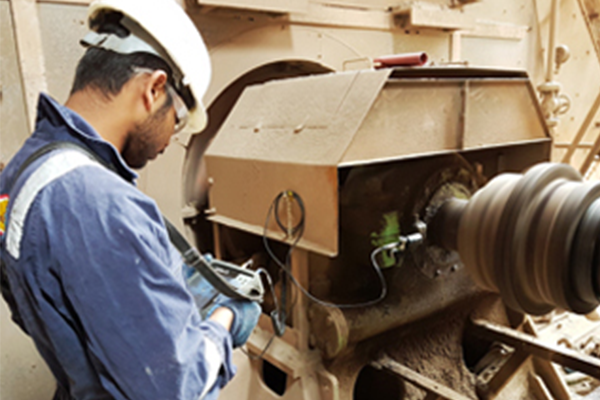
The effectiveness of vibration monitoring depends on accurate data collection and skilled interpretation. Here’s how the process typically unfolds:
- Sensor placement: Accelerometers or velocity sensors are mounted on key points—such as motor housings, gearboxes, and bearing blocks—to capture vibration signals.
- Data acquisition: Portable data collectors or permanent online monitoring systems record vibration levels at regular intervals.
- Signal analysis: Specialized software analyzes the frequency, amplitude, and phase of the vibration signals, comparing them to baseline values and known fault signatures.
- Reporting and action: The results are compiled into reports, highlighting any deviations and recommending corrective actions.
Some facilities use advanced condition monitoring systems that integrate vibration data with other parameters, such as temperature and speed, for a comprehensive view of conveyor health.
Best Practices for Implementing a Conveyor Vibration Monitoring Program
To maximize the value of vibration analysis, consider these best practices:
- Establish clear baselines: Document normal vibration levels for each conveyor and component under typical operating conditions.
- Schedule regular monitoring: Set up a routine for data collection—monthly, weekly, or even continuously, depending on criticality.
- Train personnel: Ensure maintenance staff are trained to install sensors correctly and interpret basic vibration data.
- Leverage expert analysis: For complex issues, consult with vibration specialists or use advanced diagnostic software.
- Integrate with maintenance planning: Use vibration findings to inform preventive maintenance schedules and spare parts inventory.
For a broader perspective on condition monitoring, you can review this comprehensive overview of vibration analysis in industrial maintenance, which covers principles applicable to a variety of rotating equipment.
Industry Applications and Case Studies
Vibration monitoring is widely adopted across sectors that depend on conveyor systems:
- Mining and aggregate: Detects faults in long conveyor runs, reducing the risk of catastrophic belt failures.
- Food processing: Ensures hygienic operation and minimizes contamination risks by catching mechanical faults early. For more, see vibration analysis for food processing equipment.
- Textile manufacturing: Keeps looms and conveyorized systems running smoothly, as discussed in vibration analysis for textile machinery.
- Power generation: Monitors conveyors feeding fuel to boilers, as detailed in vibration analysis for power plants.
In each case, the ability to detect and address issues before they cause downtime is a key driver of operational efficiency and cost savings.
Frequently Asked Questions
What types of faults can vibration analysis detect in conveyor systems?
Vibration monitoring can reveal a range of issues, including bearing wear, gearbox defects, misalignment, imbalance, and loose components. By analyzing vibration signatures, maintenance teams can pinpoint the source and severity of these problems before they lead to equipment failure.
How often should vibration data be collected from conveyors?
The ideal frequency depends on the criticality of the conveyor and operating conditions. For essential systems, continuous or weekly monitoring is recommended. Less critical conveyors may be monitored monthly. Establishing a routine schedule helps ensure early detection of developing faults.
Is vibration analysis suitable for all types of conveyors?
Yes, vibration monitoring can be applied to belt, roller, screw, and chain conveyors. The key is to select appropriate sensor locations and tailor the monitoring program to the specific design and operational demands of each system.
Conclusion
Maintaining reliable conveyor operation is vital for productivity and safety in many industries. By adopting vibration analysis for conveyors, organizations can shift from reactive to predictive maintenance, catching problems early and keeping production lines running efficiently. Integrating vibration data into maintenance planning not only reduces downtime and costs but also supports a culture of continuous improvement and operational excellence.