
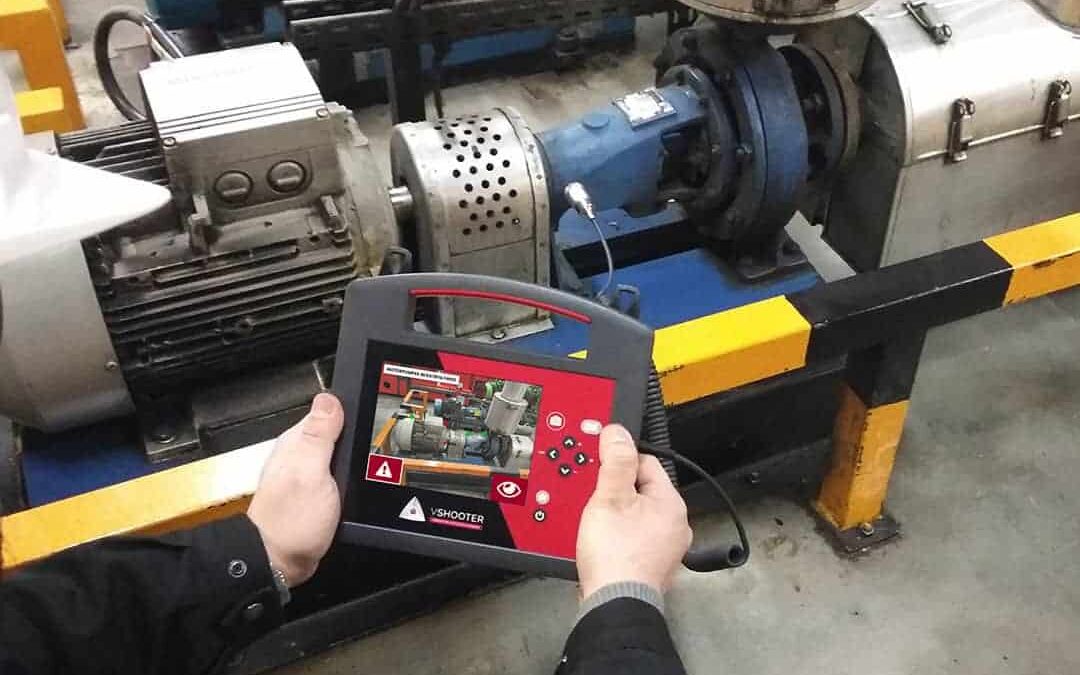
Maintenance strategies are critical for ensuring the reliability, safety, and efficiency of industrial assets. Two of the most widely discussed approaches are preventive and predictive maintenance. Understanding the distinctions between these methods is essential for organizations aiming to optimize equipment uptime, control costs, and minimize unplanned failures. This guide offers a comprehensive preventive vs predictive maintenance comparison, highlighting their principles, benefits, challenges, and best-fit scenarios.
For industries where equipment reliability is paramount, such as power generation, advanced techniques like vibration analysis for power plants are often integrated into maintenance programs to monitor critical assets and inform decision-making.
Understanding Preventive Maintenance
Preventive maintenance is a proactive approach that involves performing scheduled inspections, servicing, and part replacements at predetermined intervals. The primary goal is to reduce the likelihood of equipment failure by addressing wear and tear before it leads to breakdowns. This method is based on manufacturer recommendations, historical data, and industry standards.
Common examples include changing oil in machinery every six months, calibrating instruments annually, or replacing belts after a set number of operating hours. The schedule is typically fixed, regardless of the actual condition of the equipment.
- Advantages: Simple to implement, predictable costs, reduces catastrophic failures, and extends asset lifespan.
- Limitations: May result in unnecessary maintenance, higher labor and parts costs, and does not account for real-time equipment condition.
What Is Predictive Maintenance?
Predictive maintenance leverages real-time data and advanced analytics to assess the actual condition of equipment. Instead of relying on fixed schedules, this approach uses sensors and monitoring technologies to detect early signs of wear, misalignment, or impending failure. Maintenance actions are then performed only when indicators show that intervention is necessary.
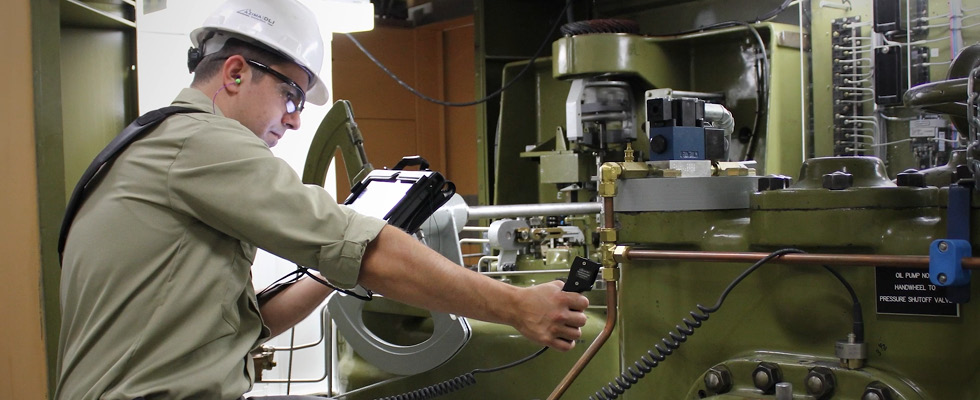
Technologies such as vibration monitoring, thermography, oil analysis, and ultrasonic testing are commonly used. For instance, vibration analysis can reveal subtle changes in machine performance, allowing maintenance teams to act before a breakdown occurs.
- Advantages: Minimizes unplanned downtime, reduces unnecessary maintenance, optimizes resource use, and extends equipment life.
- Limitations: Higher initial investment, requires specialized skills, and depends on data quality and integration.
Preventive vs Predictive Maintenance Comparison: Core Differences
When evaluating preventive vs predictive maintenance comparison strategies, it’s important to consider several key factors. The table below summarizes the main distinctions:
| Aspect | Preventive Maintenance | Predictive Maintenance |
|---|---|---|
| Approach | Time-based or usage-based scheduling | Condition-based, data-driven actions |
| Data Requirements | Minimal (historical/fixed intervals) | Extensive (real-time sensor data) |
| Cost Structure | Predictable, but may be higher due to over-maintenance | Potentially lower long-term, but higher upfront investment |
| Failure Prevention | Reduces risk, but may miss unexpected issues | Targets failures before they occur based on actual condition |
| Implementation Complexity | Low to moderate | High (requires technology and expertise) |
Choosing the Right Strategy for Your Operations
The decision between these two maintenance philosophies depends on several factors, including asset criticality, available resources, and organizational goals. For facilities with straightforward equipment and limited budgets, scheduled maintenance may be sufficient. However, for operations where downtime is costly or safety is paramount, investing in condition-based monitoring can deliver significant benefits.
Industries such as pharmaceuticals, mining, and textiles often blend both approaches. For example, vibration analysis for pharmaceutical plants helps ensure compliance and uptime, while vibration analysis for mining equipment supports reliability in demanding environments.
Technologies Enabling Predictive Maintenance
The rise of Industry 4.0 has accelerated the adoption of predictive strategies. Key technologies include:
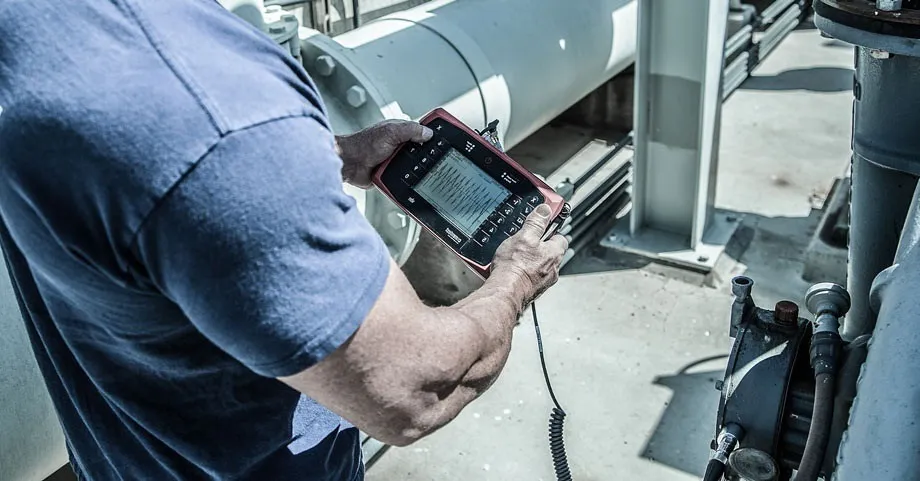
- Vibration monitoring: Detects imbalance, misalignment, and bearing faults.
- Thermal imaging: Identifies overheating components.
- Oil analysis: Monitors lubricant condition and contamination.
- Ultrasonic testing: Finds leaks and electrical discharges.
For example, vibration analysis for textile machinery is used to keep looms running efficiently, while vibration analysis for food processing equipment supports safety and uptime in regulated environments.
Benefits and Challenges of Each Approach
Advantages of Scheduled Maintenance
- Simple to plan and budget
- Reduces the risk of catastrophic failures
- Does not require advanced technology or data infrastructure
Advantages of Condition-Based Maintenance
- Targets interventions only when needed, reducing waste
- Improves asset reliability and extends service life
- Enables early detection of hidden faults
Challenges to Consider
- Predictive methods require investment in sensors, software, and skilled personnel
- Preventive methods may lead to unnecessary part replacements and higher long-term costs
- Data-driven approaches depend on the quality and integration of monitoring systems
Integrating Both Strategies for Maximum Value
Many organizations find that a hybrid approach delivers the best results. By combining scheduled tasks for non-critical assets with real-time monitoring for high-value equipment, businesses can balance reliability, cost, and resource allocation. The key is to assess asset criticality, failure modes, and operational impact to determine where each method fits best.
FAQ: Preventive and Predictive Maintenance
What is the main difference between preventive and predictive maintenance?
The primary distinction is that preventive maintenance follows a fixed schedule based on time or usage, while predictive maintenance relies on real-time data to determine when service is actually needed.
Which maintenance strategy is more cost-effective?
Predictive maintenance can be more cost-effective in the long run by reducing unnecessary interventions and preventing unexpected failures. However, it requires a higher initial investment in technology and expertise.
Can both approaches be used together?
Yes, many organizations use a combination of both. Less critical or inexpensive assets may be maintained on a schedule, while critical equipment is monitored using predictive techniques for optimal reliability and efficiency.