
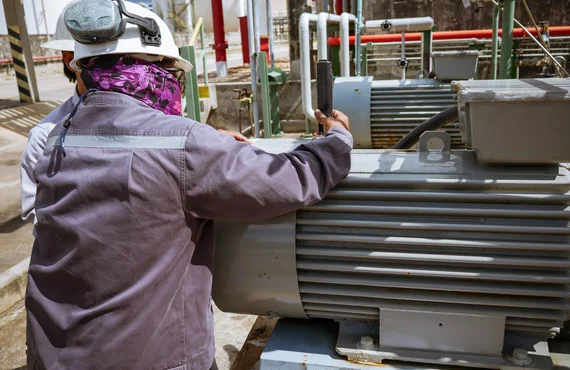
Developing expertise in vibration analysis is essential for professionals working in maintenance, reliability, and condition monitoring across industries such as manufacturing, energy, and process plants. This vibration analysis training guide is designed to help you understand the fundamentals, master essential techniques, and build the practical skills needed to diagnose and prevent equipment failures effectively.
Whether you are new to the field or looking to deepen your knowledge, this resource covers the core concepts, recommended learning paths, and actionable tips for advancing your technical capabilities. For those working in specialized sectors, you may also find targeted resources like vibration analysis for power plants particularly useful as you progress.
Understanding the Basics of Vibration Analysis
At its core, vibration analysis involves measuring and interpreting the oscillations of machinery and equipment. These vibrations can reveal critical information about the health and performance of assets, allowing maintenance teams to detect imbalances, misalignments, looseness, and bearing faults before they lead to costly breakdowns.
Key concepts in vibration analysis include:
- Amplitude: The strength or intensity of the vibration signal.
- Frequency: How often a vibration occurs, typically measured in Hertz (Hz).
- Phase: The timing relationship between different vibration signals.
- Waveform and Spectrum: The visual representation of vibration data, either in the time domain (waveform) or frequency domain (spectrum).
Understanding these fundamentals is the first step in any vibration analysis training journey.
Why Technical Skills Matter in Condition Monitoring
Developing strong technical skills in vibration analysis is not just about learning theory. It’s about applying knowledge to real-world situations—identifying early warning signs of failure, selecting the right measurement tools, and interpreting complex data accurately. Skilled analysts help organizations:
- Reduce unplanned downtime
- Optimize maintenance schedules
- Extend equipment life
- Improve workplace safety
As industries move toward predictive maintenance and digital transformation, the demand for qualified vibration analysts continues to grow.

Core Components of a Vibration Analysis Training Program
Effective training programs are structured to build both foundational knowledge and hands-on skills. Here are the essential components:
1. Theoretical Foundations
Start with the science behind vibration: mechanical dynamics, signal processing, and the physics of rotating machinery. Understanding the root causes of vibration helps analysts make sense of the data they collect.
2. Instrumentation and Data Collection
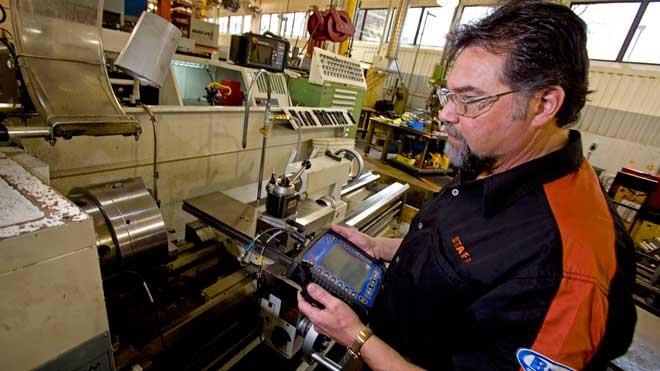
Learn to use accelerometers, velocity sensors, and data collectors. Proper sensor placement, data acquisition techniques, and safety precautions are critical for reliable results.
3. Signal Analysis and Interpretation
Training should cover spectrum analysis, waveform analysis, and trending. Analysts must be able to distinguish between normal and abnormal vibration patterns, and identify specific fault signatures.
4. Practical Application and Case Studies
Hands-on exercises, real-world case studies, and troubleshooting scenarios help bridge the gap between theory and practice. This is where trainees learn to apply their skills to actual machinery and plant environments.
Choosing the Right Learning Path
There are several ways to build your expertise in vibration analysis, depending on your background and career goals:
- In-person courses: Many organizations offer classroom-based training with practical labs.
- Online programs: Flexible, self-paced options are available for remote learners.
- Certification: Earning recognized certifications (such as ISO Category I-IV) demonstrates your competence and commitment to the field.
- On-the-job training: Learning from experienced colleagues and applying skills in your workplace is invaluable.
For those working in regulated industries, specialized resources such as vibration analysis for pharmaceutical plants or vibration analysis for food processing equipment can provide targeted guidance.
Key Skills Every Vibration Analyst Should Master
To excel in this field, focus on developing the following technical and analytical skills:
- Data acquisition: Accurate measurement and logging of vibration data.
- Fault diagnosis: Identifying the root cause of abnormal vibration patterns.
- Equipment knowledge: Understanding the operation and failure modes of rotating machinery.
- Reporting and communication: Clearly presenting findings and recommendations to maintenance teams and management.
- Continuous learning: Staying current with new technologies, standards, and best practices.
These competencies are essential for delivering value in any predictive maintenance program.
Common Challenges and How to Overcome Them
Even experienced analysts face challenges in the field. Some of the most common include:
- Noise and interference: Environmental factors can distort vibration signals. Use proper sensor mounting and filtering techniques to minimize these effects.
- Data overload: Modern systems generate vast amounts of data. Focus on actionable insights and use trending tools to prioritize issues.
- Misinterpretation: Incomplete understanding of machine operation can lead to incorrect diagnoses. Always consider the full context and consult equipment manuals or experts when in doubt.
Continuous practice, mentorship, and participation in professional forums can help analysts refine their judgment and problem-solving abilities.
Industry Applications and Specialized Resources
Vibration analysis is used in a wide range of industries, each with its own challenges and requirements. For example:
- Vibration analysis for mining equipment focuses on reliability in harsh underground environments.
- Vibration analysis for textile machinery addresses the unique needs of looms and spinning machines.
For a comprehensive overview of techniques and case studies, you can also consult resources like this in-depth article on vibration analysis methods.
Best Practices for Ongoing Skill Development
Building and maintaining technical skills in vibration analysis is an ongoing process. Consider these best practices:
- Participate in industry conferences and workshops
- Join professional organizations and online communities
- Regularly review case studies and failure reports
- Seek feedback from peers and mentors
- Stay updated with the latest standards and technologies
By committing to lifelong learning, you’ll remain effective and adaptable as technologies and industry needs evolve.
Frequently Asked Questions
What qualifications are needed to start a career in vibration analysis?
Most entry-level roles require a background in engineering, maintenance, or a related technical field. Completing a structured vibration analysis training program and earning certifications such as ISO Category I or II can significantly enhance your job prospects.
How long does it take to become proficient in vibration analysis?
The time required varies depending on your prior experience and the complexity of the equipment you work with. Many professionals achieve basic proficiency within a few months of dedicated study and hands-on practice, but mastering advanced techniques can take several years.
Are there industry-specific training resources available?
Yes, many training providers offer courses tailored to specific industries. For example, you can find specialized content for sectors like power generation, pharmaceuticals, food processing, and mining. Internal resources such as vibration analysis for power plants and others linked throughout this article provide targeted guidance.
By following the guidance in this vibration analysis training guide, you can systematically build your technical skills, enhance your value to employers, and contribute to safer, more reliable operations in your industry.