
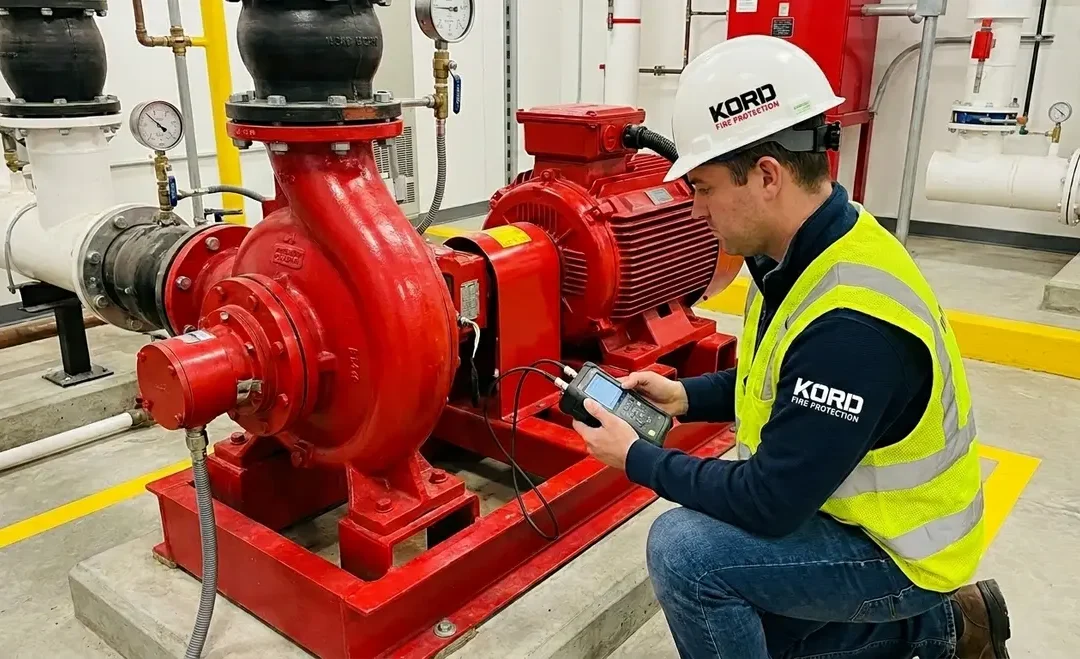
Manufacturing operations depend on the consistent performance of machinery and equipment. Unexpected breakdowns can halt production, cause missed deadlines, and lead to significant financial losses. As industries seek more efficient ways to keep their lines running smoothly, predictive maintenance has emerged as a powerful strategy to minimize unplanned downtime and optimize asset reliability.
By leveraging real-time data, advanced analytics, and condition monitoring, predictive maintenance enables manufacturers to anticipate equipment failures before they occur. This proactive approach not only reduces the frequency and duration of stoppages but also helps organizations allocate resources more effectively and extend the lifespan of critical assets.
For industries with specialized needs, such as energy, pharmaceuticals, food processing, textiles, and mining, tailored solutions like vibration analysis for power plants are helping teams monitor critical assets and prevent costly interruptions.
The Fundamentals of Predictive Maintenance
Predictive maintenance is a data-driven approach that uses sensors, machine learning, and analytics to monitor the condition of equipment in real time. Unlike traditional preventive maintenance—which relies on scheduled servicing regardless of actual equipment health—predictive strategies focus on identifying early warning signs of wear, misalignment, or impending failure.
Key components of a predictive maintenance program include:
- Condition monitoring using sensors to track vibration, temperature, pressure, and other parameters
- Data collection and analysis to detect patterns and anomalies
- Machine learning algorithms that predict when maintenance should be performed
- Automated alerts to notify maintenance teams of potential issues
By focusing on the actual condition of assets, predictive maintenance allows organizations to intervene only when necessary, reducing unnecessary maintenance activities and minimizing the risk of unexpected breakdowns.
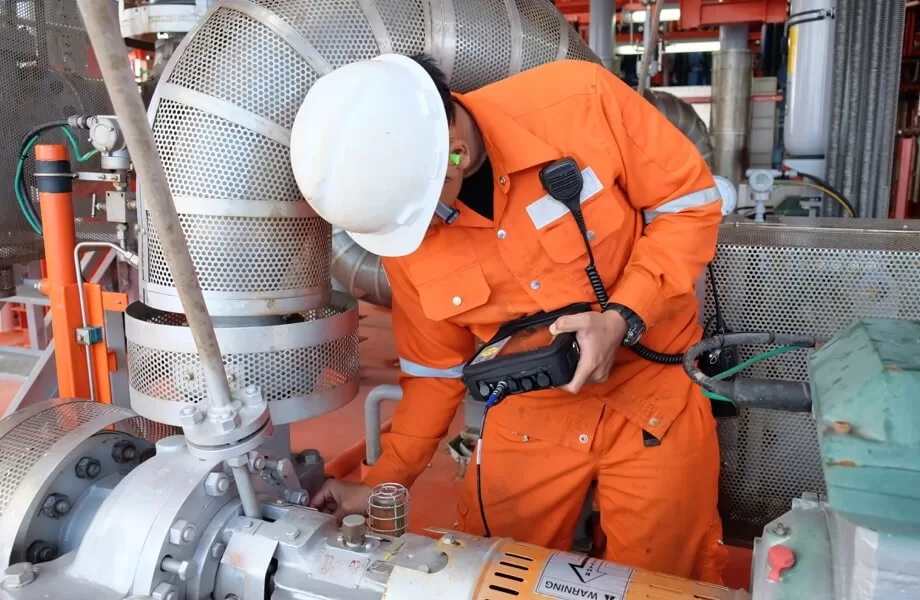
Key Ways Predictive Maintenance Minimizes Equipment Downtime
Implementing predictive maintenance delivers measurable benefits for manufacturers aiming to keep their operations running efficiently. Here are several ways this approach helps reduce downtime:
Early Detection of Faults
Continuous monitoring enables the identification of subtle changes in equipment behavior—such as increased vibration or temperature—that often precede failure. By catching these issues early, maintenance teams can schedule repairs during planned shutdowns rather than reacting to emergencies.
Optimized Maintenance Scheduling
Instead of following rigid calendar-based schedules, predictive maintenance allows for interventions based on actual asset condition. This flexibility means maintenance is performed only when needed, reducing unnecessary work and avoiding the risk of missing hidden problems.
Reduced Unplanned Outages
Unplanned downtime is costly and disruptive. By predicting failures before they happen, manufacturers can plan repairs and part replacements in advance, ensuring that production lines remain operational and delivery commitments are met.
Improved Resource Allocation
With better insight into equipment health, maintenance teams can prioritize tasks, allocate labor more effectively, and ensure that spare parts are available when needed. This leads to faster response times and minimizes the duration of any required stoppages.
Technologies Powering Predictive Maintenance
Several technologies are central to the success of predictive maintenance strategies in manufacturing:
- Vibration analysis—A proven method for detecting imbalances, misalignments, and bearing faults in rotating machinery. For a deeper dive, see this guide on vibration analysis and predictive maintenance.
- Thermography—Infrared cameras detect abnormal heat signatures that may indicate electrical or mechanical issues.
- Ultrasound monitoring—Helps identify leaks, electrical discharges, and lubrication problems.
- Oil analysis—Monitors lubricant condition and identifies contaminants or wear particles.
- IoT-enabled sensors—Provide real-time data streams from equipment across the facility.
These technologies, combined with advanced analytics, enable manufacturers to move from reactive to proactive maintenance, significantly reducing the risk of unexpected equipment failures.
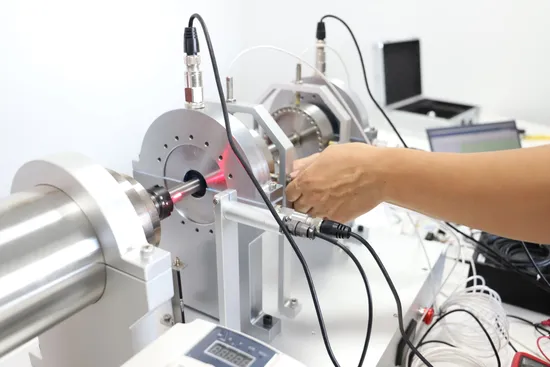
Industry Applications and Real-World Impact
The benefits of predictive maintenance are being realized across a wide range of manufacturing sectors. For example, in the energy industry, vibration analysis for power plants helps monitor turbines and generators, preventing catastrophic failures and reducing costly downtime.
Pharmaceutical manufacturers rely on vibration analysis for pharmaceutical plants to maintain strict compliance and ensure uninterrupted production. Similarly, food processors use vibration analysis for food processing equipment to safeguard product quality and maximize uptime.
In textile manufacturing, vibration analysis for textile machinery keeps looms and spinning machines running efficiently, while mining operations benefit from vibration analysis for mining equipment to enhance reliability in harsh underground environments.
Challenges and Considerations for Implementation
While the advantages of predictive maintenance are clear, successful implementation requires careful planning and investment. Some common challenges include:
- Initial setup costs—Sensors, software, and integration with existing systems can require significant upfront investment.
- Data management—Collecting and analyzing large volumes of data demands robust IT infrastructure and skilled personnel.
- Change management—Shifting from traditional maintenance practices to a predictive model may require cultural changes and staff training.
- Integration with legacy equipment—Older machines may need retrofitting with sensors or may not support advanced monitoring technologies.
Despite these hurdles, many manufacturers find that the long-term savings from reduced downtime, lower maintenance costs, and improved asset longevity far outweigh the initial challenges.
Best Practices for Maximizing Uptime with Predictive Maintenance
To fully realize the benefits of predictive maintenance, manufacturers should consider the following best practices:
- Start with a pilot program on critical assets to demonstrate value and refine processes.
- Invest in staff training to build expertise in data analysis and condition monitoring.
- Establish clear protocols for responding to alerts and scheduling interventions.
- Continuously review and update predictive models as more data becomes available.
- Collaborate with technology partners to stay current with the latest advancements.
By following these guidelines, organizations can create a culture of proactive maintenance, ensuring that equipment operates at peak performance and minimizing the risk of unexpected stoppages.
Frequently Asked Questions
What is the main difference between predictive and preventive maintenance?
Preventive maintenance relies on scheduled servicing based on time or usage intervals, regardless of the actual condition of the equipment. Predictive maintenance, on the other hand, uses real-time data and analytics to determine the optimal time for maintenance, reducing unnecessary work and minimizing the risk of unexpected failures.
How does predictive maintenance help reduce downtime in manufacturing?
By continuously monitoring equipment health and identifying early warning signs of potential issues, predictive maintenance allows manufacturers to address problems before they result in breakdowns. This proactive approach leads to fewer unplanned outages and shorter repair times, keeping production lines running smoothly.
What types of equipment benefit most from predictive maintenance?
Rotating machinery, such as motors, pumps, compressors, and turbines, often benefit the most due to their susceptibility to wear and vibration-related faults. However, predictive maintenance can be applied to a wide range of assets, including conveyors, HVAC systems, and electrical panels, across various industries.