
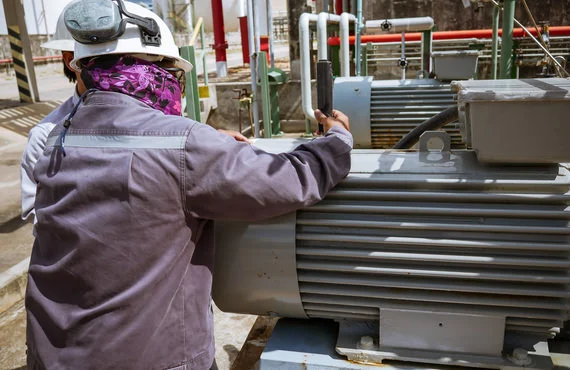
Industrial fans are essential for ventilation, cooling, and process support across many sectors. However, when these machines develop faults, the consequences can range from reduced efficiency to catastrophic failure. Vibration analysis for fans is a proven approach to detect, diagnose, and prevent common issues before they escalate. By monitoring vibration patterns, maintenance teams can identify underlying problems and schedule repairs proactively, minimizing downtime and extending equipment life.
Understanding the fundamentals of vibration monitoring is crucial for anyone responsible for fan maintenance or reliability. This guide explores how vibration data is collected, interpreted, and used to pinpoint typical faults in fan systems. If you’re interested in how these techniques apply to other industries, you may also want to read about vibration analysis for power plants and its role in monitoring critical assets.
Why Vibration Monitoring Matters for Fan Systems
Fans operate at high speeds and are subject to various forces that can cause wear and tear over time. Even minor imbalances or misalignments can generate excessive vibration, leading to:
- Premature bearing and shaft failure
- Increased energy consumption
- Noise and safety hazards
- Unplanned outages and repair costs
Routine vibration analysis for fans helps maintenance teams detect these issues early. By analyzing vibration signatures, technicians can distinguish between normal operating conditions and warning signs of mechanical problems. This proactive approach supports predictive maintenance strategies, reducing the risk of unexpected breakdowns.

How Vibration Data Is Collected and Interpreted
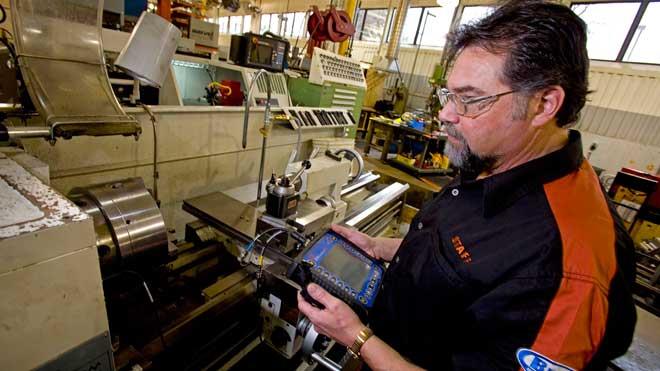
Vibration monitoring involves attaching sensors—typically accelerometers—to key points on the fan assembly, such as bearings, housings, or motor mounts. These sensors capture vibration signals, which are then analyzed using specialized software. The resulting data is often displayed as:
- Time waveform: Shows vibration amplitude over time
- Frequency spectrum (FFT): Breaks down vibration into its frequency components
- Trend plots: Track changes in vibration levels over days, weeks, or months
By comparing current readings to baseline data or industry standards, technicians can quickly spot deviations that indicate developing faults. For a deeper dive into vibration analysis techniques, the comprehensive overview of vibration analysis methods provides valuable insights.
Common Fan Problems Detected by Vibration Analysis
Several mechanical and operational issues can be identified through fan vibration monitoring. Here are the most frequent culprits:
Imbalance
Imbalance occurs when the fan’s rotating mass is unevenly distributed, causing the rotor to wobble. This is one of the most common sources of excessive vibration in fans. Causes may include dirt buildup, damaged blades, or manufacturing defects. Imbalance typically shows up as a peak at the running speed (1x RPM) in the frequency spectrum.
Misalignment
When the motor and fan shafts are not properly aligned, it can result in increased vibration and wear. Misalignment can be angular, parallel, or a combination of both. It often produces vibration at 1x and 2x running speed frequencies. Regular alignment checks are essential to prevent this issue.
Bearing Defects
Bearings are critical for smooth fan operation. Over time, they can develop faults such as pitting, spalling, or lubrication failure. These defects generate characteristic vibration patterns, often at high frequencies. Early detection through vibration analysis allows for timely bearing replacement, avoiding costly secondary damage.
Looseness and Structural Issues
Loose mounting bolts, cracked frames, or deteriorating foundations can all cause abnormal vibration. These issues often produce broad-spectrum vibration or harmonics at multiples of the running speed. Addressing looseness quickly is vital to prevent further mechanical damage.
Resonance
Resonance occurs when the fan’s natural frequency matches an external force, amplifying vibration levels dramatically. This can be triggered by changes in speed, load, or structural modifications. Identifying and correcting resonance conditions is essential for long-term reliability.
Best Practices for Implementing Vibration Analysis in Fan Maintenance
To get the most value from vibration analysis for fans, consider these practical recommendations:
- Baseline measurements: Record vibration data on new or recently serviced fans to establish reference points.
- Regular monitoring: Schedule periodic checks, especially for critical or high-speed fans.
- Sensor placement: Position sensors at bearings, motor mounts, and other strategic locations for comprehensive coverage.
- Data trending: Use software to track changes in vibration over time, making it easier to spot gradual deterioration.
- Training: Ensure technicians are trained to interpret vibration data and recognize common fault signatures.
Incorporating vibration monitoring into your maintenance routine not only improves reliability but also supports a predictive maintenance strategy. For those working in specialized sectors, such as vibration analysis for pharmaceutical plants, adapting these best practices can help meet compliance and uptime goals.
Integrating Vibration Analysis with Other Predictive Maintenance Tools
While vibration analysis is a powerful diagnostic tool, it is most effective when combined with other condition monitoring methods. Techniques such as thermography, oil analysis, and ultrasonic testing can provide complementary insights into fan health. For example, oil analysis can reveal lubrication issues that may not be immediately apparent from vibration data alone.
Adopting a holistic approach to predictive maintenance enables organizations to:
- Detect faults earlier and with greater accuracy
- Optimize maintenance schedules
- Reduce unplanned downtime and repair costs
- Extend the lifespan of critical assets
For industries like food processing or mining, where uptime is crucial, combining vibration monitoring with other diagnostic tools is especially beneficial. Explore more about these sector-specific approaches in articles on vibration analysis for food processing equipment and vibration analysis for mining equipment.
FAQ: Vibration Analysis and Fan Maintenance
What are the main benefits of using vibration analysis on fans?
Vibration monitoring helps detect early signs of mechanical issues such as imbalance, misalignment, and bearing defects. This allows maintenance teams to address problems before they lead to costly failures or downtime, improving equipment reliability and reducing maintenance expenses.
How often should vibration data be collected from industrial fans?
The frequency of monitoring depends on the criticality and operating conditions of the fan. For high-speed or mission-critical fans, weekly or monthly checks are recommended. Less critical fans may be monitored quarterly. Establishing a baseline and trending data over time is key to effective fault detection.
Can vibration analysis identify all types of fan problems?
While vibration analysis is highly effective for detecting many mechanical faults, it may not reveal issues related to electrical components or certain aerodynamic problems. Combining vibration monitoring with other predictive maintenance techniques, such as thermography or oil analysis, provides a more comprehensive assessment of fan health.