
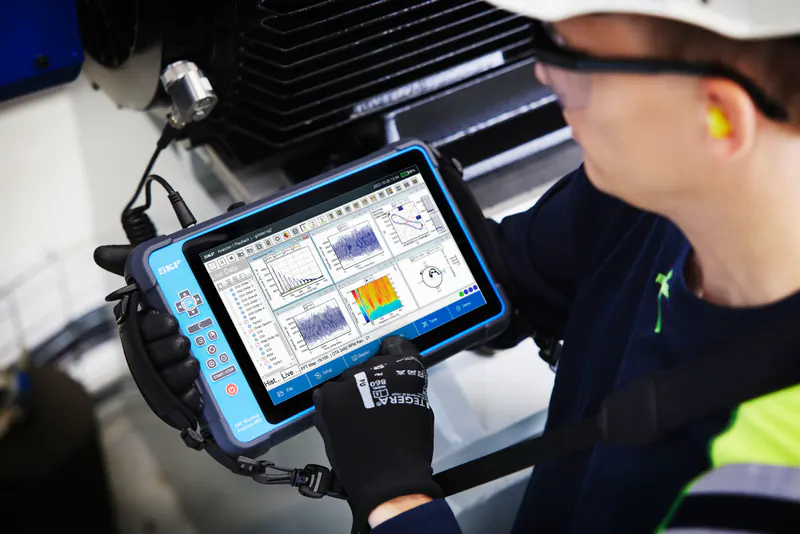
As robotics become increasingly integrated into manufacturing, logistics, and precision engineering, maintaining the accuracy and reliability of these systems is more important than ever. Vibration analysis for robotic systems plays a pivotal role in ensuring that robots perform their tasks with consistent precision, minimizing downtime and reducing the risk of costly breakdowns. By monitoring and interpreting vibration data, engineers can detect early signs of wear, misalignment, or mechanical faults before they escalate into major issues.
Understanding how vibrations affect robotic arms, actuators, and end-effectors is essential for anyone responsible for the upkeep of automated equipment. This guide explores the fundamentals of vibration monitoring in robotics, the challenges unique to these environments, and the best practices for keeping robotic systems running smoothly and accurately.
For those interested in how vibration monitoring applies to other sectors, you can also explore our detailed overview of vibration analysis for power plants to see how similar principles are adapted for critical infrastructure.
Why Vibration Monitoring Matters in Robotics
Robotic systems are built for precision, speed, and repeatability. However, even minor mechanical disturbances can lead to significant deviations in performance. Vibration analysis for robotic systems enables early detection of issues such as:
- Bearing wear in joints and actuators
- Imbalances in rotating components
- Loose fasteners or structural fatigue
- Misalignment of axes or end-effectors
- Resonance effects from high-speed operations
By identifying these problems early, maintenance teams can schedule repairs proactively, reducing unplanned downtime and extending the lifespan of expensive robotic assets.
Key Challenges in Robotic Vibration Analysis
Unlike stationary industrial machinery, robots present unique challenges for vibration monitoring:
- Dynamic Motion: Robots operate in multiple axes and often at varying speeds, making it difficult to distinguish between normal operational vibrations and those indicating faults.
- Complex Structures: The combination of lightweight materials, flexible joints, and intricate linkages can amplify or dampen vibrations in unpredictable ways.
- Environmental Noise: Robots often work in environments with significant background noise from other equipment, complicating signal analysis.
- Integration Constraints: Sensors must be placed without interfering with the robot’s range of motion or payload capacity.
Overcoming these challenges requires a tailored approach to sensor placement, data acquisition, and analysis techniques.
How Vibration Analysis Works in Robotic Applications
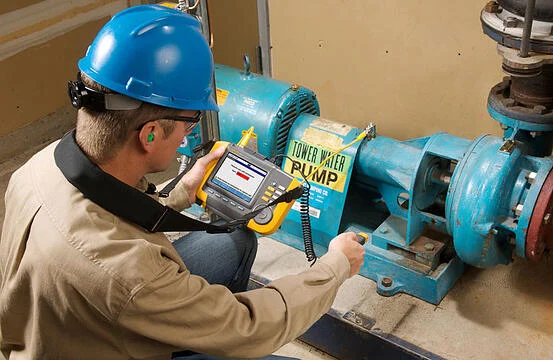
The process of monitoring vibrations in robots typically involves several key steps:
- Sensor Selection and Placement: Accelerometers and velocity sensors are commonly used, strategically mounted on joints, actuators, or structural elements.
- Data Collection: Vibration signals are recorded during normal operation, as well as during specific diagnostic routines.
- Signal Processing: Raw data is filtered and transformed (often using Fast Fourier Transform or FFT) to identify frequency components associated with mechanical faults.
- Fault Diagnosis: Patterns in the vibration spectrum are compared to known signatures of issues like bearing defects, misalignment, or gear wear.
- Actionable Insights: Maintenance teams use this information to plan interventions, replace worn parts, or adjust operational parameters.
Routine vibration monitoring can be integrated into predictive maintenance programs, enabling condition-based servicing rather than relying solely on scheduled maintenance intervals.
Best Practices for Maintaining Robotic Accuracy with Vibration Monitoring
To maximize the benefits of vibration analysis in robotic environments, consider these best practices:
- Baseline Measurements: Establish reference vibration profiles for each robot during optimal operation. This makes it easier to spot deviations over time.
- Regular Monitoring: Schedule periodic checks or implement continuous monitoring for critical robots, especially those in high-speed or high-precision applications.
- Data Integration: Combine vibration data with other condition monitoring metrics (temperature, current, etc.) for a holistic view of robot health.
- Staff Training: Ensure maintenance personnel understand how to interpret vibration data and respond appropriately to alerts.
- Collaboration with OEMs: Work with robot manufacturers to access diagnostic tools and recommended sensor placements.
Following these guidelines can help organizations achieve higher uptime, better product quality, and lower total cost of ownership for their robotic assets.
Advanced Techniques and Tools for Robotic Vibration Analysis
Modern vibration monitoring in robotics leverages a range of advanced tools and analytical methods:
- Wireless Sensors: Reduce cabling complexity and allow for flexible sensor placement on moving parts.
- Cloud-Based Analytics: Enable remote monitoring and trend analysis across multiple robots or facilities.
- Machine Learning Algorithms: Improve fault detection accuracy by learning from historical vibration data and identifying subtle patterns.
- Automated Diagnostics: Some platforms offer real-time alerts and automated recommendations for corrective actions.
For a deeper dive into the science and technology behind these methods, see this comprehensive overview of vibration analysis techniques and their applications across industries.
Comparing Vibration Monitoring Across Industries
While the principles of vibration analysis are consistent, each industry adapts the approach to its unique requirements. For example, in sectors like pharmaceuticals or mining, the focus may be on regulatory compliance or extreme operating conditions. If you want to see how these strategies are tailored for other environments, you can read about vibration analysis for pharmaceutical plants, vibration analysis for mining equipment, or vibration analysis for textile machinery.
Understanding these cross-industry adaptations can inspire new approaches for optimizing robotic maintenance and reliability.
FAQ: Vibration Analysis in Robotic Environments
What are the most common causes of excessive vibration in robots?
Excessive vibration in robotic systems is often caused by worn bearings, misaligned joints, unbalanced rotating components, or loose hardware. Environmental factors, such as mounting surface instability or external machinery, can also contribute to abnormal vibration levels.
How often should vibration monitoring be performed on robotic equipment?
The ideal frequency depends on the robot’s application and criticality. For high-precision or high-speed robots, continuous or weekly monitoring is recommended. For less critical applications, monthly or quarterly checks may suffice. Establishing a baseline and monitoring for deviations is key.
Can vibration analysis predict all types of robotic failures?
While vibration monitoring is highly effective for detecting mechanical issues like bearing wear or misalignment, it may not identify electrical faults or software-related problems. Combining vibration analysis with other condition monitoring techniques provides the most comprehensive protection for robotic assets.