
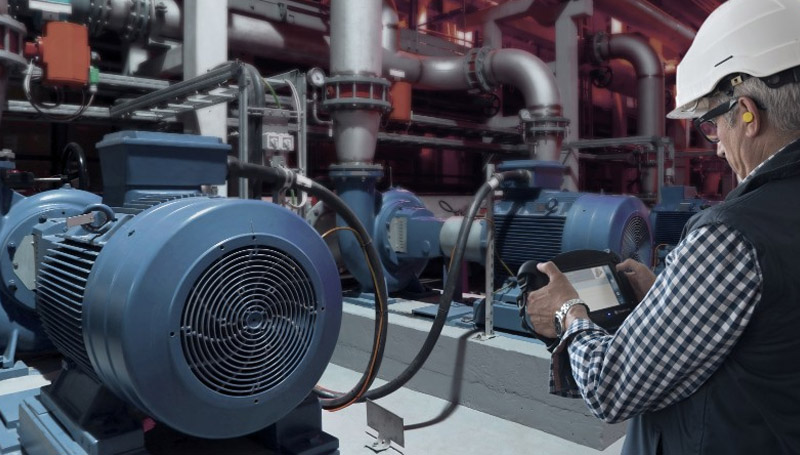
Factories rely on complex machinery to maintain productivity and meet demanding schedules. Even minor equipment failures can cause costly downtime, disrupt workflows, and lead to expensive repairs. As a result, manufacturers are increasingly turning to continuous vibration monitoring benefits to keep their operations running smoothly and efficiently.
By implementing real-time vibration analysis, factories can detect early signs of mechanical issues, optimize maintenance schedules, and extend the lifespan of critical assets. This proactive approach not only reduces unplanned outages but also enhances workplace safety and overall operational efficiency.
For those interested in industry-specific insights, exploring vibration analysis for power plants can provide a deeper understanding of how monitoring strategies are tailored for critical infrastructure.
Why Real-Time Vibration Analysis Is Transforming Factory Maintenance
Traditional maintenance routines often rely on scheduled inspections or reactive repairs after a breakdown occurs. However, these methods can miss subtle warning signs or result in unnecessary maintenance costs. By contrast, continuous vibration monitoring benefits factories by providing ongoing, real-time data about the health of machines.
Sensors installed on equipment collect vibration data around the clock, allowing maintenance teams to spot abnormal patterns before they escalate into major problems. This shift from reactive to predictive maintenance is a game-changer for manufacturers seeking to maximize uptime and minimize expenses.

Key Advantages of Implementing Continuous Vibration Monitoring
Adopting a real-time monitoring system offers a wide range of advantages for factories of all sizes. Here are some of the most significant continuous vibration monitoring benefits that drive adoption across the manufacturing sector:
- Early Fault Detection: Continuous monitoring enables the identification of issues such as misalignment, imbalance, bearing wear, or looseness before they cause failures. Early intervention helps prevent catastrophic breakdowns and reduces the risk of secondary damage.
- Reduced Downtime: By catching problems early, factories can plan maintenance during scheduled shutdowns rather than reacting to unexpected outages. This leads to higher equipment availability and improved production schedules.
- Lower Maintenance Costs: Predictive maintenance based on real-time data allows teams to focus efforts where they are truly needed, reducing unnecessary part replacements and labor expenses.
- Extended Equipment Life: Addressing small issues promptly helps extend the lifespan of machinery, maximizing return on investment and delaying capital expenditures.
- Improved Safety: Monitoring systems can alert staff to hazardous conditions, such as excessive vibration that could lead to mechanical failure, fires, or other safety incidents.
- Data-Driven Decision Making: Access to historical and real-time vibration data empowers maintenance managers to make informed decisions about repairs, replacements, and upgrades.
How Vibration Monitoring Supports Predictive Maintenance Strategies
Predictive maintenance relies on accurate, up-to-date information about the condition of factory assets. By continuously tracking vibration levels, maintenance teams can establish baseline performance metrics and set thresholds for acceptable operation. When a sensor detects vibration outside of normal parameters, it triggers an alert, enabling a targeted inspection or repair.
This approach reduces the guesswork involved in traditional maintenance and helps factories avoid both over-maintaining and under-maintaining their assets. Over time, the data collected can also be used to refine maintenance schedules and improve the accuracy of failure predictions.
For industries with strict compliance requirements or sensitive processes, such as pharmaceuticals or food production, continuous vibration analysis is especially valuable. It ensures that equipment operates within safe limits and supports documentation for regulatory audits. Those interested in sector-specific applications can learn more about vibration analysis for pharmaceutical plants or vibration analysis for food processing equipment.
Choosing the Right Vibration Monitoring Solution
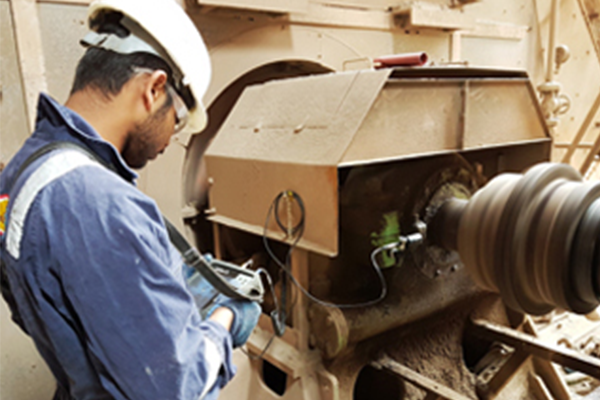
Selecting a monitoring system involves evaluating several factors, including the types of machinery in use, the criticality of each asset, and the available budget. Some factories may benefit from wireless sensors that are easy to install and maintain, while others may require more robust, wired solutions for high-value equipment.
Integration with existing maintenance management systems is also important. The best solutions provide user-friendly dashboards, customizable alerts, and detailed reporting features. This ensures that maintenance teams can act quickly and confidently when issues arise.
To further understand the technical aspects and practical applications, reviewing resources like this comprehensive overview of vibration analysis in industrial environments can be helpful.
Industry Applications and Success Stories
Continuous vibration monitoring is not limited to a single industry. It has proven effective in sectors ranging from power generation and mining to textiles and food processing. For example, in mining operations, real-time monitoring helps ensure the reliability of heavy equipment working in challenging underground conditions. Those interested in this area can explore more about vibration analysis for mining equipment.
Similarly, textile manufacturers use vibration data to keep looms and spinning machines running smoothly, minimizing defects and maximizing output. For more details on this application, see vibration analysis for textile machinery.
Across all these industries, the common thread is a significant reduction in unplanned downtime, lower maintenance costs, and improved asset reliability.
Implementing Continuous Monitoring: Best Practices
To maximize the value of vibration monitoring, factories should follow a few key best practices:
- Start with Critical Assets: Focus initial efforts on machinery that is essential to production or particularly costly to repair.
- Establish Baselines: Collect data during normal operation to define acceptable vibration levels for each asset.
- Set Clear Alert Thresholds: Use historical data and manufacturer recommendations to determine when maintenance action is needed.
- Integrate with Maintenance Systems: Ensure that alerts and reports are seamlessly integrated with your existing maintenance workflows.
- Train Staff: Provide training for maintenance teams so they can interpret vibration data and respond appropriately to alerts.
By following these steps, factories can ensure a smooth transition to predictive maintenance and realize the full range of continuous vibration monitoring benefits.
Frequently Asked Questions
What types of equipment benefit most from continuous vibration monitoring?
Rotating machinery such as motors, pumps, compressors, fans, and gearboxes are especially well-suited for vibration monitoring. These assets are prone to issues like imbalance, misalignment, and bearing wear, which can be detected early through real-time analysis.
How does vibration monitoring reduce maintenance costs?
By providing early warnings of developing faults, continuous monitoring allows maintenance teams to address problems before they escalate. This proactive approach reduces emergency repairs, extends equipment life, and minimizes unnecessary part replacements, all of which contribute to lower overall maintenance expenses.
Is it difficult to implement a vibration monitoring system in an existing factory?
Modern systems are designed for easy integration, with wireless sensors and user-friendly software that can be installed without major disruptions. Many solutions can be scaled gradually, starting with the most critical assets and expanding as needed.
Can vibration monitoring help with regulatory compliance?
Yes, continuous monitoring supports compliance by providing detailed records of equipment condition and maintenance actions. This documentation can be valuable during audits, especially in regulated industries like pharmaceuticals and food processing.
In summary, adopting real-time vibration analysis offers factories a powerful tool for improving reliability, reducing costs, and maintaining a safe working environment. As technology advances, the accessibility and effectiveness of these systems will only continue to grow, making them an essential part of modern industrial maintenance.