
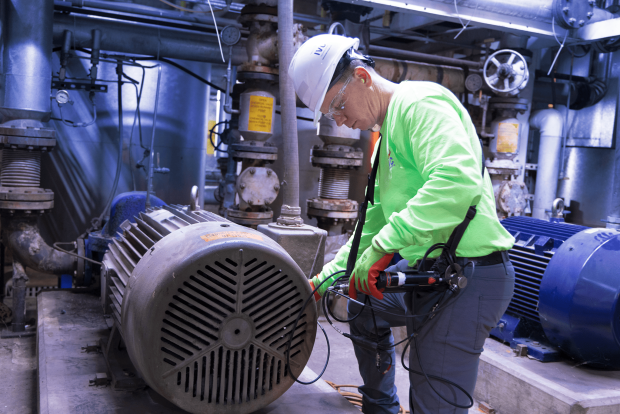
Machine vibration during shutdown is a critical phenomenon that maintenance teams and reliability engineers must understand to ensure equipment longevity and operational safety. When industrial machinery transitions from full operation to a complete stop, unique vibration patterns often emerge. These patterns can reveal underlying mechanical issues, signal potential failures, or simply reflect normal dynamic responses. Recognizing the difference is essential for effective asset management and minimizing unplanned downtime.
In this guide, we’ll explore why shutdown-related vibrations occur, what they can indicate about your equipment’s health, and the specific warning signs to monitor. By understanding these factors, you can make informed decisions about maintenance, avoid costly breakdowns, and improve the reliability of your machines.
For those working in specialized industries, such as power generation, understanding shutdown vibration is especially important. If you’re interested in sector-specific insights, our resource on vibration analysis for power plants provides detailed guidance on monitoring critical assets during all operational phases.
Understanding Shutdown Vibration in Industrial Equipment
When a machine is powered down, its speed decreases gradually, causing dynamic forces within the system to change. These changes often result in vibration patterns that differ from those seen during steady-state operation. Monitoring these patterns is a key aspect of predictive maintenance and can help detect early signs of mechanical problems.
Shutdown vibration is influenced by several factors, including the type of machine, its design, the condition of its components, and the way it is operated. For example, large rotating equipment—such as turbines, compressors, and pumps—often exhibit pronounced vibration as they coast down through critical speeds. Recognizing which vibrations are normal and which are cause for concern requires experience and, ideally, a baseline of historical vibration data.

Main Causes of Vibration When Powering Down
Several mechanical and operational factors can contribute to increased vibration during the shutdown phase. Understanding these causes is crucial for identifying potential risks and planning appropriate maintenance actions.
Resonance and Critical Speeds
As machines slow down, they may pass through one or more critical speeds—rotational speeds at which the natural frequency of the system matches the excitation frequency. When this happens, even small imbalances or misalignments can be amplified, resulting in significant vibration. Resonance is a normal physical phenomenon, but excessive vibration at critical speeds may indicate underlying issues such as rotor imbalance or worn bearings.
Imbalance and Misalignment
Rotating components that are not properly balanced or aligned can cause vibration at all speeds, but the effects often become more noticeable during shutdown. As the machine decelerates, the forces generated by imbalance or misalignment interact with changing system dynamics, sometimes producing unexpected vibration spikes. Regular balancing and alignment checks are essential for minimizing these effects.
Looseness and Structural Issues
Loose bolts, deteriorated mounts, or weakened foundations can allow excessive movement during shutdown, increasing vibration levels. These issues may not be as apparent during steady-state operation, making shutdown monitoring an important diagnostic tool. Addressing structural problems promptly can prevent further damage and extend equipment life.
Lubrication and Bearing Wear
Bearings are particularly vulnerable during speed changes. Insufficient lubrication or advanced wear can cause increased friction and vibration as the shaft slows down. Monitoring bearing condition and ensuring proper lubrication schedules are followed can significantly reduce the risk of shutdown-related failures.
What to Monitor During Shutdown Events
Effective monitoring of machine vibration during shutdown involves more than just observing overall vibration levels. Here are key parameters and warning signs to watch for:
- Amplitude Spikes: Sudden increases in vibration amplitude, especially at specific speeds, may indicate resonance or imbalance.
- Frequency Changes: Shifts in dominant vibration frequencies as the machine slows can reveal emerging faults.
- Noise and Unusual Sounds: Listen for grinding, knocking, or rattling noises, which often accompany mechanical looseness or bearing problems.
- Temperature Rises: An increase in bearing or housing temperature during shutdown can signal lubrication issues or excessive friction.
- Visual Movement: Excessive movement of the machine frame or mounts during coast-down may point to loose or damaged supports.
Using vibration analysis tools and collecting shutdown data over time helps establish normal baselines and makes it easier to spot deviations. For a comprehensive overview of vibration analysis techniques, see this complete guide to vibration analysis from Fluke.

Best Practices for Managing Shutdown Vibration
To reduce risks associated with shutdown-related vibration, consider the following best practices:
- Baseline Data Collection: Record vibration signatures during shutdown when the machine is known to be healthy. Use this data for future comparisons.
- Regular Inspections: Schedule routine checks for balance, alignment, and structural integrity. Address any issues before they escalate.
- Slow and Controlled Shutdowns: When possible, slow down the shutdown process to minimize the time spent at critical speeds.
- Condition Monitoring: Use sensors and data loggers to continuously monitor vibration, temperature, and other key parameters.
- Training and Awareness: Ensure operators and maintenance staff are trained to recognize abnormal shutdown behavior and respond appropriately.
For industries with strict uptime and safety requirements, such as pharmaceuticals or food processing, tailored vibration analysis approaches are essential. Explore our dedicated resources on vibration analysis for pharmaceutical plants and vibration analysis for food processing equipment for more sector-specific advice.
Common Equipment Types Affected by Shutdown Vibration
While all rotating machinery can experience shutdown-related vibration, some equipment types are particularly susceptible:
- Turbines and Generators: Large rotors and high speeds make these machines prone to resonance and imbalance issues.
- Pumps and Compressors: Shaft misalignment and bearing wear often become more pronounced during deceleration.
- Fans and Blowers: Lightweight impellers can amplify vibration as they pass through natural frequencies.
- Textile and Mining Machinery: Specialized equipment, such as looms or underground mining gear, may have unique shutdown vibration profiles. For more, see our articles on vibration analysis for textile machinery and vibration analysis for mining equipment.
Understanding the specific vulnerabilities of your equipment type enables more targeted monitoring and maintenance strategies.
FAQ: Shutdown Vibration in Industrial Machinery
Why does vibration often increase as a machine slows down?
As a machine decelerates, it may pass through one or more critical speeds where resonance occurs. At these points, even minor imbalances or misalignments are amplified, causing vibration to spike. This is a normal physical effect, but excessive vibration can indicate underlying mechanical problems that need attention.
Is it normal for all machines to vibrate during shutdown?
Some level of vibration is expected as rotating equipment slows down, especially when passing through natural frequencies. However, unusually high or erratic vibration, loud noises, or visible movement should be investigated, as they may signal issues like looseness, imbalance, or bearing wear.
How can I tell if shutdown vibration is a sign of a serious problem?
Compare current shutdown vibration data to historical baselines. Look for new or worsening amplitude spikes, changes in dominant frequencies, or the appearance of unusual noises. If you notice significant deviations, schedule a detailed inspection to identify and address the root cause before it leads to failure.
What tools are best for monitoring vibration during shutdown?
Portable vibration analyzers, permanently installed sensors, and data loggers are all effective for capturing shutdown vibration data. Combining these tools with regular visual inspections and temperature monitoring provides a comprehensive view of machine health.
Conclusion
Monitoring machine vibration during shutdown is a vital part of predictive maintenance and reliability engineering. By understanding the causes, recognizing warning signs, and following best practices, you can protect your equipment from unexpected failures and extend its operational life. Regular data collection, thorough inspections, and ongoing training are key to making shutdown vibration analysis a valuable part of your maintenance strategy.