
Shaft misalignment is a common issue in rotating machinery, leading to increased wear, energy loss, and even catastrophic equipment failure if left unaddressed. Detecting misalignment early is critical for maintaining operational efficiency and preventing costly downtime. Among the various approaches available, vibration analysis stands out as one of the most reliable and effective techniques for identifying misalignment in shafts and couplings.
This article explores the main shaft misalignment detection methods that leverage vibration analysis, explains how these techniques work, and highlights their practical benefits in industrial settings. Whether you manage pumps, motors, turbines, or other rotating assets, understanding these methods can help you implement a proactive maintenance strategy and extend equipment life.
For industries such as power generation, manufacturing, and pharmaceuticals, integrating vibration monitoring into routine maintenance is becoming standard practice. For example, those interested in specialized applications can learn more about vibration analysis for power plants to see how these principles are applied to critical assets.
Why Shaft Alignment Matters in Rotating Equipment
Proper shaft alignment ensures that the rotational centerlines of coupled machines are collinear during operation. When shafts are misaligned, even by a small margin, it can cause:
- Increased vibration and noise
- Premature bearing and seal failure
- Excessive heat generation
- Reduced efficiency and higher energy consumption
- Unexpected breakdowns and costly repairs
Given these risks, early detection of misalignment is essential for asset reliability and plant safety.
Understanding Shaft Misalignment Types
Before diving into detection methods, it’s important to recognize the main types of misalignment:
- Parallel (Offset) Misalignment: The shafts’ centerlines are parallel but not collinear.
- Angular Misalignment: The shafts’ centerlines intersect at an angle rather than being parallel.
- Combined Misalignment: A mix of both parallel and angular misalignment, which is common in real-world scenarios.
Each type produces distinct vibration signatures, which can be identified using specialized analysis techniques.
Key Vibration-Based Techniques for Detecting Shaft Misalignment
Vibration analysis offers several approaches for identifying misalignment in rotating machinery. Here are the most widely used methods:
1. Spectrum Analysis for Misalignment Detection
One of the primary shaft misalignment detection methods is frequency spectrum analysis. By measuring vibration signals and transforming them into the frequency domain, technicians can spot characteristic patterns associated with misalignment:
- High 1x and 2x Running Speed Peaks: Misalignment often causes elevated vibration at the fundamental (1x) and second harmonic (2x) of the shaft’s rotational speed.
- Presence of Higher Harmonics: Severe cases may also show 3x or higher multiples, especially with combined misalignment.
These patterns help distinguish misalignment from other faults, such as unbalance or looseness.
2. Time Waveform Analysis
Time waveform analysis involves examining the raw vibration signal over time. Misalignment typically produces repetitive impacts or modulations in the waveform, which can be visually identified. This method is particularly useful for detecting transient or intermittent misalignment conditions.
3. Phase Analysis Techniques
Phase analysis is another effective approach for diagnosing shaft misalignment. By comparing the phase relationship of vibration signals at different points on the machine, technicians can determine whether the vibration is due to misalignment or another source. Consistent phase differences at specific frequencies often indicate alignment issues.

4. Orbit and Shaft Centerline Plots
For machines equipped with proximity probes, orbit plots and shaft centerline diagrams provide a visual representation of shaft movement. Misalignment often causes elliptical or irregular orbits, which can be easily distinguished from the circular orbits associated with well-aligned shafts.
5. Advanced Condition Monitoring Systems
Modern condition monitoring platforms integrate multiple vibration analysis techniques, providing automated misalignment detection and trending. These systems can alert maintenance teams to developing issues before they lead to failure, supporting predictive maintenance initiatives.
Benefits of Using Vibration Analysis for Shaft Alignment Issues
Implementing vibration-based shaft misalignment detection methods offers several advantages:
- Early Fault Detection: Identifies alignment problems before they escalate.
- Reduced Maintenance Costs: Prevents secondary damage to bearings, seals, and couplings.
- Improved Equipment Uptime: Minimizes unplanned outages and production losses.
- Data-Driven Maintenance: Enables targeted interventions based on actual machine condition.
These benefits make vibration analysis an essential tool for industries where reliability and efficiency are top priorities.
Best Practices for Implementing Vibration-Based Misalignment Detection
To maximize the effectiveness of vibration monitoring for shaft alignment, consider the following best practices:
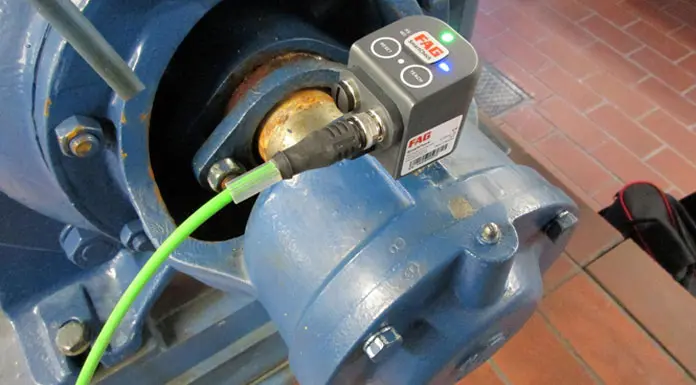
- Install sensors at strategic points, such as bearing housings and coupling locations.
- Establish baseline vibration readings for new or freshly aligned equipment.
- Regularly review vibration spectra and time waveforms for changes.
- Train maintenance staff to recognize misalignment signatures and interpret analysis results.
- Integrate vibration monitoring with other condition monitoring for manufacturing plants strategies for comprehensive asset health management.
Following these steps helps ensure early detection and effective correction of alignment issues.
Common Challenges and How to Overcome Them
While vibration analysis is powerful, there are challenges to consider:
- Distinguishing Misalignment from Other Faults: Some symptoms overlap with unbalance or looseness. Combining multiple analysis methods improves diagnostic accuracy.
- Sensor Placement: Incorrect sensor locations can lead to missed or misleading data. Always follow manufacturer guidelines for sensor installation.
- Data Interpretation: Misreading vibration patterns can result in unnecessary maintenance. Ongoing training and experience are key.
Leveraging automated analysis tools and consulting with experienced vibration analysts can help address these challenges.
Additional Resources for Vibration Analysis
For those seeking a deeper understanding of vibration-based diagnostics, consider exploring this comprehensive article on vibration analysis techniques. It covers a broad range of applications and provides practical tips for effective implementation.
FAQ: Shaft Misalignment and Vibration Analysis
What are the main signs of shaft misalignment in vibration data?
The most common indicators include elevated vibration at 1x and 2x running speed, the presence of higher harmonics, and irregular time waveform patterns. These features help differentiate misalignment from other machine faults.
How often should vibration analysis be performed for alignment monitoring?
Routine vibration monitoring is recommended, with frequency depending on equipment criticality. For critical assets, continuous or weekly monitoring is ideal, while less critical machines may be checked monthly or quarterly.
Can vibration analysis detect all types of misalignment?
Vibration techniques are highly effective for identifying parallel, angular, and combined misalignment. However, combining vibration analysis with other methods, such as laser alignment tools, provides the most comprehensive assessment.
Conclusion
Detecting shaft misalignment early is vital for reliable and efficient operation of rotating machinery. Vibration analysis provides a proven, non-invasive way to identify alignment issues before they cause major problems. By understanding the key shaft misalignment detection methods and implementing best practices, maintenance teams can protect assets, reduce costs, and ensure long-term plant performance.