

Bearings are essential components in countless machines, from industrial motors to conveyor belts and pumps. When they begin to fail, the earliest warning signs often come in the form of unusual vibrations and sounds. Recognizing bearing failure vibration symptoms early can help prevent costly downtime, equipment damage, and even safety hazards. This guide explains the most common indicators, how to interpret them, and why proactive monitoring is crucial for reliable operations.
Understanding and detecting these warning signs is especially important for maintenance teams and plant operators. For those working in specialized environments, such as manufacturing or processing plants, leveraging tools and strategies for vibration analysis for power plants can significantly improve asset reliability and reduce unplanned outages.
Understanding Vibration Patterns in Failing Bearings
Bearings are designed to minimize friction and allow smooth rotation. When they begin to degrade, the resulting changes in vibration patterns can be detected with the right equipment and expertise. These patterns are often the first sign that something is wrong, long before visible damage or catastrophic failure occurs.
Common vibration patterns associated with bearing issues include:
- Increased overall vibration amplitude – A general rise in vibration levels can indicate wear or imbalance.
- High-frequency vibrations – Defects in the rolling elements or raceways often produce high-frequency signals.
- Harmonics and sidebands – The presence of harmonics or sidebands in the vibration spectrum can point to specific types of bearing faults, such as inner or outer race defects.
Monitoring these changes is a key aspect of predictive maintenance. By identifying abnormal vibration signatures early, maintenance teams can schedule repairs before a minor issue becomes a major problem.

Key Signs and Sounds of Bearing Deterioration
Beyond vibration data, audible clues can also signal trouble. Some of the most common symptoms to watch and listen for include:
- Unusual noises – Grinding, squealing, or knocking sounds often accompany bearing wear or contamination.
- Temperature rise – Overheating can result from increased friction due to lubrication failure or excessive load.
- Irregular movement – Looseness or misalignment may cause erratic vibration and mechanical play.
These symptoms may be subtle at first, but they tend to worsen over time. Routine inspections and regular listening can help catch these issues before they escalate.
Common Causes Behind Abnormal Vibration in Bearings
Understanding what leads to these vibration symptoms can help with both diagnosis and prevention. The most frequent causes include:
- Lubrication problems – Insufficient or contaminated lubricant increases friction and accelerates wear.
- Contamination – Dirt, dust, or moisture inside the bearing can cause pitting and surface damage.
- Misalignment – Improper installation or shaft misalignment places uneven stress on the bearing.
- Overloading – Excessive loads or shock impacts can deform bearing components and alter vibration patterns.
- Fatigue – Over time, repeated stress cycles can cause cracks and spalling in the bearing surfaces.
Addressing these root causes through proper maintenance, installation, and operating practices is essential for extending bearing life and minimizing unplanned failures.
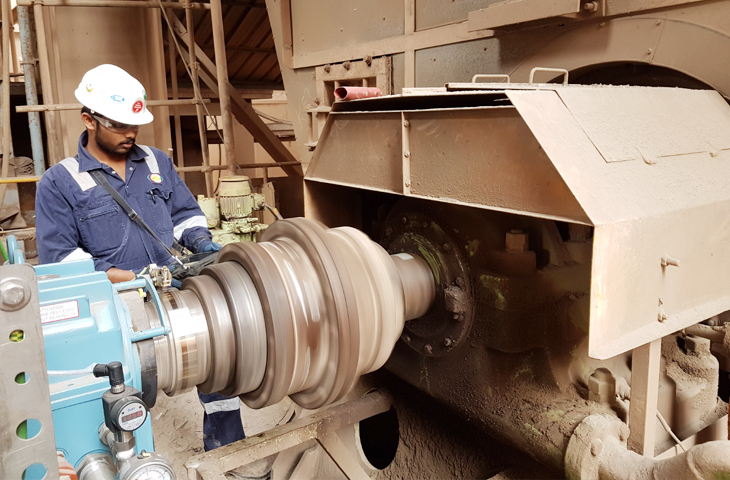
How to Detect and Diagnose Bearing Issues Using Vibration Analysis
Modern maintenance programs rely heavily on vibration analysis to pinpoint the early signs of bearing trouble. This technique involves measuring and interpreting vibration signals to identify specific fault types and their severity.
Key steps in vibration-based diagnostics include:
- Baseline measurement – Record normal vibration levels when equipment is healthy to establish a reference point.
- Regular monitoring – Use handheld or permanently installed sensors to track changes over time.
- Frequency analysis – Analyze the frequency spectrum to detect characteristic fault frequencies associated with bearing defects.
- Comparative analysis – Compare current readings with baseline and manufacturer specifications to assess deterioration.
For a deeper dive into the principles and applications of this technique, refer to resources like this comprehensive guide to vibration analysis.
Industry Applications and Best Practices
The importance of identifying and addressing vibration symptoms extends across many industries. Whether in energy production, pharmaceuticals, textiles, food processing, or mining, early detection of bearing problems is vital for uptime and safety.
For example, in sectors such as vibration analysis for pharmaceutical plants or vibration analysis for food processing equipment, compliance and product quality depend on reliable machinery. Similarly, vibration analysis for mining equipment helps prevent hazardous breakdowns underground, while vibration analysis for textile machinery ensures continuous production and minimal waste.
Best practices for managing bearing health include:
- Implementing a predictive maintenance program with regular vibration monitoring
- Training staff to recognize both audible and vibration-based warning signs
- Maintaining proper lubrication and cleanliness
- Ensuring correct installation and alignment of all rotating components
- Documenting and trending vibration data to spot emerging issues early
Frequently Asked Questions
What are the most common vibration symptoms of a failing bearing?
The most frequent indicators include increased overall vibration, high-frequency signals, and the presence of harmonics or sidebands in the vibration spectrum. These changes often point to wear, misalignment, or contamination inside the bearing.
How can I distinguish between normal and abnormal bearing vibrations?
Establishing a baseline vibration profile for healthy equipment is essential. Any significant deviation from this baseline—especially sudden spikes or the appearance of new frequencies—should be investigated. Regular monitoring and comparison with manufacturer guidelines help distinguish normal wear from early signs of failure.
Is vibration analysis the only way to detect bearing problems?
While vibration analysis is highly effective, it should be used alongside other methods such as temperature monitoring, lubrication checks, and audible inspections. Combining these approaches provides a more complete picture of bearing health and helps catch issues that might be missed by vibration data alone.