
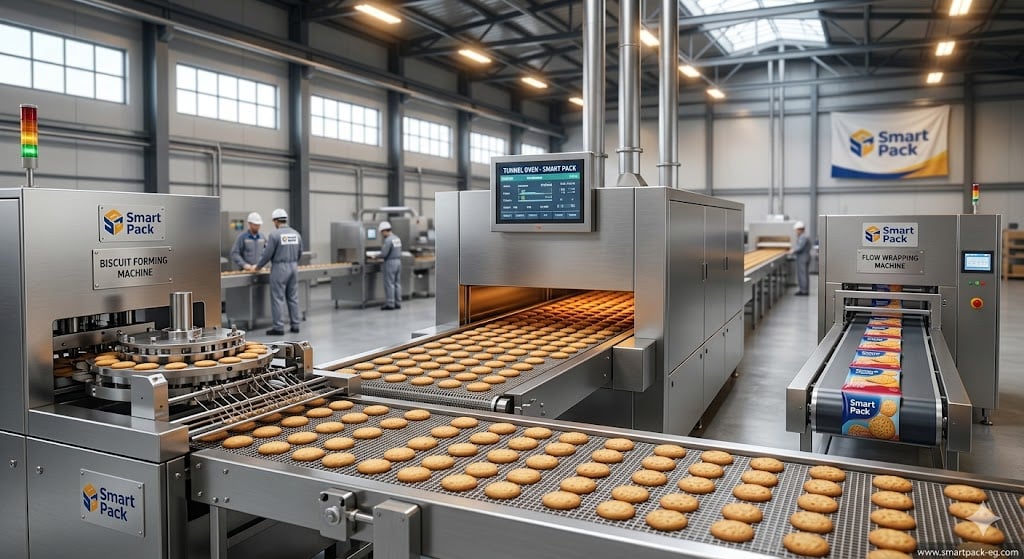
Precision in ingredient mixing is a cornerstone of quality and efficiency in food and beverage manufacturing, pharmaceuticals, and many other process-driven industries. As production lines become more complex and customer expectations rise, ensuring consistent product quality is more challenging than ever. This is where predictive tools for ingredient mixing are making a significant impact. By leveraging advanced analytics, machine learning, and real-time data, these solutions help manufacturers achieve higher accuracy, reduce waste, and optimize operations.
For organizations seeking to enhance their production reliability, integrating predictive technologies into mixing processes is no longer optional—it’s a competitive necessity. In this article, we’ll explore the most important advantages of adopting these digital solutions, how they transform day-to-day operations, and why they are rapidly becoming standard practice in modern facilities.
For those interested in broader strategies for operational efficiency, our guide on how to improve uptime on high-speed canning lines offers practical insights that complement the use of predictive technologies in ingredient management.
Understanding Predictive Solutions in Ingredient Mixing
Predictive tools in mixing environments use data from sensors, historical production records, and real-time monitoring to forecast outcomes and suggest adjustments before issues arise. These systems can detect subtle changes in ingredient properties, environmental conditions, or equipment performance that might otherwise go unnoticed. By analyzing this data, predictive algorithms help operators maintain optimal mixing conditions and prevent deviations that could compromise product quality.
Some common features of these solutions include:
- Automated recipe management and adjustment
- Real-time monitoring of ingredient flow and ratios
- Early detection of anomalies or process drift
- Integration with broader manufacturing execution systems

Key Advantages of Using Predictive Tools for Mixing Accuracy
Implementing predictive solutions in ingredient mixing delivers a range of tangible benefits. Below are some of the most impactful outcomes for manufacturers:
Enhanced Consistency and Product Quality
One of the most significant benefits of predictive tools for ingredient mixing is the ability to maintain consistent product quality. By continuously monitoring mixing parameters and ingredient proportions, these systems can make real-time adjustments to keep every batch within specification. This reduces the risk of human error and helps ensure that every product meets regulatory and customer standards.
Reduced Waste and Cost Savings
Over- or under-mixing can lead to wasted ingredients, rework, or even full batch disposal. Predictive analytics minimize these risks by identifying potential issues before they escalate. As a result, manufacturers can reduce material loss, save on raw ingredient costs, and improve their bottom line. The ability to optimize recipes and mixing times further enhances efficiency and resource utilization.
Improved Process Efficiency and Throughput
Predictive technologies streamline operations by automating many aspects of the mixing process. Operators receive actionable insights and alerts, enabling them to respond quickly to deviations or maintenance needs. This leads to fewer unplanned stoppages, faster changeovers, and higher overall throughput. For facilities running multiple product lines or frequent batch changes, these gains are especially valuable.
Supporting Compliance and Traceability
Regulatory compliance is a major concern in industries such as food, beverage, and pharmaceuticals. Predictive mixing tools support compliance by maintaining detailed records of ingredient usage, process adjustments, and batch outcomes. This data is invaluable for audits, traceability, and continuous improvement initiatives. In the event of a recall or quality concern, manufacturers can quickly identify affected batches and take targeted action.
Data-Driven Decision Making
With predictive analytics, decision-making moves from reactive to proactive. Managers and operators gain access to dashboards and reports that highlight trends, pinpoint recurring issues, and suggest process improvements. Over time, this data-driven approach leads to smarter investments in equipment, training, and process optimization.
Integrating Predictive Tools with Existing Systems
Modern predictive solutions are designed to integrate seamlessly with existing manufacturing execution systems (MES), supervisory control and data acquisition (SCADA) platforms, and enterprise resource planning (ERP) software. This interoperability ensures that data flows smoothly across the organization, supporting end-to-end visibility and control.
For example, facilities that have already invested in sensor networks or IoT infrastructure can leverage these assets to feed real-time data into predictive models. This not only maximizes the value of previous investments but also accelerates the adoption of advanced analytics throughout the production environment.

Real-World Applications and Industry Impact
Industries ranging from dairy processing to chemical manufacturing are seeing measurable improvements from predictive ingredient management. For example, food manufacturers can use these tools to ensure allergen control, optimize flavor profiles, and reduce batch-to-batch variability. In the pharmaceutical sector, precise mixing is critical for dosage accuracy and regulatory compliance.
For a deeper dive into how predictive technologies are transforming food processing, see this overview of predictive maintenance and AI in food manufacturing. These advancements are not only improving mixing accuracy but also enhancing equipment reliability and reducing downtime across the board.
Challenges and Considerations for Implementation
While the advantages are clear, implementing predictive tools does require careful planning. Key considerations include:
- Ensuring data quality and sensor calibration
- Training staff to interpret and act on predictive insights
- Integrating new software with legacy systems
- Protecting sensitive production data from cybersecurity threats
Organizations that address these challenges proactively are best positioned to realize the full potential of predictive ingredient management.
Future Trends in Predictive Ingredient Mixing
The evolution of predictive technologies is ongoing. As machine learning algorithms become more sophisticated and sensor technology advances, the accuracy and utility of these systems will only increase. Expect to see greater adoption of cloud-based analytics, remote monitoring, and AI-driven optimization in the coming years. These trends will further empower manufacturers to deliver high-quality products with less waste and greater efficiency.
For those interested in related innovations, our article on ways to optimize pasteurization using predictive logic explores how similar principles are being applied to other critical food processing steps.
Frequently Asked Questions
How do predictive tools improve ingredient mixing accuracy?
Predictive solutions use real-time data and advanced analytics to monitor mixing conditions, forecast potential deviations, and automatically adjust parameters. This ensures that ingredient ratios and mixing times remain within optimal ranges, reducing the risk of errors and improving consistency.
What industries benefit most from predictive ingredient management?
While food and beverage manufacturing are leading adopters, any industry that relies on precise mixing—including pharmaceuticals, chemicals, and cosmetics—can benefit from these technologies. The ability to ensure batch consistency and reduce waste is valuable across many sectors.
Are predictive mixing tools difficult to integrate with existing systems?
Most modern predictive solutions are designed for compatibility with common manufacturing execution and automation platforms. However, successful integration depends on data quality, sensor infrastructure, and staff training. Working with experienced vendors and investing in employee education can ease the transition.
Conclusion
Adopting predictive tools for ingredient mixing is a strategic move for manufacturers seeking to enhance quality, reduce costs, and stay competitive in a demanding marketplace. By leveraging real-time data and advanced analytics, organizations can achieve greater consistency, minimize waste, and respond proactively to process challenges. As these technologies continue to evolve, their role in driving operational excellence will only grow.