
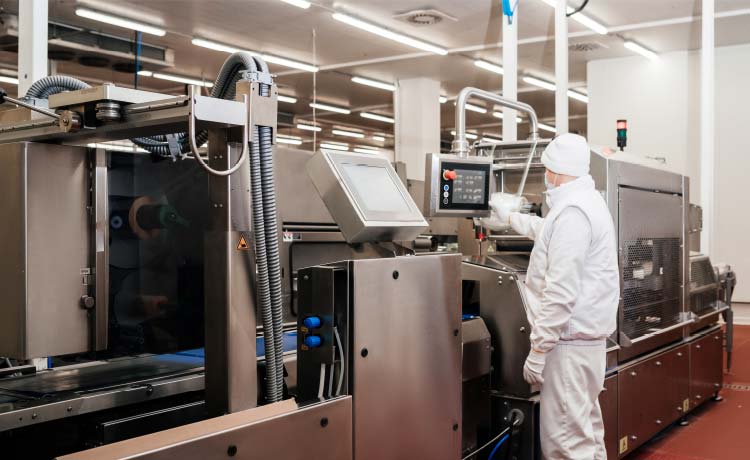
Maintaining consistent food quality is a top priority for producers in the beverage, dairy, and processed food industries. One of the most effective ways to achieve this is through real-time Brix monitoring, a technology that measures the sugar content in liquid products as they move through production lines. This approach allows manufacturers to identify variations instantly, make immediate adjustments, and ensure every batch meets strict quality standards.
Traditionally, Brix measurements were taken manually, often requiring samples to be sent to a lab. This process was time-consuming and prone to delays, which could lead to wasted product or inconsistent results. The shift to continuous, in-line monitoring has transformed quality control, offering a host of advantages for both food safety and operational efficiency.
For those interested in related process monitoring topics, you may also want to explore ways to monitor heat exchanger fouling in food processing, which complements the strategies discussed here.
Understanding Brix and Its Role in Food Production
Brix is a unit that represents the percentage of dissolved solids, primarily sugars, in a liquid solution. In the food and beverage sector, Brix readings are crucial for products like juices, soft drinks, dairy, sauces, and syrups. These measurements help ensure that the taste, texture, and nutritional content remain consistent from batch to batch.
By implementing continuous Brix measurement systems, manufacturers can monitor sugar concentrations in real time, reducing the risk of off-spec products reaching consumers. This not only protects brand reputation but also minimizes costly recalls and waste.
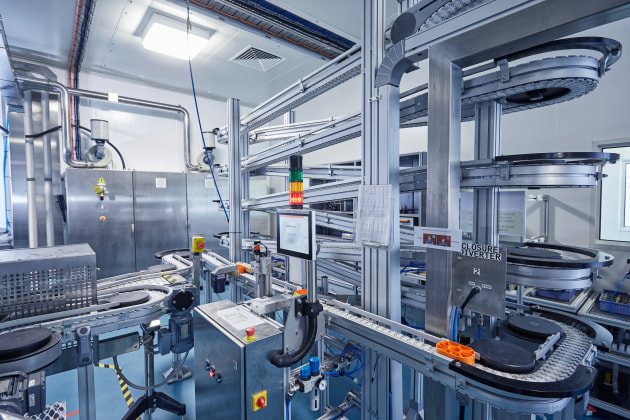
How Real-Time Brix Monitoring Works
Modern in-line Brix sensors are installed directly into production pipelines. These devices use optical, ultrasonic, or refractometric technology to measure the concentration of dissolved solids as the product flows by. The data is transmitted instantly to control systems, where it can be visualized, recorded, and used to trigger automated adjustments.
This approach eliminates the need for manual sampling and laboratory analysis, significantly reducing the time between detection of a deviation and corrective action. It also enables more consistent product quality and greater process transparency.
Top Advantages of Continuous Brix Measurement
There are several compelling reasons why food and beverage manufacturers are adopting real-time Brix monitoring solutions:
- Improved Product Consistency: By continuously tracking sugar content, producers can ensure every bottle, carton, or package meets the expected taste and texture profile.
- Faster Response to Deviations: Immediate feedback allows operators to adjust recipes or process parameters on the fly, preventing large batches of off-spec product.
- Reduced Waste and Rework: Early detection of anomalies means less product is discarded or reprocessed, saving both raw materials and energy.
- Enhanced Food Safety: Consistent Brix levels help maintain the correct balance of ingredients, reducing the risk of microbial growth or spoilage.
- Regulatory Compliance: Automated records of Brix values support traceability and help demonstrate adherence to food safety standards.
- Labor Efficiency: With less need for manual sampling and analysis, staff can focus on higher-value tasks, improving overall productivity.
Boosting Efficiency and Reducing Costs
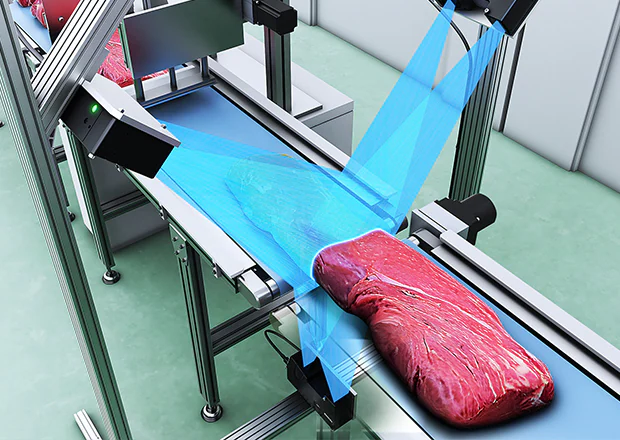
One of the most significant benefits of real-time Brix monitoring is its impact on operational efficiency. By automating the quality control process, manufacturers can reduce the frequency of production stops, minimize product losses, and streamline changeovers between product types.
For example, when switching from one flavor or formulation to another, in-line Brix sensors can confirm when the new product has fully replaced the previous one, minimizing mixing and ensuring accurate labeling. This reduces both waste and the risk of cross-contamination.
Additionally, real-time data can be integrated with predictive maintenance systems to further optimize equipment performance. For more on this topic, see this overview of predictive maintenance for food processing with AI.
Supporting Traceability and Compliance
Food safety regulations require detailed documentation of production parameters. Automated Brix monitoring systems generate continuous records that can be easily retrieved for audits or regulatory reviews. This not only simplifies compliance but also enhances transparency throughout the supply chain.
In the event of a quality issue or recall, having access to historical Brix data helps pinpoint the source of the problem quickly, reducing investigation time and potential liability.
Integrating Brix Monitoring with Other Process Controls
Modern food production facilities often use a combination of sensors and automation platforms to manage quality and efficiency. In-line Brix measurement can be integrated with other monitoring solutions, such as temperature, pH, and viscosity sensors, to provide a comprehensive view of the process.
For those looking to further enhance their monitoring capabilities, you might be interested in learning how to predict pump cavitation in liquid lines or how to track motor current for anomaly detection. These approaches, combined with Brix monitoring, can help create a robust, data-driven production environment.
Challenges and Considerations
While the advantages are clear, implementing real-time Brix measurement does require careful planning. Sensor selection, installation, calibration, and integration with existing control systems must be tailored to the specific product and process. Factors such as temperature, flow rate, and the presence of particulates can affect measurement accuracy.
Regular maintenance and validation are essential to ensure reliable operation. Training staff to interpret data and respond appropriately is also critical for maximizing the value of the investment.
Frequently Asked Questions
What types of food products benefit most from real-time Brix monitoring?
This technology is particularly valuable for products where sugar content directly affects quality, such as juices, soft drinks, dairy beverages, sauces, jams, and syrups. It can also be used in other liquid or semi-liquid foods where dissolved solids are a key quality parameter.
How does real-time Brix monitoring improve food safety?
By ensuring that sugar concentrations remain within specified limits, continuous monitoring helps prevent conditions that could promote microbial growth or spoilage. It also supports accurate ingredient dosing, which is important for allergen management and regulatory compliance.
Can Brix monitoring systems be retrofitted to existing production lines?
Yes, many modern Brix sensors are designed for easy integration with existing equipment. However, it is important to assess compatibility with current process controls and ensure proper installation to achieve accurate and reliable measurements.
Conclusion
Adopting real-time Brix monitoring offers substantial benefits for food and beverage manufacturers aiming to improve product quality, boost efficiency, and meet regulatory requirements. By enabling immediate detection and correction of deviations, these systems help ensure that every batch meets the highest standards, while also reducing waste and supporting traceability. As consumer expectations and regulatory demands continue to rise, investing in advanced process monitoring technologies is becoming essential for staying competitive in the food industry.