
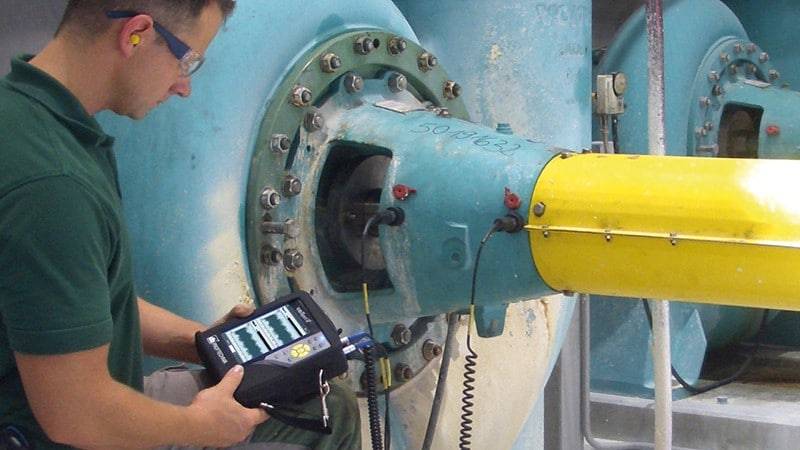
Effective vibration monitoring is essential for maintaining the health and reliability of industrial equipment. By following best practices for vibration monitoring, facilities can detect mechanical issues early, reduce unplanned downtime, and extend asset life. This guide explores proven strategies, key considerations, and actionable steps to help you implement a robust vibration monitoring program tailored to your facility’s needs.
For those interested in sector-specific approaches, you can find more details in our resource on vibration analysis for power plants, which highlights monitoring strategies for critical assets in the energy sector.
Why Vibration Monitoring Matters in Industrial Settings
Industrial machinery is subject to constant stress, wear, and environmental factors that can lead to mechanical faults. Vibration monitoring provides early warning signals for issues such as imbalance, misalignment, looseness, and bearing failures. By identifying these problems before they escalate, maintenance teams can take proactive measures, minimizing costly repairs and production losses.
Implementing a comprehensive vibration monitoring program also supports predictive maintenance strategies, helping facilities transition from reactive to condition-based maintenance. This shift not only improves equipment reliability but also optimizes maintenance resources and enhances workplace safety.
Key Elements of an Effective Vibration Monitoring Program
To achieve reliable results, it’s important to follow best practices for vibration monitoring throughout the lifecycle of your program. Consider the following core elements:
- Asset Selection: Prioritize critical equipment that has the greatest impact on production, safety, or maintenance costs.
- Sensor Placement: Install sensors at locations where vibration data will be most representative of machine health, such as bearing housings or structural supports.
- Data Collection Frequency: Determine appropriate intervals for data collection based on asset criticality, operational cycles, and failure modes.
- Data Quality: Ensure proper sensor installation, calibration, and signal integrity to avoid misleading results.
- Analysis and Interpretation: Use trending, spectral analysis, and alarm thresholds to identify abnormal patterns and diagnose root causes.
Choosing the Right Vibration Monitoring Technology
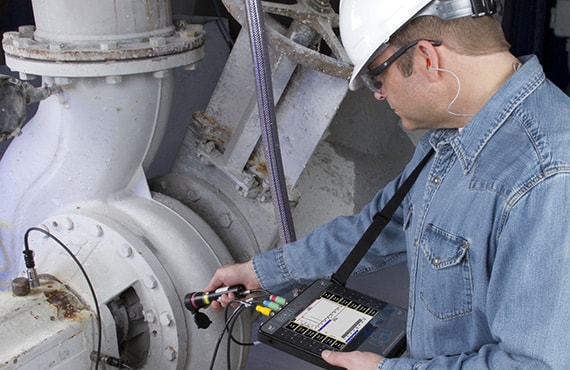
There are several types of vibration monitoring systems available, ranging from portable data collectors to permanently installed online systems. The choice depends on the facility’s size, asset criticality, and maintenance objectives.
- Portable Analyzers: Suitable for periodic checks and troubleshooting, these devices are cost-effective for smaller facilities or less critical assets.
- Online Monitoring Systems: Permanently installed sensors provide continuous data, ideal for high-value or hard-to-access equipment.
- Wireless Sensors: Offer flexibility and scalability, especially in areas where wiring is impractical.
- Integrated Solutions: Some modern platforms combine vibration data with other condition monitoring parameters (temperature, pressure, etc.) for a holistic view.
For a deeper dive into interpreting vibration data, our machine vibration data interpretation guide offers practical field advice for maintenance professionals.
Implementing Best Practices for Vibration Monitoring
To maximize the benefits of a vibration monitoring program, it’s important to establish clear procedures and maintain consistency. Here are several actionable recommendations:
- Develop Standard Operating Procedures (SOPs): Document how and when measurements are taken, sensor locations, and data analysis protocols.
- Train Personnel: Ensure maintenance and reliability teams are trained in both the use of monitoring equipment and the interpretation of results.
- Set Alarm Thresholds: Establish baseline vibration levels for each asset and configure alarms for deviations, enabling timely intervention.
- Trend Data Over Time: Use software tools to track vibration trends, helping to distinguish between normal wear and emerging faults.
- Integrate with Maintenance Planning: Link vibration findings to work order systems, enabling data-driven maintenance scheduling.
Common Challenges and How to Overcome Them
While the benefits of vibration monitoring are clear, several challenges can hinder program success:
- False Alarms: Poor sensor installation or environmental interference can cause misleading readings. Regular calibration and proper mounting are essential.
- Data Overload: Large volumes of data can overwhelm teams. Focus on actionable insights and automate reporting where possible.
- Lack of Buy-In: Without support from leadership or operators, monitoring programs may not be sustained. Demonstrate ROI through documented case studies and cost savings.
- Integration Issues: Ensure compatibility between vibration monitoring systems and existing maintenance software for seamless workflow.
For those in specialized industries, such as food processing or textiles, tailored approaches are available. Explore our articles on vibration analysis for food processing equipment and vibration analysis for textile machinery for sector-specific insights.
Leveraging Data for Predictive Maintenance
One of the main advantages of following best practices for vibration monitoring is the ability to shift from reactive to predictive maintenance. By analyzing vibration trends and correlating them with operational data, facilities can:
- Forecast potential failures and schedule repairs before breakdowns occur.
- Optimize spare parts inventory based on actual equipment condition.
- Reduce unnecessary maintenance tasks, focusing resources where they are most needed.
- Improve overall equipment effectiveness (OEE) and plant productivity.
To further enhance your predictive maintenance strategy, consider integrating vibration monitoring with industrial IoT maintenance applications for real-time insights and automated alerts.
Resources for Further Learning
For a comprehensive overview of vibration analysis principles and techniques, the complete guide to vibration analysis provides in-depth explanations, practical examples, and troubleshooting tips from industry experts.
Frequently Asked Questions
What are the main benefits of vibration monitoring in industrial facilities?
Vibration monitoring helps detect mechanical issues early, reduces unplanned downtime, extends equipment life, and supports predictive maintenance. It also improves safety and optimizes maintenance planning by providing actionable data on machine health.
How often should vibration data be collected?
The frequency of data collection depends on asset criticality, operational cycles, and failure risk. Critical equipment may require continuous monitoring, while less critical assets can be checked weekly or monthly. Establishing a data collection schedule as part of your monitoring program is recommended.
What should I do if vibration levels exceed alarm thresholds?
When vibration levels exceed set thresholds, investigate the root cause promptly. Check for common issues such as imbalance, misalignment, or bearing wear. Use historical data and spectral analysis to diagnose the problem and plan corrective maintenance before a failure occurs.