
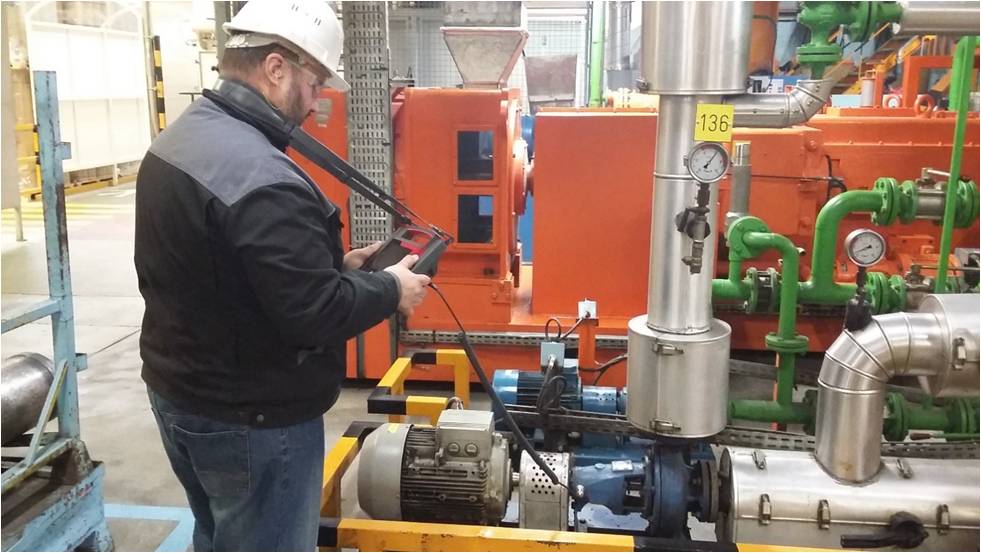
Choosing the best tools for vibration analysis is essential for professionals who maintain industrial equipment, monitor machinery health, or ensure operational reliability. The right instruments help detect early signs of wear, misalignment, imbalance, and other mechanical issues—preventing costly downtime and ensuring safety. This guide explores the most effective vibration analysis equipment, the features that matter, and how to select the right solution for your specific needs.
Vibration analysis is widely used across industries such as manufacturing, power generation, mining, pharmaceuticals, and food processing. Each sector has unique requirements, but the core principles of accurate measurement, data interpretation, and actionable insights remain the same. For those interested in sector-specific applications, you can learn more about vibration analysis for power plants and its impact on critical asset monitoring.
Understanding Vibration Analysis and Its Importance
Vibration analysis is a predictive maintenance technique that measures oscillations in machinery to identify potential faults. By analyzing vibration patterns, professionals can detect issues such as bearing failures, shaft misalignment, and unbalanced components before they escalate into major problems. This proactive approach reduces unplanned outages, extends equipment lifespan, and improves overall plant efficiency.
Modern vibration analysis tools offer advanced features like real-time monitoring, wireless connectivity, and automated diagnostics. Selecting the right device depends on the complexity of your assets, the environment, and the level of detail required in your analysis.
Key Features to Look for in Vibration Analysis Equipment
When evaluating vibration analysis tools, consider the following essential features to ensure you make an informed investment:
- Frequency Range: The tool should cover the frequency spectrum relevant to your machinery. A broader range allows for detection of various fault types.
- Accuracy and Sensitivity: High-precision sensors provide more reliable data, especially for early fault detection.
- Data Storage and Connectivity: Look for devices with ample onboard memory and options for wireless or USB data transfer to streamline reporting and analysis.
- Ease of Use: Intuitive interfaces, clear displays, and guided workflows help reduce training time and minimize user error.
- Portability and Durability: Rugged, lightweight designs are ideal for fieldwork and harsh industrial environments.
- Software Integration: Compatibility with analysis software enables advanced diagnostics, trending, and reporting.
Top Categories of Vibration Analysis Tools
There are several types of equipment available for vibration monitoring and diagnostics. Here’s an overview of the most common categories:
Handheld Vibration Meters
Handheld meters are compact, user-friendly devices designed for quick spot checks and basic diagnostics. They are ideal for maintenance teams needing to perform routine inspections without complex setup. Features often include single-axis or triaxial sensors, basic fault indicators, and simple data logging capabilities.

Portable Vibration Analyzers
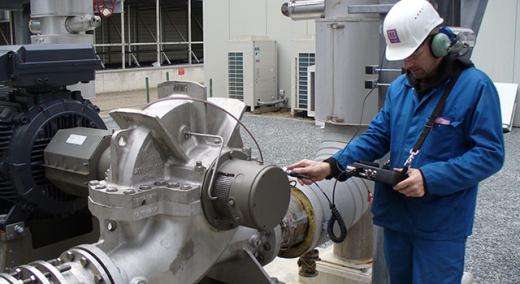
Portable analyzers offer more advanced measurement and diagnostic capabilities compared to basic meters. They typically support multi-channel input, advanced FFT (Fast Fourier Transform) analysis, and detailed reporting. These devices are suitable for in-depth troubleshooting, route-based data collection, and periodic condition monitoring.
Online Vibration Monitoring Systems
For critical assets or environments where continuous monitoring is essential, online systems provide real-time data collection and automated alerts. These setups use permanently installed sensors connected to a central data acquisition unit, often integrated with plant control systems. Online monitoring is common in power plants, refineries, and other facilities where equipment failure can have significant consequences.
Comparing the Best Tools for Vibration Analysis
To help you evaluate your options, here’s a comparison of the main tool categories and their typical applications:
| Tool Type | Best For | Key Advantages | Considerations |
|---|---|---|---|
| Handheld Meters | Routine checks, small teams | Portable, easy to use, affordable | Limited diagnostics, basic data |
| Portable Analyzers | Detailed troubleshooting, trending | Advanced analysis, multi-channel, reporting | Higher cost, requires training |
| Online Monitoring | Critical assets, 24/7 monitoring | Continuous data, automated alerts | Complex installation, higher investment |
Industry Applications and Specialized Solutions
Different industries demand tailored vibration monitoring solutions. For example, in mining, rugged analyzers are needed to withstand dust and vibration extremes. Pharmaceutical plants may require compliance-ready systems with strict documentation and validation features. Food processing environments benefit from hygienic, easy-to-clean sensors. If you’re interested in sector-specific guidance, explore resources on vibration analysis for mining equipment or vibration analysis for pharmaceutical plants for more details.
How to Select the Right Vibration Analysis Tool
Choosing the optimal solution involves balancing technical requirements, budget, and long-term maintenance goals. Here are some practical steps for making the right choice:
- Assess Your Needs: Identify the types of equipment you’ll monitor, the frequency of inspections, and the level of diagnostic detail required.
- Evaluate Features: Prioritize features like frequency range, sensor type, data connectivity, and software compatibility based on your workflow.
- Consider Training and Support: Select vendors that offer comprehensive training, technical support, and regular software updates.
- Review Industry References: Look for case studies or testimonials from similar operations to gauge real-world performance and reliability.
- Plan for Scalability: If your monitoring program may expand, choose tools that can grow with your needs, such as modular analyzers or systems with upgrade paths.
For a deeper dive into the fundamentals and advanced practices, you can consult this comprehensive vibration analysis resource that covers both equipment and methodology.
Best Practices for Implementing Vibration Monitoring Programs
Once you’ve selected your equipment, successful implementation is key to realizing the full benefits of predictive maintenance. Here are some best practices:
- Standardize Measurement Points: Use consistent locations and procedures for data collection to ensure comparability over time.
- Establish Baselines: Record initial vibration signatures for each asset to detect deviations and trends.
- Automate Data Analysis: Leverage software tools for automated fault detection, trending, and reporting to reduce manual workload.
- Integrate with Maintenance Systems: Connect vibration data with your CMMS (Computerized Maintenance Management System) for streamlined work order generation and asset history tracking.
- Train Your Team: Ensure all users are proficient in both hardware operation and data interpretation to maximize value.
Frequently Asked Questions
What are the most important features in vibration analysis equipment?
The most critical features include a wide frequency range, high sensor accuracy, robust data storage, intuitive user interface, and compatibility with advanced analysis software. Durability and portability are also important for field applications.
How often should vibration measurements be taken?
The ideal frequency depends on equipment criticality and operating conditions. For essential machinery, continuous or weekly monitoring is recommended. Less critical assets may only require monthly or quarterly checks.
Can vibration analysis tools detect all types of mechanical faults?
While vibration analysis is highly effective for detecting issues like imbalance, misalignment, and bearing defects, some faults may require complementary techniques such as thermography or ultrasonic testing for comprehensive diagnostics.
Conclusion
Investing in the best tools for vibration analysis is a strategic decision that pays dividends in reliability, safety, and operational efficiency. By understanding your specific requirements, evaluating available technologies, and following best practices, you can build a robust condition monitoring program tailored to your industry. Whether you’re managing power plants, mining equipment, or food processing lines, the right vibration analysis solution empowers you to make data-driven maintenance decisions and protect your most valuable assets.