

Choosing the best vibration sensors for manufacturing is a crucial step toward ensuring equipment reliability, reducing downtime, and improving overall plant efficiency. With the right sensor technology, manufacturers can detect early signs of mechanical issues, prevent costly breakdowns, and optimize maintenance schedules. This guide explores the key considerations, sensor types, and leading options available for industrial environments.
For those interested in sector-specific solutions, you may also find value in exploring vibration analysis for power plants to understand how monitoring strategies differ across industries.
Why Vibration Monitoring Matters in Industrial Settings
Vibration monitoring is a cornerstone of predictive maintenance in manufacturing. By continuously tracking the vibration levels of machinery, maintenance teams can identify abnormal patterns that signal wear, imbalance, misalignment, or bearing failures. Early detection allows for timely interventions, minimizing unplanned outages and extending asset life.
Industries such as automotive, food processing, pharmaceuticals, and mining rely heavily on vibration analysis to maintain uptime and comply with safety standards. For example, vibration analysis for food processing equipment is critical for ensuring both safety and operational continuity.
Key Features to Look for in Industrial Vibration Sensors
When evaluating options for vibration sensors in manufacturing, several features set high-quality devices apart:
- Measurement Range: The sensor should accommodate the expected vibration amplitudes and frequencies of your equipment.
- Accuracy and Sensitivity: High sensitivity ensures even minor changes are detected, while accuracy guarantees reliable data.
- Environmental Robustness: Sensors must withstand harsh conditions, including temperature extremes, humidity, dust, and vibration shock.
- Output Type: Consider whether you need analog, digital, or wireless outputs for integration with your monitoring systems.
- Mounting Options: The sensor should be easy to install and compatible with your machinery’s design.
- Certification and Compliance: Look for certifications relevant to your industry, such as ATEX for explosive environments or FDA compliance for food and pharma.
Types of Vibration Sensors Used in Manufacturing
There are several sensor technologies commonly used for monitoring vibration in industrial environments:
- Piezoelectric Accelerometers: These are the most widely used sensors for industrial vibration monitoring. They offer high sensitivity, broad frequency response, and durability.
- MEMS Accelerometers: Micro-Electro-Mechanical Systems (MEMS) are compact, cost-effective, and suitable for wireless and embedded applications.
- Velocity Sensors: Ideal for measuring lower-frequency vibrations, often used in large rotating machinery.
- Displacement Sensors: Used for detecting shaft movement or misalignment in specific applications.

Top Considerations for Selecting the Best Vibration Sensors for Manufacturing
To ensure you choose the most suitable sensor, consider the following:
- Application Requirements: Define the machinery and processes you need to monitor. High-speed motors may require different sensors than slow-moving conveyors.
- Data Integration: Ensure the sensor can communicate with your existing condition monitoring or SCADA systems.
- Maintenance and Calibration: Opt for sensors with low maintenance needs and straightforward calibration procedures.
- Cost and ROI: Balance upfront investment with the potential savings from reduced downtime and maintenance costs.
- Supplier Support: Reliable technical support and documentation are essential for smooth implementation and troubleshooting.
Leading Sensor Brands and Models for Industrial Use
Several manufacturers are recognized for producing reliable vibration sensors tailored for manufacturing environments. While the right choice depends on your specific needs, some leading brands include:
- Wilcoxon Sensing Technologies: Known for robust piezoelectric accelerometers suitable for harsh industrial conditions.
- Hansford Sensors: Offers a wide range of industrial accelerometers, including ATEX-certified models for hazardous areas.
- SKF: Provides integrated vibration monitoring solutions with a focus on predictive maintenance and asset reliability.
- PCB Piezotronics: Specializes in high-precision sensors for both general and specialized industrial applications.
- STMicroelectronics: A leader in MEMS accelerometers for wireless and IoT-enabled monitoring.
When comparing models, review technical datasheets for measurement range, frequency response, mounting options, and compatibility with your monitoring infrastructure.
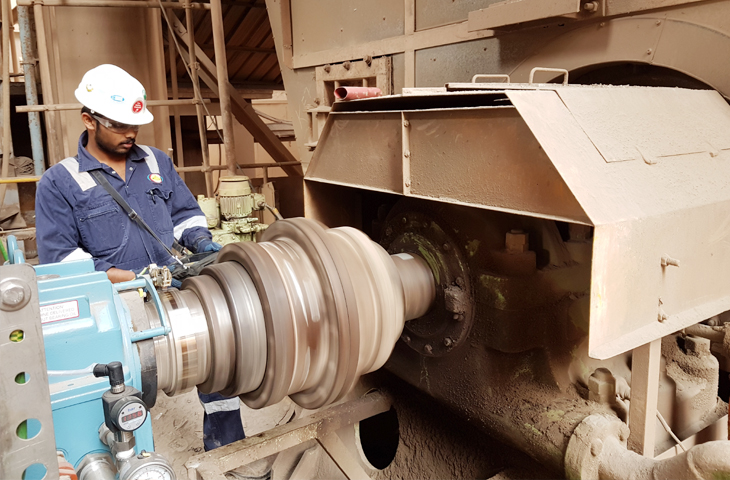
Integrating Vibration Sensors into Manufacturing Operations
Successful implementation involves more than just selecting the right sensor. Consider these best practices:
- Strategic Placement: Install sensors at critical points, such as bearing housings, motor mounts, and gearboxes, to capture meaningful data.
- Regular Data Analysis: Use software tools to trend vibration data, set alarm thresholds, and automate alerts for abnormal conditions.
- Staff Training: Ensure maintenance teams understand how to interpret sensor readings and respond to early warning signs.
- Continuous Improvement: Periodically review sensor performance and adjust monitoring strategies based on operational feedback.
For more on how vibration analysis supports reliability in specific sectors, you might explore resources like vibration analysis for mining equipment or vibration analysis for pharmaceutical plants.
Benefits of Using Advanced Vibration Monitoring Solutions
Deploying the latest sensor technology delivers several advantages:
- Reduced Downtime: Early fault detection enables planned maintenance, avoiding unexpected shutdowns.
- Lower Maintenance Costs: Condition-based maintenance reduces unnecessary interventions and extends asset life.
- Improved Safety: Monitoring critical assets helps prevent catastrophic failures and enhances workplace safety.
- Data-Driven Decisions: Continuous monitoring provides actionable insights for optimizing operations and resource allocation.
For a deeper technical overview, the vibration analysis FAQ from TWI Global offers a comprehensive look at principles, techniques, and industry applications.
Common Challenges and How to Overcome Them
While the advantages are clear, manufacturers may encounter some challenges when deploying vibration sensors:
- Environmental Interference: Electromagnetic noise, temperature fluctuations, and physical obstructions can affect sensor accuracy. Choose sensors with appropriate shielding and environmental ratings.
- Data Overload: Large volumes of data can overwhelm teams. Use analytics software to filter and prioritize actionable alerts.
- Integration Complexity: Legacy systems may require adapters or gateways for sensor integration. Work with vendors who offer strong technical support and flexible solutions.
FAQ: Vibration Sensors in Manufacturing
What are the main types of vibration sensors used in industrial environments?
The most common types are piezoelectric accelerometers, MEMS accelerometers, velocity sensors, and displacement sensors. Each type has specific strengths depending on the application, such as frequency range, sensitivity, and environmental durability.
How do I determine the best sensor for my manufacturing equipment?
Start by assessing your machinery’s vibration characteristics, environmental conditions, and integration needs. Review technical specifications for measurement range, frequency response, and output type. Consulting with sensor manufacturers can also help match the right product to your requirements.
Can vibration sensors help reduce maintenance costs?
Yes, by enabling predictive maintenance, vibration sensors help identify issues before they lead to major failures. This reduces unplanned downtime, minimizes repair costs, and extends the lifespan of critical assets.
Conclusion
Investing in the best vibration sensors for manufacturing is a strategic move for any plant focused on reliability, efficiency, and safety. By understanding the different sensor types, key features, and integration strategies, manufacturers can make informed decisions that drive operational excellence. Whether you’re upgrading an existing system or deploying sensors for the first time, prioritize quality, compatibility, and support to maximize your return on investment.