
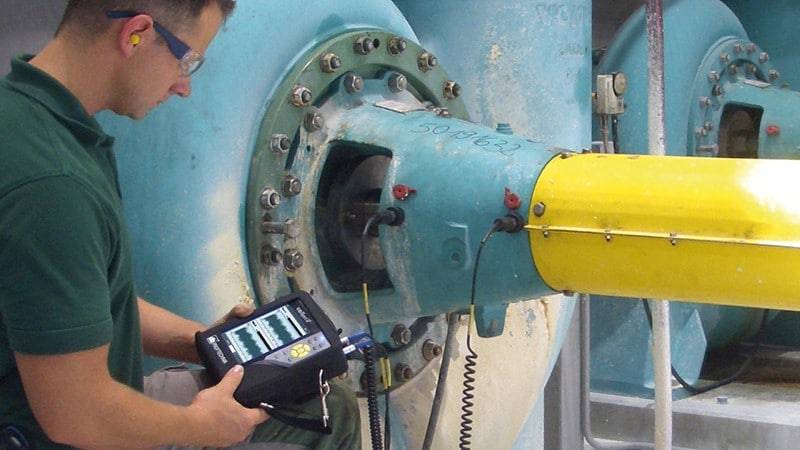
The manufacturing sector is entering a new era, driven by rapid advances in automation and digitalization. As we approach 2025, organizations are rethinking how they manage equipment reliability, reduce downtime, and optimize operational costs. Factory maintenance automation trends are at the center of this transformation, blending predictive analytics, smart sensors, and AI-driven platforms to create more resilient and efficient production environments.
Staying ahead of these changes is crucial for plant managers, maintenance engineers, and decision-makers who want to maximize asset performance and minimize unplanned outages. In this article, we’ll explore the most significant developments shaping the future of automated maintenance, highlight practical applications, and provide insights into how these innovations are being adopted across industries.
For those interested in specialized applications, such as monitoring critical assets in power generation, the article on vibration analysis for power plants offers a closer look at how automated diagnostics are being deployed to protect essential infrastructure.
Key Drivers Behind Automated Maintenance in Factories
Several factors are accelerating the adoption of automation in industrial maintenance. The need to improve uptime, address skilled labor shortages, and manage increasingly complex machinery has made traditional reactive maintenance strategies less viable. Instead, factories are investing in technologies that enable proactive and predictive approaches.
- Data-driven decision making: The proliferation of IoT sensors and connected devices allows for real-time monitoring of equipment health, enabling faster and more accurate maintenance interventions.
- Artificial intelligence and machine learning: AI-powered analytics platforms can detect subtle patterns in equipment behavior, predicting failures before they occur and optimizing maintenance schedules.
- Remote monitoring and diagnostics: With cloud-based solutions, maintenance teams can access asset data from anywhere, reducing the need for on-site inspections and enabling faster troubleshooting.
- Integration with enterprise systems: Automated maintenance platforms increasingly connect with ERP, MES, and supply chain systems, streamlining work order management and spare parts logistics.
Emerging Technologies Shaping Maintenance Automation
The landscape of factory maintenance automation trends is evolving rapidly, with several key technologies poised to make a significant impact in 2025.
Predictive Maintenance and Condition Monitoring
Predictive maintenance leverages sensor data and analytics to forecast equipment failures and schedule interventions only when needed. This approach minimizes unnecessary maintenance, reduces costs, and extends asset life. Condition monitoring tools, such as vibration analysis, thermal imaging, and oil analysis, are now being integrated with AI to provide deeper insights.
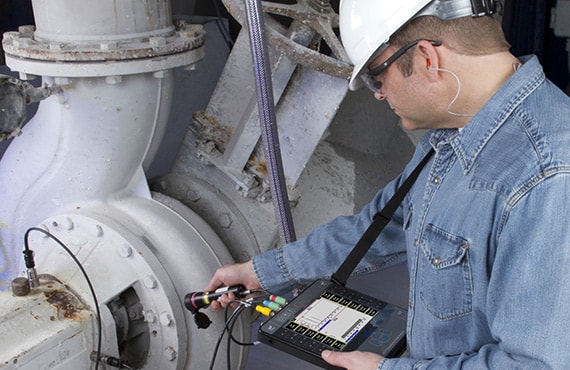
For a comprehensive overview of how vibration analysis supports predictive maintenance, the complete guide to vibration analysis explains the principles, benefits, and practical applications in industrial settings.
Industrial IoT and Smart Sensors
The Industrial Internet of Things (IIoT) is a cornerstone of modern maintenance automation. Smart sensors continuously collect data on temperature, vibration, pressure, and other critical parameters. This information is transmitted to centralized platforms where it is analyzed for anomalies and trends. As sensor technology becomes more affordable and reliable, even small and mid-sized factories can implement sophisticated monitoring systems.
To see how IIoT is transforming maintenance strategies, explore the article on industrial IoT maintenance applications for real-world examples and best practices.
AI-Driven Analytics and Digital Twins
Artificial intelligence is enabling a new level of automation in maintenance planning and execution. Machine learning algorithms process vast amounts of historical and real-time data, identifying early warning signs of equipment degradation. Digital twins—virtual replicas of physical assets—allow engineers to simulate scenarios, test maintenance strategies, and optimize performance without disrupting operations.
Benefits of Adopting Automated Maintenance Solutions
Embracing automation in factory maintenance brings a range of tangible benefits:
- Reduced unplanned downtime: Predictive tools help prevent unexpected failures, keeping production lines running smoothly.
- Lower maintenance costs: Targeted interventions reduce labor hours and spare parts usage.
- Improved asset reliability: Continuous monitoring and early detection extend equipment lifespan.
- Enhanced safety: Automated alerts and remote diagnostics minimize the need for manual inspections in hazardous environments.
- Data-driven insights: Maintenance teams gain actionable intelligence to optimize schedules and resource allocation.
Challenges and Considerations for Implementation
While the advantages are clear, transitioning to automated maintenance is not without challenges. Factories must address several key considerations to ensure a successful rollout:
- Integration with legacy systems: Many plants operate with a mix of old and new equipment, making seamless data integration a technical hurdle.
- Data security and privacy: The increased connectivity of IIoT devices raises concerns about cybersecurity and data protection.
- Change management: Shifting from reactive to predictive maintenance requires cultural change, staff training, and buy-in from all levels of the organization.
- Initial investment: Upfront costs for sensors, software, and infrastructure can be significant, though long-term savings often justify the expense.
Industry Applications and Use Cases
Automated maintenance is being adopted across a wide range of industries, each with unique requirements and challenges. For example, in the textile sector, vibration analysis for textile machinery is helping to keep looms running efficiently and avoid costly breakdowns. In food processing, automated monitoring ensures both uptime and safety, as detailed in the article on vibration analysis for food processing equipment.
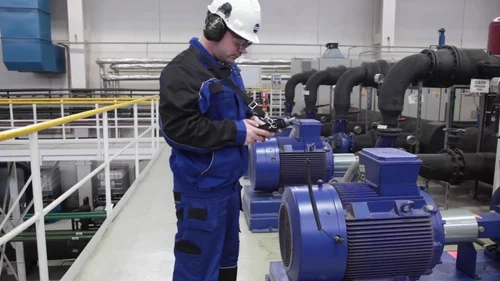
Other sectors, such as oil and gas, pharmaceuticals, and automotive manufacturing, are also leveraging automated diagnostics and predictive tools to maintain high standards of quality and reliability.
Best Practices for Adopting Maintenance Automation
Organizations looking to implement the latest factory maintenance automation trends should consider the following best practices:
- Start with critical assets: Focus initial efforts on machinery that has the highest impact on production and costs.
- Leverage existing data: Use historical maintenance records and sensor data to train AI models and refine predictive algorithms.
- Invest in staff training: Equip maintenance teams with the skills needed to interpret data and operate new technologies. Resources like machine vibration data interpretation guides can be valuable for upskilling personnel.
- Prioritize interoperability: Choose solutions that integrate with existing enterprise systems to avoid data silos and maximize ROI.
- Monitor and optimize: Continuously assess the performance of automated systems and adjust strategies based on real-world results.
FAQ: Factory Maintenance Automation in 2025
What are the main benefits of automating factory maintenance?
Automated maintenance helps reduce unplanned downtime, lowers operational costs, and improves asset reliability. It also enhances safety by minimizing manual inspections and provides valuable data insights for better decision-making.
How do predictive maintenance tools work in industrial settings?
Predictive tools use sensors to collect real-time data on equipment condition. This data is analyzed using AI and machine learning to detect patterns and predict potential failures, allowing maintenance teams to intervene before breakdowns occur.
What challenges should factories expect when implementing automation?
Common challenges include integrating new technologies with legacy systems, ensuring data security, managing cultural change, and justifying initial investments. Careful planning and phased implementation can help address these issues.
Are automated maintenance solutions suitable for small and mid-sized factories?
Yes, as sensor and analytics technologies become more affordable, even smaller factories can benefit from automated maintenance. Scalable solutions and cloud-based platforms make it easier to adopt these innovations without large upfront costs.
Looking Ahead: Preparing for the Future of Maintenance
The shift toward automation in factory maintenance is set to accelerate in the coming years. By embracing predictive analytics, smart sensors, and AI-driven platforms, manufacturers can achieve higher efficiency, lower costs, and greater resilience. Staying informed about the latest developments and adopting best practices will be essential for organizations aiming to remain competitive in a rapidly changing industrial landscape.