
In today’s rapidly evolving industrial landscape, understanding the intricacies of material handling technology is crucial for optimizing factory operations. This guide delves into the various technologies that are transforming how materials are handled in manufacturing environments, offering insights into their benefits and applications.
Material handling technology encompasses a wide range of equipment and systems designed to move, protect, store, and control materials throughout the manufacturing process. These technologies not only enhance efficiency but also improve safety and reduce operational costs. As factories become smarter, integrating advanced technologies becomes essential for maintaining a competitive edge.
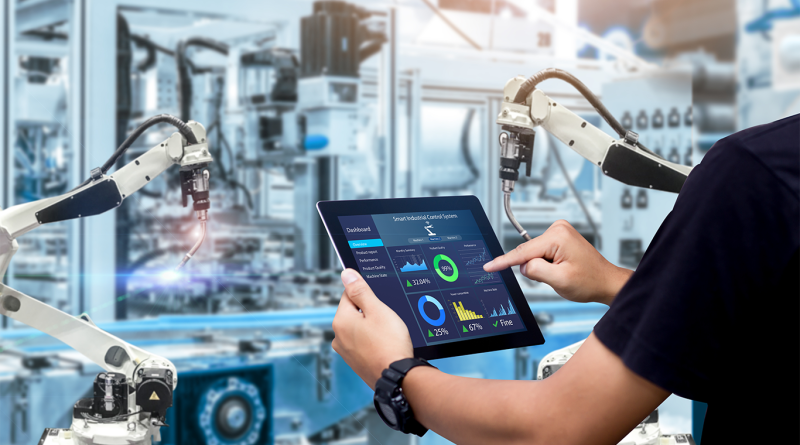
For those interested in exploring more about smart factory concepts, the smart factory overview provides a comprehensive look at how these technologies are integrated into modern manufacturing.
Key Components of Modern Material Handling
Modern material handling systems are composed of several key components, each playing a vital role in the overall efficiency of a factory. These include automated guided vehicles (AGVs), conveyor systems, robotic arms, and warehouse management systems (WMS).
Automated Guided Vehicles (AGVs)
AGVs are driverless vehicles used to transport materials around a factory floor. They are equipped with sensors and software that allow them to navigate complex environments autonomously. AGVs are particularly beneficial in reducing labor costs and minimizing human error.
Conveyor Systems
Conveyor systems are essential for moving materials quickly and efficiently across different sections of a factory. They can be customized to handle various types of materials, from small components to large assemblies, and are integral to streamlining production lines.
Robotic Arms
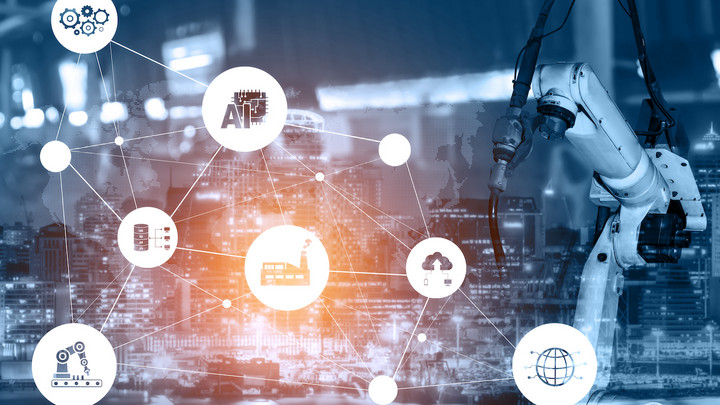
Robotic arms are used for tasks that require precision and repeatability, such as assembly, welding, and packaging. These robots can operate continuously without fatigue, significantly boosting productivity and ensuring consistent quality.
Warehouse Management Systems (WMS)
A WMS is a software application that helps manage and optimize warehouse operations. It tracks inventory levels, orders, and shipments, ensuring that materials are available when needed and reducing the risk of overstocking or stockouts.

Benefits of Advanced Material Handling Systems
Implementing advanced material handling systems offers numerous benefits, including increased efficiency, improved safety, and reduced operational costs. By automating repetitive tasks, these systems allow human workers to focus on more complex and value-added activities.
Efficiency and Productivity
Automation reduces the time required to move materials, leading to faster production cycles and increased output. This efficiency is crucial in meeting the demands of a competitive market.
Safety Improvements
By minimizing human interaction with heavy machinery, advanced handling systems significantly reduce the risk of workplace accidents. This not only protects workers but also minimizes downtime and associated costs.
Cost Reduction
While the initial investment in material handling technology can be substantial, the long-term savings in labor and operational costs often justify the expense. Over time, these systems pay for themselves by enhancing overall operational efficiency.
Integrating Material Handling Technology
Integrating these technologies into existing factory systems requires careful planning and execution. It involves assessing current processes, identifying areas for improvement, and selecting the appropriate technologies to address specific needs.
For those interested in photography and visual documentation of factory processes, exploring motion blur composition examples can provide creative inspiration.
Frequently Asked Questions
What is material handling technology?
Material handling technology refers to the equipment and systems used to move, protect, store, and control materials throughout the manufacturing process. It includes tools like AGVs, conveyor systems, and robotic arms.
How does automation improve factory operations?
Automation enhances factory operations by increasing efficiency, reducing human error, and improving safety. It allows for faster production cycles and better resource management.
What are the challenges of implementing new technologies?
Challenges include the initial cost of investment, the need for employee training, and the integration of new systems with existing processes. However, the long-term benefits often outweigh these challenges.