
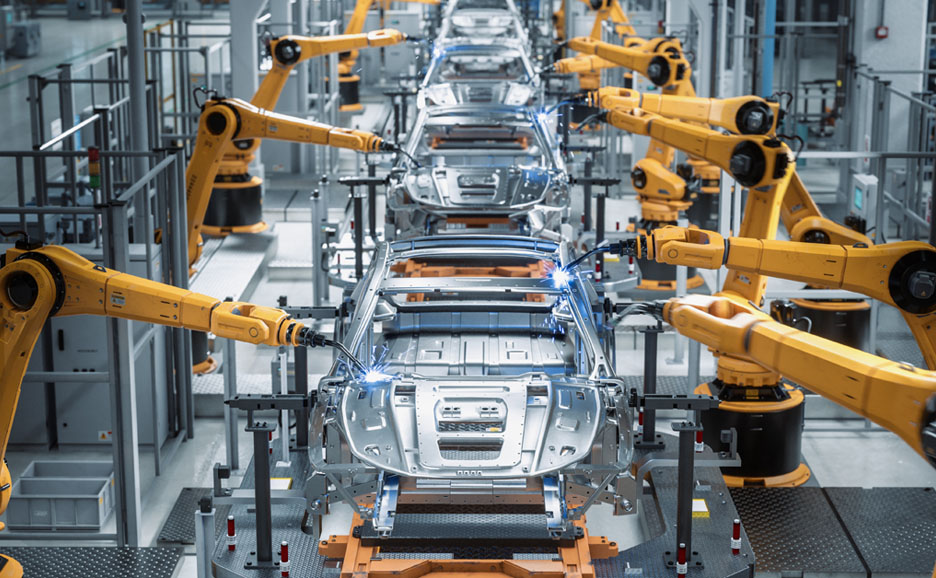
Understanding factory preventive maintenance is essential for any manufacturing operation aiming to maximize uptime, minimize unexpected breakdowns, and ensure product quality. This approach involves regular, planned servicing of equipment and systems to prevent failures before they occur. By adopting a proactive maintenance strategy, factories can avoid costly repairs, reduce downtime, and extend the lifespan of critical assets.
In today’s competitive industrial landscape, implementing a structured maintenance program is no longer optional—it’s a necessity. Preventive measures help organizations maintain consistent output, comply with safety standards, and support sustainability goals. Whether you manage a large-scale facility or a smaller production line, understanding the principles and best practices of this maintenance approach can make a significant difference in operational efficiency.
For those interested in creative approaches to industrial photography, you might enjoy exploring motion blur composition examples for inspiration. Now, let’s break down the essentials of proactive maintenance in manufacturing environments.
What Is Preventive Maintenance in Industrial Settings?
Preventive maintenance in factories refers to a systematic schedule of inspections, adjustments, cleaning, lubrication, testing, and parts replacement. The goal is to keep machinery and equipment operating at peak performance and to catch potential issues before they escalate into major problems.
This approach is different from reactive maintenance, where repairs are made only after equipment fails. Instead, preventive strategies are based on manufacturer recommendations, historical data, and the specific needs of each asset.
- Scheduled inspections to identify wear and tear
- Routine servicing such as oil changes, filter replacements, and calibration
- Documentation and tracking of maintenance activities
- Employee training to recognize early warning signs
Key Benefits of a Proactive Maintenance Program
A well-structured preventive maintenance plan delivers a range of advantages for manufacturing operations:
- Reduced downtime: Regular checks help prevent unexpected equipment failures.
- Cost savings: Early detection of issues avoids expensive emergency repairs and production losses.
- Extended equipment lifespan: Proper care and timely part replacements keep machines running longer.
- Improved safety: Addressing hazards before they cause accidents protects workers and assets.
- Consistent product quality: Well-maintained equipment produces more reliable results.
Many organizations are also leveraging digital solutions and smart factory technologies to optimize their maintenance schedules. For a deeper dive into how digital transformation is changing manufacturing, see this overview of smart factory strategies.
Core Elements of a Successful Maintenance Strategy
To implement an effective preventive maintenance program, factories should focus on several core components:
- Asset Inventory: Catalog all equipment, noting age, usage, and criticality.
- Maintenance Scheduling: Develop a calendar based on manufacturer guidelines, regulatory requirements, and operational experience.
- Checklists and Procedures: Standardize tasks for each asset type to ensure consistency and thoroughness.
- Data Tracking: Use logs or digital systems to record completed work, findings, and parts used.
- Continuous Improvement: Analyze maintenance data to refine schedules and identify recurring issues.
Integrating these elements helps ensure that preventive actions are timely, effective, and aligned with production goals.
How Digital Tools Enhance Preventive Maintenance
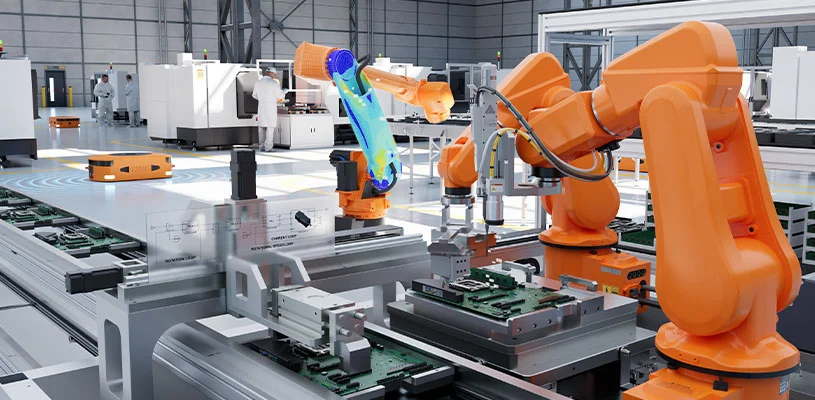
Modern factories are increasingly adopting digital tools to streamline maintenance processes. Computerized Maintenance Management Systems (CMMS), Internet of Things (IoT) sensors, and predictive analytics allow for real-time monitoring and smarter decision-making.
These technologies can:
- Alert teams to abnormal equipment behavior before a failure occurs
- Automate scheduling and reminders for routine tasks
- Provide detailed reports for compliance and audits
- Support remote diagnostics and troubleshooting
By leveraging these advancements, manufacturers can move from time-based to condition-based maintenance, further reducing unnecessary interventions and focusing resources where they are most needed.

Common Challenges and How to Overcome Them
While the advantages of preventive maintenance are clear, factories often face several challenges when implementing or scaling their programs:
- Resource constraints: Limited staff or budget can make it difficult to keep up with schedules.
- Data management: Tracking maintenance activities manually can lead to errors and missed tasks.
- Change resistance: Employees may be accustomed to reactive repairs and hesitant to adopt new routines.
To address these issues, consider:
- Investing in training and clear communication about the benefits of proactive care
- Gradually introducing digital tools to automate and simplify record-keeping
- Prioritizing maintenance for the most critical assets first, then expanding as resources allow
For those interested in creative approaches to industrial visuals, the motion blur creative inspiration guide offers fresh perspectives on capturing factory environments.
Best Practices for Maintaining Factory Equipment
To maximize the effectiveness of your maintenance program, keep these best practices in mind:
- Follow manufacturer recommendations for service intervals and parts
- Document all maintenance activities for accountability and analysis
- Involve operators in daily checks and encourage reporting of unusual behavior
- Review and update procedures regularly based on equipment performance and feedback
- Leverage technology to automate routine tasks and monitor equipment health
By embedding these habits into daily operations, factories can build a culture of reliability and continuous improvement.
Frequently Asked Questions
What is the difference between preventive and predictive maintenance?
Preventive maintenance is scheduled based on time or usage intervals, regardless of equipment condition. Predictive maintenance uses real-time data and analytics to determine when maintenance should be performed, often resulting in fewer unnecessary interventions.
How often should factory equipment be serviced?
Service intervals depend on the type of equipment, manufacturer guidelines, usage intensity, and environmental conditions. Regular reviews of maintenance records and equipment performance can help optimize the schedule.
Can small factories benefit from preventive maintenance?
Absolutely. Even small-scale operations can reduce costs and improve reliability by implementing a basic preventive maintenance plan. Starting with critical assets and gradually expanding the program is a practical approach.
Conclusion
A proactive approach to maintaining factory equipment is vital for operational efficiency, safety, and long-term cost savings. By understanding the fundamentals, leveraging technology, and following best practices, manufacturers can ensure their facilities run smoothly and remain competitive. For those interested in the visual side of industrial environments, exploring motion blur cinematic photography guide can provide additional inspiration.