
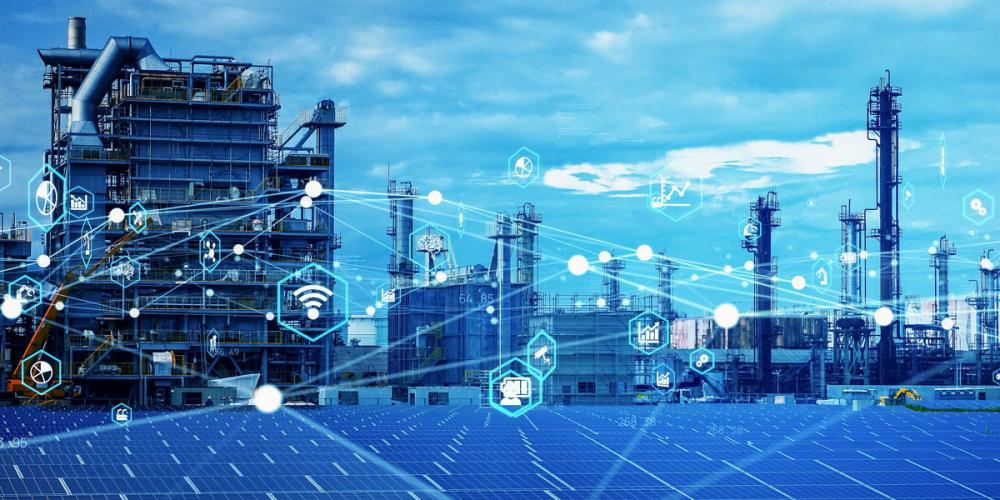
The manufacturing sector is undergoing a significant transformation as digital technologies become central to modern operations. Embracing digital tools and automation is no longer optional for factories seeking to remain competitive. Understanding the factory process digitization benefits can help organizations unlock new levels of efficiency, quality, and adaptability.
Digitizing factory processes means integrating digital systems, sensors, and data analytics into traditional manufacturing workflows. This shift enables real-time monitoring, predictive maintenance, and smarter decision-making. As a result, companies can reduce costs, increase productivity, and respond more quickly to market changes. For those interested in creative approaches to capturing movement in industrial environments, exploring resources like motion blur composition examples can offer valuable inspiration.
Key Advantages of Digital Transformation in Manufacturing
Adopting digital technologies in production environments brings a range of tangible improvements. Below are some of the most impactful factory process digitization benefits seen across the industry:
- Increased Efficiency: Automation and real-time data collection eliminate manual errors and speed up workflows, allowing factories to produce more with fewer resources.
- Enhanced Quality Control: Digital monitoring systems detect defects early, ensuring consistent product quality and reducing waste.
- Cost Reduction: Predictive maintenance and smarter resource allocation help minimize downtime and unnecessary expenses.
- Improved Flexibility: Digital tools enable rapid adjustments to production lines, supporting customization and quick response to market demands.
- Data-Driven Decision Making: Access to real-time analytics empowers managers to make informed choices, optimizing every stage of the manufacturing process.
How Digitization Improves Factory Efficiency
One of the most significant outcomes of digital transformation is the dramatic boost in operational efficiency. By connecting machines, sensors, and software platforms, manufacturers can automate repetitive tasks and monitor performance in real time. This connectivity leads to:
- Reduced manual intervention and human error
- Faster identification and resolution of bottlenecks
- Optimized use of materials and energy
For example, automated systems can adjust machine settings on the fly, ensuring optimal performance and minimizing waste. These improvements not only lower production costs but also enhance overall competitiveness.
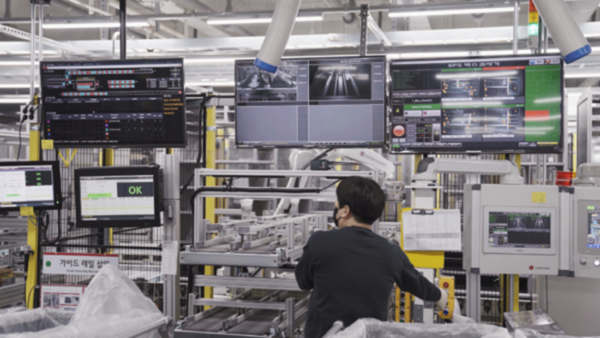
Quality Control and Predictive Maintenance
Digital solutions play a crucial role in maintaining high product standards. Sensors and machine vision systems can detect anomalies and defects at every stage of production, allowing for immediate corrective action. This proactive approach reduces scrap rates and ensures that only products meeting strict quality criteria reach customers.
Predictive maintenance is another major advantage. By continuously monitoring equipment health and performance, digital systems can forecast potential failures before they occur. This allows maintenance teams to address issues during scheduled downtime, minimizing unplanned outages and extending the lifespan of critical assets.
For a deeper look at how smart factories are revolutionizing inventory management and maintenance, consider reading this comprehensive guide to smart factory technology.
Data-Driven Insights and Decision Making
The integration of digital tools provides factory managers with a wealth of actionable data. Real-time dashboards and analytics platforms aggregate information from across the production floor, offering insights into performance, resource utilization, and process bottlenecks. These insights enable:
- More accurate forecasting and planning
- Continuous improvement initiatives based on actual performance data
- Faster response to issues and opportunities
By leveraging these data-driven insights, manufacturers can fine-tune their operations, reduce waste, and deliver products that better meet customer needs.

Flexibility and Customization in Modern Factories
Digital transformation allows manufacturers to adapt quickly to changing customer demands and market trends. Flexible production lines, enabled by software-driven controls and modular equipment, make it possible to switch between product variants with minimal downtime. This agility supports mass customization and shortens time-to-market for new products.
Additionally, digital platforms can integrate with supply chain partners, ensuring seamless coordination from raw materials to finished goods. This end-to-end visibility helps companies respond proactively to disruptions and maintain high service levels.
Challenges and Considerations When Going Digital
While the benefits of digitizing factory processes are substantial, the transition requires careful planning. Common challenges include:
- Upfront investment in new technologies and training
- Integrating legacy equipment with modern digital systems
- Ensuring data security and privacy
- Managing change and building digital skills among the workforce
To overcome these hurdles, manufacturers should develop a clear digital strategy, prioritize scalable solutions, and invest in ongoing employee development. Starting with pilot projects can help demonstrate value and build momentum for broader adoption.
Real-World Examples and Inspiration
Many leading manufacturers have already realized significant gains through digital transformation. For instance, companies that have implemented smart sensors and AI-powered diagnostics report fewer equipment failures and higher overall equipment effectiveness (OEE). Visual documentation of these improvements can also be a powerful tool—those interested in creative industrial photography may find the motion blur cinematic photography guide helpful for capturing the dynamic nature of modern factories.
By learning from these examples and leveraging proven digital solutions, even small and medium-sized manufacturers can achieve substantial improvements in productivity and quality.
Frequently Asked Questions
What are the main benefits of digitizing factory processes?
The primary advantages include increased efficiency, better quality control, lower operational costs, improved flexibility, and enhanced data-driven decision making. These improvements help manufacturers stay competitive and responsive to market needs.
How does digital transformation impact factory workers?
Digitization often shifts the focus from manual, repetitive tasks to higher-value activities such as monitoring, analysis, and process optimization. While some roles may change, new opportunities emerge for employees to develop digital skills and contribute to continuous improvement initiatives.
Is it expensive to implement digital technologies in manufacturing?
Initial investments can be significant, especially for large-scale upgrades. However, many manufacturers start with targeted pilot projects to demonstrate value and gradually expand their digital footprint. Over time, the cost savings and efficiency gains typically outweigh the upfront expenses.