
Modern manufacturing is undergoing a transformation driven by digital technologies. Among the most significant advancements are factory real-time monitoring tools, which enable production facilities to track equipment, processes, and output as they happen. These solutions provide actionable data, helping businesses improve efficiency, reduce downtime, and maintain high product quality. This article offers a clear overview of how these systems work, their core benefits, and what to consider when choosing the right solution for your facility.
For those interested in the creative side of industrial photography, exploring motion blur composition examples can provide inspiration for capturing dynamic factory environments.
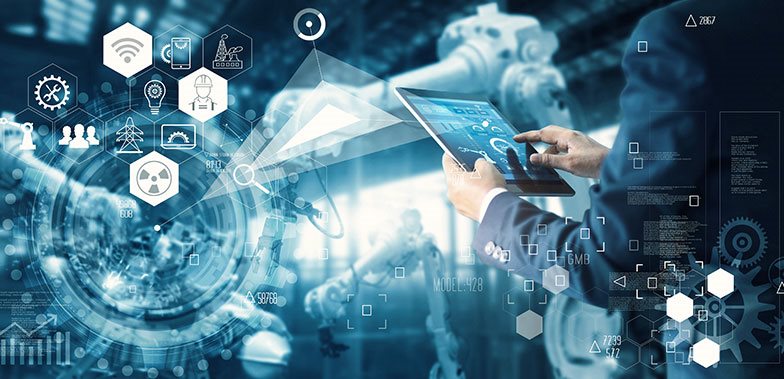
Understanding Digital Factory Monitoring Solutions
Real-time monitoring platforms are digital systems that collect, process, and display live data from machines, sensors, and production lines. By integrating with equipment and software across the factory floor, these tools offer a centralized view of operations. This visibility allows managers and operators to identify bottlenecks, track performance metrics, and respond quickly to issues.
Typically, these systems use a combination of hardware (such as IoT sensors and PLCs) and software dashboards. Data is gathered from various sources—temperature sensors, vibration monitors, energy meters, and more—and then visualized in user-friendly interfaces. This approach supports informed decision-making and continuous process improvement.
Key Features of Modern Monitoring Platforms
When evaluating solutions for live production tracking, it’s important to understand the range of features available. The most effective tools share several core capabilities:
- Live Data Visualization: Dashboards provide real-time updates on machine status, production rates, and quality metrics.
- Automated Alerts: Systems can notify staff immediately when anomalies or faults are detected, reducing response times.
- Historical Data Analysis: Beyond live tracking, these platforms store data for trend analysis, root cause investigation, and reporting.
- Integration with Existing Systems: Compatibility with ERP, MES, and SCADA systems ensures seamless data flow across the organization.
- Remote Access: Cloud-based solutions allow managers to monitor operations from anywhere, supporting flexible management.

Benefits of Implementing Live Factory Tracking
Adopting real-time monitoring systems in manufacturing environments brings a range of advantages that directly impact productivity, cost, and quality. Some of the most notable benefits include:
- Reduced Downtime: By identifying issues as soon as they arise, maintenance teams can act quickly, minimizing unplanned stops.
- Improved Product Quality: Continuous tracking of process parameters helps maintain consistency and catch deviations early.
- Increased Efficiency: Data-driven insights allow for optimization of workflows, resource allocation, and scheduling.
- Enhanced Safety: Monitoring environmental factors and machine health can prevent accidents and ensure compliance with safety standards.
- Cost Savings: Preventive maintenance and optimized operations reduce waste, energy consumption, and repair costs.
For a deeper look at how smart factory concepts are shaping the industry, the TRUMPF smart factory overview provides a comprehensive summary of current trends and technologies.
How Real-Time Data Powers Smart Manufacturing
The shift toward real-time factory monitoring is a key component of Industry 4.0. By leveraging data from connected devices, manufacturers can transition from reactive to proactive management. This means not only responding to problems as they occur, but also predicting and preventing them.
For example, vibration sensors on motors can detect early signs of wear, allowing maintenance before a failure disrupts production. Similarly, tracking temperature and humidity can help maintain optimal conditions for sensitive processes. Over time, the accumulation of operational data supports advanced analytics, machine learning, and even AI-driven optimization.
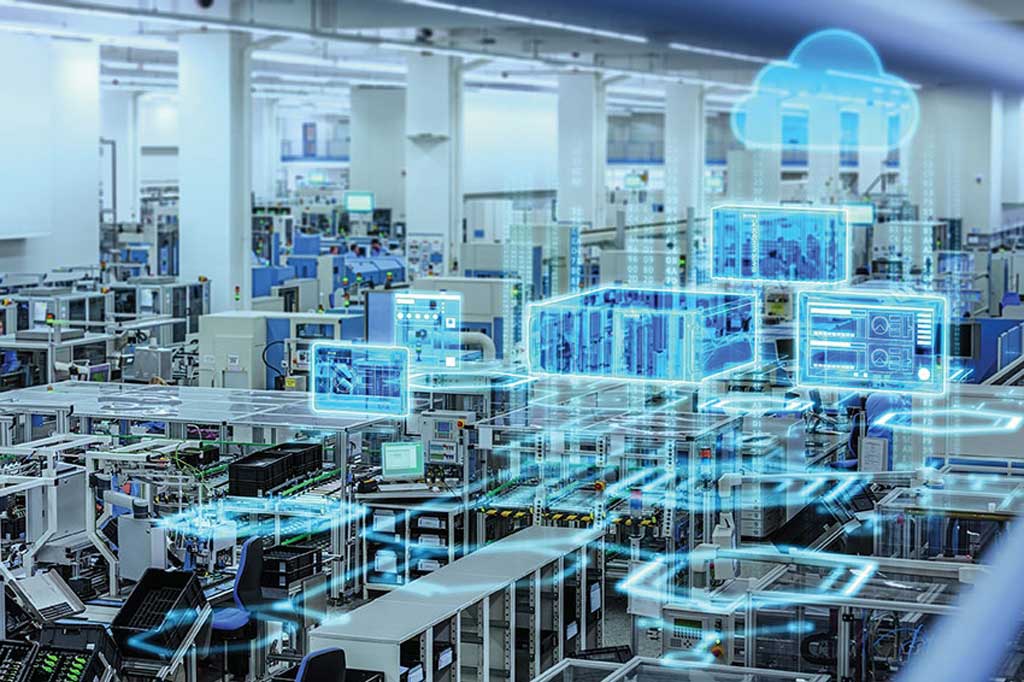
Choosing the Right Monitoring Solution for Your Facility
Selecting an appropriate factory monitoring platform involves assessing your facility’s unique needs and existing infrastructure. Here are some important factors to consider:
- Scalability: Ensure the system can grow with your operations, supporting additional machines and data sources as needed.
- Ease of Integration: Look for solutions that work with your current equipment and software, minimizing disruption during deployment.
- User Experience: Intuitive dashboards and mobile access make it easier for staff to adopt and use the system effectively.
- Support and Training: Reliable vendor support and comprehensive training resources are essential for a smooth rollout.
- Security: Protecting sensitive operational data is critical, especially with cloud-based solutions.
It’s also helpful to involve both IT and operations teams in the selection process, ensuring the chosen platform meets technical and practical requirements.
Integrating Monitoring Tools with Other Factory Systems
For maximum value, real-time monitoring solutions should connect seamlessly with other digital systems in the factory. Integration with ERP and MES software enables automatic data sharing, supporting everything from inventory management to production scheduling. Many platforms offer APIs or built-in connectors to facilitate these links.
This interconnected approach not only streamlines operations but also provides a holistic view of the entire manufacturing process. As a result, decision-makers can base strategies on comprehensive, up-to-date information.
If you’re interested in how motion blur techniques can be used to creatively capture the energy of automated production lines, the motion blur cinematic photography guide offers practical tips and examples.
Common Challenges and How to Overcome Them
While the benefits of live monitoring are clear, implementation can present challenges. Some common issues include:
- Legacy Equipment: Older machines may lack digital interfaces, requiring retrofitting with sensors or adapters.
- Data Overload: Large volumes of data can be overwhelming without effective filtering and analysis tools.
- Change Management: Staff may need training and support to adapt to new workflows and technologies.
- Initial Investment: Upfront costs can be significant, but the long-term savings and productivity gains often justify the expense.
Careful planning, phased rollouts, and ongoing training are key to a successful transition.
FAQ: Real-Time Monitoring in Manufacturing
- What types of data can be tracked with live monitoring solutions?
- These platforms can capture a wide range of data, including machine status, production counts, temperature, vibration, energy consumption, and quality metrics. The specific data points depend on the sensors and equipment in use.
- How does real-time monitoring improve maintenance?
- By continuously tracking equipment health, these systems can detect early warning signs of wear or malfunction. This enables predictive maintenance, reducing unplanned downtime and extending asset life.
- Is it possible to integrate monitoring tools with existing factory software?
- Yes, most modern solutions offer integration options for ERP, MES, and SCADA systems. This allows for seamless data flow and unified management across the facility.
In summary, adopting factory real-time monitoring solutions is a strategic move for manufacturers aiming to stay competitive in a data-driven world. By providing instant visibility into operations, these tools empower teams to optimize performance, ensure quality, and drive continuous improvement.