
The adoption of robotics in manufacturing has transformed how factories operate, driving efficiency, precision, and adaptability. Businesses across the globe are leveraging automation to remain competitive, reduce costs, and improve product quality. By examining factory robotics case studies, organizations can gain insight into the tangible benefits and challenges of integrating robotics into real-world production environments.
This article explores several practical examples of robotics implementation in factories, highlighting the outcomes, lessons learned, and best practices. If you’re interested in visual creativity in industrial settings, you may also want to explore motion blur composition examples for inspiration in manufacturing photography.
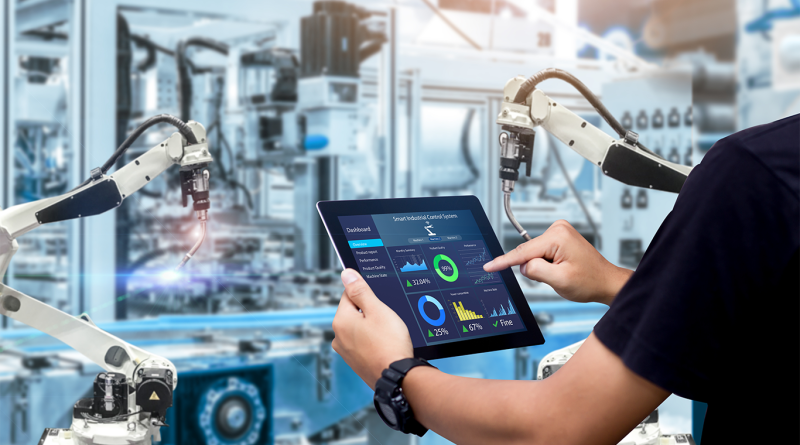
Why Study Robotics Success Stories in Manufacturing?
Learning from real-world automation projects provides a deeper understanding of both the opportunities and complexities involved in deploying robotics. These examples illustrate how factories have addressed specific production challenges, improved safety, and adapted to changing market demands. Reviewing these experiences can help manufacturers plan their own automation journeys more effectively.
Automotive Assembly: Boosting Productivity and Quality
The automotive industry has long been a pioneer in adopting robotics for assembly lines. One notable example comes from a leading car manufacturer that introduced collaborative robots (cobots) to work alongside human operators. These robots handled repetitive tasks such as welding, painting, and parts installation, allowing workers to focus on more complex activities.
As a result, the factory saw a significant increase in throughput and a reduction in defects. The integration of vision systems with robots enabled real-time quality checks, further minimizing errors. This case demonstrates how robotics can enhance both productivity and consistency in high-volume manufacturing environments.
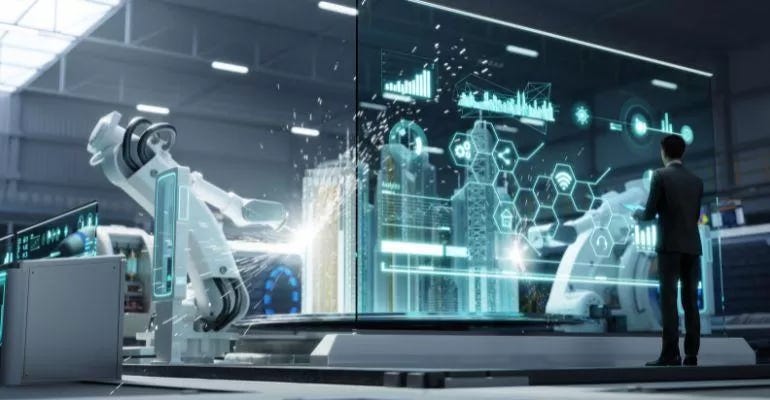
Electronics Manufacturing: Precision and Traceability
In electronics production, precision and traceability are critical. A global electronics company implemented robotic arms for circuit board assembly and soldering. These robots were equipped with advanced sensors and vision systems to handle delicate components with high accuracy.
By automating these intricate processes, the company achieved greater consistency and reduced the risk of human error. Additionally, the robots collected detailed data on each assembly, supporting traceability and compliance requirements. This approach not only improved product quality but also streamlined audits and regulatory reporting.
Food and Beverage: Hygiene and Efficiency
The food and beverage sector faces unique challenges, including strict hygiene standards and the need for flexible packaging solutions. A major food processing plant adopted robotic systems for sorting, packaging, and palletizing products. These robots operated in sanitized environments and could be quickly reprogrammed for different product lines.
The result was a safer workplace, as robots took over tasks that involved repetitive motion and potential exposure to contaminants. The plant also benefited from faster changeovers and reduced downtime, enabling it to respond quickly to shifting consumer preferences.
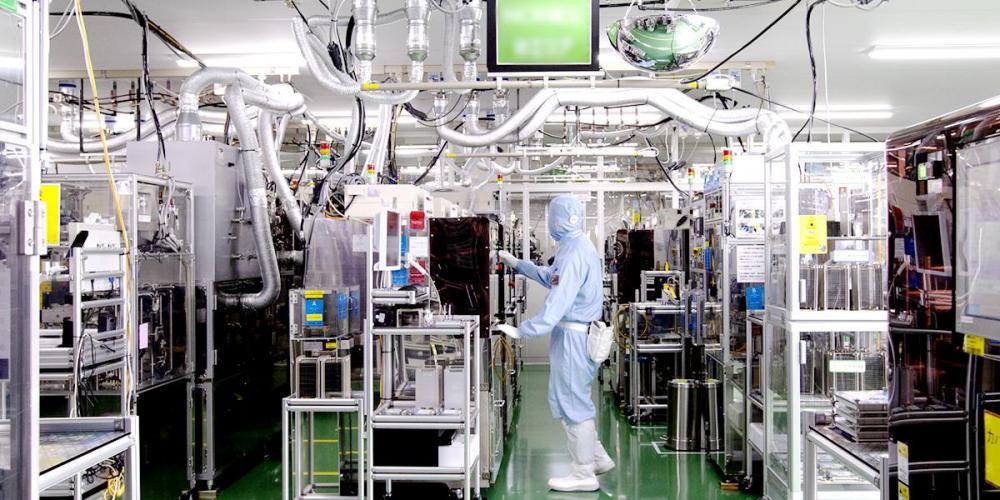
Pharmaceuticals: Ensuring Compliance and Safety
Pharmaceutical manufacturing requires strict adherence to safety and regulatory standards. One pharmaceutical company implemented robotic systems for material handling and packaging in its cleanroom facilities. The robots performed tasks such as vial filling, labeling, and packing, minimizing human contact and reducing contamination risks.
The automation project led to improved batch consistency and compliance with Good Manufacturing Practice (GMP) guidelines. The company also reported a reduction in workplace injuries and increased throughput, demonstrating the value of robotics in highly regulated environments.
Key Takeaways from Industrial Automation Projects
- Increased Productivity: Automation enables factories to operate at higher speeds and with fewer errors.
- Enhanced Quality: Robotics deliver consistent results and support real-time quality checks.
- Workplace Safety: Robots take on hazardous or repetitive tasks, reducing the risk of injury.
- Flexibility: Modern systems can be reprogrammed for new products or processes quickly.
- Data Collection: Robotics solutions often include sensors and analytics for process optimization.
For a deeper understanding of how digital technologies are shaping modern production, see this overview of what defines a smart factory and how robotics play a central role in these environments.
Challenges and Considerations in Robotics Implementation
While the benefits are clear, deploying robotics in factories also presents challenges. Initial investment costs, integration with legacy systems, and workforce training are common hurdles. Manufacturers must carefully assess their production needs, select appropriate technologies, and plan for change management.
Successful projects often involve cross-functional teams, including engineering, IT, and operations. Ongoing maintenance and support are also essential to ensure long-term reliability and performance.
Future Trends in Factory Automation
The evolution of factory automation continues, with trends such as artificial intelligence, machine learning, and the Industrial Internet of Things (IIoT) shaping the next generation of solutions. Predictive maintenance, adaptive robotics, and real-time analytics are becoming standard features in advanced manufacturing environments.
As these technologies mature, more factories will be able to implement flexible, scalable automation systems that can adapt to changing market demands and drive continuous improvement.
FAQ: Factory Robotics in Practice
How do robotics improve efficiency in manufacturing?
Robotics streamline repetitive and precise tasks, reducing cycle times and minimizing errors. Automated systems can operate continuously, increasing overall throughput and allowing human workers to focus on higher-value activities.
What are the main challenges when introducing robots to a factory?
Common challenges include high upfront costs, integration with existing equipment, and the need for staff training. Careful planning and phased implementation can help mitigate these issues.
Can small and medium-sized manufacturers benefit from robotics?
Yes, advancements in collaborative robots and modular automation systems have made robotics accessible to smaller operations. These solutions can be scaled and customized to fit specific production needs and budgets.
By analyzing factory robotics case studies across different industries, manufacturers can better understand the practical steps and considerations involved in automation. Real-world examples offer valuable lessons for those looking to enhance productivity, quality, and safety in their own operations.