
Understanding gear wear vibration patterns is crucial for anyone responsible for maintaining industrial machinery. Gearboxes are essential components in countless applications, from manufacturing lines to power plants. Over time, gears inside these units experience wear and tear, which can lead to costly failures if not detected early. Vibration analysis offers a non-invasive, reliable way to monitor gearbox health and catch degradation before it leads to unplanned downtime.
This article explores how to recognize the key vibration signatures associated with gear wear, the tools and techniques used for detection, and practical steps for implementing a predictive maintenance strategy. For those working in specialized sectors, such as energy or manufacturing, understanding these patterns can significantly improve asset reliability and reduce maintenance costs. If you’re interested in broader applications, our guide on vibration analysis for power plants covers monitoring critical assets in depth.
Why Monitoring Gearbox Health Matters
Gearboxes are often considered the backbone of industrial machinery. When gears begin to degrade, the consequences can range from increased noise and reduced efficiency to catastrophic failure. Early detection of gear wear vibration patterns allows maintenance teams to plan repairs or replacements during scheduled downtime, rather than reacting to unexpected breakdowns. This proactive approach not only saves money but also extends the lifespan of critical assets.
Vibration analysis is one of the most effective ways to monitor gearbox condition. By measuring and interpreting vibration signals, it’s possible to identify specific issues such as gear tooth wear, misalignment, or bearing defects. These insights form the basis for a robust predictive maintenance program, reducing the risk of sudden failures and optimizing operational efficiency.
Understanding Gear Wear Vibration Patterns
Every mechanical fault generates a unique vibration signature. In gearboxes, wear and damage to gear teeth produce distinct patterns that can be detected with the right tools. Recognizing these patterns is essential for diagnosing problems accurately and taking timely action.

Common Vibration Signatures of Gear Wear
- Gear Mesh Frequency (GMF): This is the fundamental frequency generated by the meshing of gear teeth. An increase in amplitude at the GMF or its harmonics often indicates wear or damage.
- Sidebands Around GMF: Sidebands spaced at shaft rotational frequencies around the GMF are a classic sign of gear tooth wear, misalignment, or eccentricity.
- High-Frequency Noise: As wear progresses, the vibration spectrum may show increased high-frequency content due to surface damage or pitting.
- Modulation Effects: Amplitude and frequency modulation in the vibration signal can point to irregularities in gear tooth contact, such as scuffing or spalling.
By tracking these vibration patterns over time, maintenance teams can spot early signs of degradation and schedule interventions before minor issues escalate.
How Gearbox Degradation Develops
Gearbox deterioration typically follows a predictable path. Initially, minor surface wear or lubrication issues may cause subtle changes in vibration. If left unaddressed, these issues can progress to more severe forms of damage, such as:
- Pitting: Small pits or craters form on gear tooth surfaces, increasing vibration at higher frequencies.
- Scuffing: Surface material is transferred between gear teeth, causing irregular vibration signatures.
- Cracking or Tooth Breakage: Severe cases lead to sudden changes in vibration amplitude and frequency, often accompanied by audible noise and rapid failure.
Regular monitoring and analysis of vibration data make it possible to catch these changes early, providing a window for corrective action.
Tools and Techniques for Vibration Analysis
Effective detection of gear wear vibration patterns relies on the right combination of sensors, data acquisition systems, and analytical methods. Here’s how professionals approach the task:

Sensor Selection and Placement
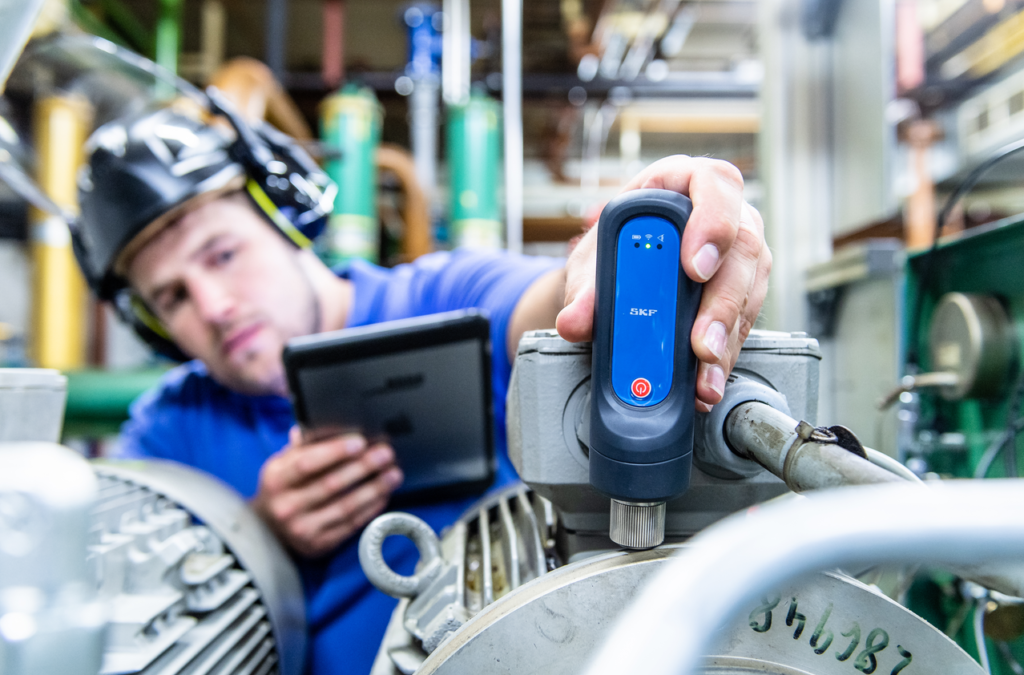
Accelerometers are the most common sensors used for vibration monitoring. For gearboxes, sensors should be mounted as close as possible to the gear mesh points without interfering with normal operation. Proper placement ensures accurate capture of the vibration signals associated with gear wear.
Data Collection and Analysis
Modern vibration analysis systems collect data continuously or at scheduled intervals. The data is then processed using Fast Fourier Transform (FFT) to convert time-domain signals into frequency-domain spectra. This makes it easier to identify the characteristic frequencies and sidebands linked to gear faults.
Advanced software tools can automate much of the analysis, flagging anomalies and generating reports for maintenance teams. For those seeking practical advice on interpreting vibration data, the article machine vibration data interpretation offers a detailed field guide.
Trending and Baseline Comparison
Establishing a baseline for normal vibration levels is essential. By comparing new data against historical baselines, it’s possible to detect subtle shifts that indicate emerging problems. Trending analysis helps prioritize maintenance actions and supports data-driven decision-making.
Implementing a Predictive Maintenance Strategy
Integrating vibration analysis into a broader predictive maintenance program delivers significant benefits. Here’s how organizations can get started:
- Asset Inventory: List all gearboxes and critical rotating equipment in your facility.
- Baseline Measurements: Collect initial vibration data to establish normal operating conditions.
- Regular Monitoring: Schedule routine vibration measurements, either manually or with automated systems.
- Data Analysis: Use software tools to analyze vibration spectra and flag deviations from the baseline.
- Maintenance Planning: Prioritize interventions based on the severity and urgency of detected faults.
By following these steps, maintenance teams can move from reactive to proactive maintenance, reducing unplanned downtime and extending the life of critical assets.
Benefits of Early Detection Using Vibration Patterns
Identifying gearbox degradation early offers several advantages:
- Reduced Downtime: Scheduled repairs are less disruptive than emergency breakdowns.
- Lower Maintenance Costs: Early intervention prevents secondary damage and costly replacements.
- Improved Safety: Preventing catastrophic failures protects personnel and equipment.
- Optimized Asset Life: Timely maintenance extends the service life of gearboxes and associated machinery.
For more insights into the broader impact of condition monitoring, the article on vibration analysis in industrial maintenance provides a comprehensive overview of best practices and emerging trends.
Frequently Asked Questions
What are the main causes of abnormal vibration in gearboxes?
Abnormal vibration in gearboxes is typically caused by gear tooth wear, misalignment, imbalance, bearing defects, or lubrication issues. Each of these faults produces distinct vibration signatures, which can be detected through regular monitoring and analysis.
How often should vibration analysis be performed on gearboxes?
The frequency of vibration analysis depends on the criticality of the equipment and operating conditions. For high-value or mission-critical gearboxes, continuous or weekly monitoring is recommended. Less critical assets may be checked monthly or quarterly, but establishing a consistent schedule is key to early detection.
Can vibration analysis detect all types of gearbox faults?
While vibration analysis is highly effective for identifying gear wear, misalignment, and bearing issues, it may not detect problems unrelated to mechanical movement, such as electrical faults or lubrication contamination. Combining vibration monitoring with other condition-based techniques provides the most comprehensive coverage.
Conclusion
Recognizing gear wear vibration patterns is a vital skill for anyone tasked with maintaining industrial gearboxes. By understanding the typical vibration signatures associated with gear degradation, using the right tools for data collection and analysis, and implementing a structured predictive maintenance program, organizations can prevent costly failures and keep operations running smoothly. For those interested in exploring related topics, consider reading about vibration analysis for food processing equipment or vibration analysis for textile machinery to see how these principles apply across different industries.