
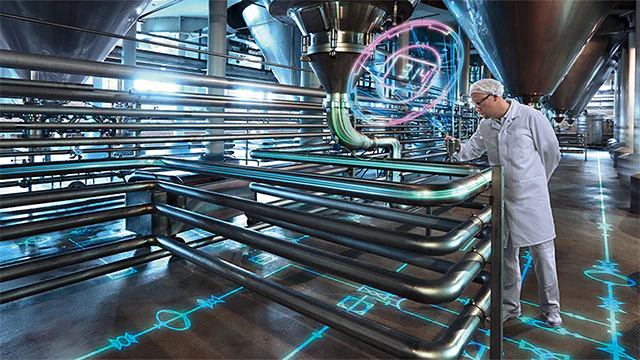
Batch cooking is a cornerstone of modern food manufacturing, but achieving the perfect balance between speed, efficiency, and quality can be challenging. With the rise of artificial intelligence, manufacturers now have powerful tools to streamline operations, reduce waste, and deliver consistent results. Understanding how to optimize batch cooking times with AI can lead to significant improvements in productivity and product quality, while also addressing energy consumption and resource management.
In this guide, we’ll explore the key principles behind AI-driven batch processing, practical steps for implementation, and the benefits of integrating intelligent logic into your cooking workflows. Whether you operate a large-scale food plant or a smaller production facility, leveraging smart technology can transform your approach to batch timing and control.
For those interested in related process optimization, understanding the benefits of real-time brix monitoring can further enhance food quality and consistency.
Understanding AI-Driven Logic in Batch Cooking
Artificial intelligence is changing the way food manufacturers approach batch cooking. By analyzing large datasets from sensors, historical records, and real-time inputs, AI systems can identify patterns and make recommendations that improve timing and resource allocation. This approach goes beyond traditional automation by continuously learning and adapting to new variables, such as ingredient quality, equipment performance, and environmental conditions.
Key aspects of AI-driven logic in batch cooking include:
- Predictive analytics to anticipate optimal cooking times based on previous batches and current conditions.
- Dynamic adjustment of temperature, humidity, and mixing speeds to maintain product consistency.
- Real-time monitoring of critical control points, reducing the risk of under- or over-cooking.
- Automated alerts and process interventions to prevent costly errors or downtime.
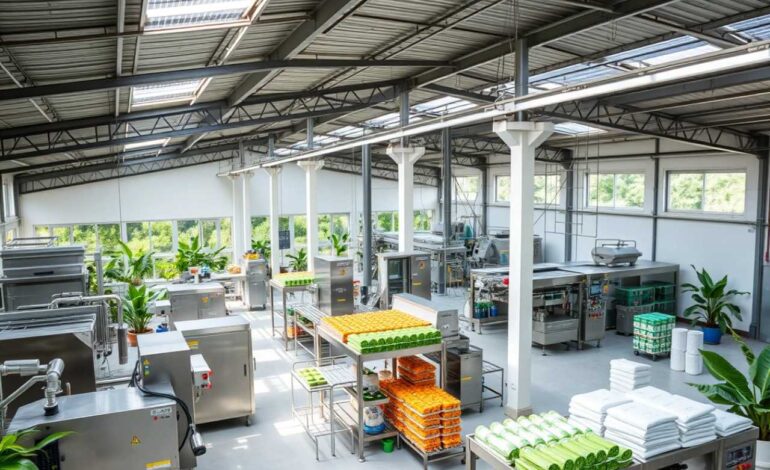
Key Benefits of Optimizing Batch Times with Smart Technology
Implementing AI-based logic in batch cooking delivers a range of advantages that go far beyond simple time savings. Here are some of the most impactful benefits:
- Increased throughput: AI algorithms can identify bottlenecks and suggest process changes, allowing for more batches to be completed in less time.
- Consistent product quality: By monitoring variables in real time, AI ensures that each batch meets exact specifications, reducing variability and waste.
- Reduced energy and resource consumption: Intelligent scheduling and process control help minimize unnecessary heating, cooling, and ingredient use.
- Faster response to anomalies: AI can detect deviations from expected patterns and trigger corrective actions before issues escalate.
- Data-driven decision making: Historical and real-time data empower managers to make informed choices about process improvements and investments.
For manufacturers looking to further enhance process reliability, exploring ways to monitor heat exchanger fouling can complement AI-driven batch optimization by ensuring equipment operates at peak efficiency.
Steps to Implement AI for Batch Cooking Optimization
Transitioning to an AI-enhanced batch cooking process involves several key steps. Here’s a practical roadmap to get started:
- Assess current processes: Begin by mapping out your existing batch workflows, identifying pain points, and collecting baseline data on timing, yield, and quality.
- Integrate sensors and data collection: Install IoT-enabled sensors to capture temperature, pressure, humidity, and other relevant parameters throughout the cooking process.
- Choose an AI platform: Select a solution that aligns with your production scale and goals. Look for platforms with proven track records in food manufacturing and robust support for customization.
- Train AI models: Use historical batch data to train machine learning algorithms, allowing the system to recognize optimal timing and detect anomalies.
- Deploy and monitor: Roll out the AI-driven logic in a controlled environment, monitor performance, and fine-tune parameters as needed.
- Iterate and improve: Continuously gather feedback and data to refine the AI models, ensuring ongoing improvements in efficiency and quality.
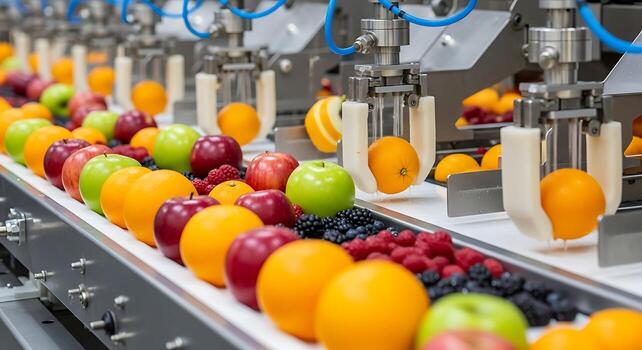
AI Applications in Real-World Batch Cooking
Food manufacturers are already seeing the benefits of AI in various batch cooking scenarios. For example, AI-powered systems can automatically adjust cooking times based on the moisture content of raw ingredients, or adapt heating curves to compensate for seasonal temperature fluctuations. In high-volume environments, AI can help synchronize multiple production lines, ensuring that each batch moves through the system at the optimal pace.
Another practical application is predictive maintenance. By analyzing equipment data, AI can forecast when a cooker or mixer is likely to require servicing, reducing unplanned downtime and extending equipment life. For more on this topic, see this overview of AI-powered predictive maintenance in food processing.
Manufacturers can also use AI to optimize cleaning cycles, ingredient dosing, and even packaging schedules, all of which contribute to smoother, more efficient batch operations.
Best Practices for Maximizing Results
To fully realize the potential of AI in batch cooking, consider these best practices:
- Start with clear objectives: Define what you want to achieve, such as reducing batch cycle times, improving yield, or lowering energy costs.
- Invest in staff training: Ensure your team understands how to interpret AI recommendations and intervene when necessary.
- Maintain data quality: Regularly calibrate sensors and validate data inputs to ensure accurate AI predictions.
- Integrate with existing systems: Choose AI solutions that can communicate with your current MES, SCADA, or ERP platforms for seamless operation.
- Monitor performance metrics: Track KPIs such as batch completion time, product consistency, and resource usage to measure the impact of AI-driven logic.
For facilities handling sensitive products, using predictive analytics for verifying honey purity is another example of how AI can support food safety and quality assurance.
Common Challenges and How to Overcome Them
While the benefits of AI in batch cooking are clear, implementation can present challenges:
- Data integration: Legacy equipment may lack connectivity. Upgrading or retrofitting with IoT sensors can bridge this gap.
- Change management: Staff may be hesitant to trust AI recommendations. Provide training and demonstrate early wins to build confidence.
- Scalability: Start with pilot projects before rolling out AI across all production lines to manage risk and complexity.
- Cost: While initial investment can be significant, the long-term savings in time, energy, and waste often justify the expense.
Continuous improvement and regular review of AI performance are essential to ensure ongoing value from your investment.
FAQ: AI in Batch Cooking Optimization
How does AI determine the optimal batch cooking time?
AI systems analyze historical data, real-time sensor inputs, and environmental factors to predict the ideal cooking duration for each batch. By learning from past outcomes and adjusting for current conditions, AI can recommend precise timing to ensure consistent results.
Can AI help reduce energy consumption in batch cooking?
Yes, AI-driven logic can optimize heating and cooling cycles, minimize idle times, and adjust process parameters in real time. This leads to more efficient energy use, reducing both costs and environmental impact.
What types of food manufacturing processes benefit most from AI optimization?
Any process involving variable ingredients, complex timing, or strict quality requirements can benefit. This includes baking, pasteurization, fermentation, and confectionery production, among others. AI is especially valuable in high-volume or multi-line environments where manual oversight is challenging.
Is it difficult to integrate AI with existing batch cooking equipment?
Integration depends on the age and connectivity of your equipment. Modern machines often support IoT sensors and data interfaces, making integration straightforward. Older systems may require retrofitting, but many AI platforms offer flexible solutions for a range of setups.
By embracing AI-driven logic, food manufacturers can achieve greater efficiency, consistency, and adaptability in their batch cooking operations. As technology continues to evolve, those who invest in smart optimization will be well-positioned to meet the demands of a competitive market.