
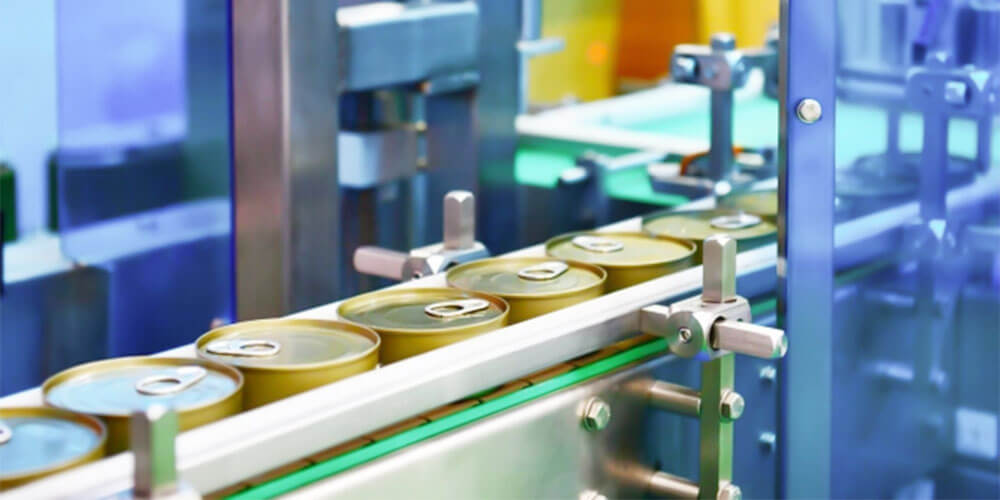
Automated vegetable peelers are essential in modern food processing, offering speed, consistency, and efficiency. However, like any industrial equipment, they are prone to wear and unexpected breakdowns, which can disrupt production schedules and increase operational costs. Predictive maintenance for vegetable peelers is a proactive approach that leverages data and technology to anticipate failures before they occur, minimizing downtime and extending equipment life.
This article explores how food manufacturers can implement predictive strategies for their peeling machinery, the technologies involved, and the tangible benefits for productivity and food safety. We’ll also highlight how these methods differ from traditional maintenance and why they are becoming a standard in the industry. For those interested in broader applications of digital transformation in food production, the role of digital twins in brewery management offers additional insights into smart manufacturing trends.
Understanding Predictive Maintenance in Food Processing
Traditional maintenance approaches, such as reactive (fixing after failure) or preventive (scheduled servicing), often lead to unnecessary costs or unexpected downtime. In contrast, predictive maintenance for vegetable peelers uses real-time data from sensors and analytics to detect early signs of wear or malfunction. This allows maintenance teams to intervene only when necessary, optimizing both labor and spare parts usage.
Key components of predictive strategies include:
- Sensors that monitor vibration, temperature, and motor current
- Data analytics platforms that process sensor data and identify patterns
- Machine learning algorithms that predict failures based on historical trends
- Integration with maintenance management systems for automated alerts and scheduling

Key Benefits of Predictive Maintenance for Peeling Equipment
Adopting predictive techniques for automated peelers delivers several advantages:
- Reduced unplanned downtime: Early detection of issues prevents sudden breakdowns, keeping production lines running smoothly.
- Lower maintenance costs: Targeted interventions mean fewer unnecessary part replacements and less overtime for emergency repairs.
- Extended equipment lifespan: Addressing minor faults before they escalate helps preserve the integrity of peeling machines.
- Improved product quality and safety: Consistent operation ensures vegetables are peeled to specification, reducing waste and contamination risks.
- Data-driven decision making: Maintenance teams can prioritize tasks based on actual equipment condition, not just schedules.
For a deeper dive into how predictive analytics is transforming the food industry, see this comprehensive overview of predictive maintenance in food processing.
Technologies Powering Predictive Maintenance for Vegetable Peelers
The effectiveness of predictive maintenance relies on a combination of hardware and software. Here are the most common technologies used:
- Vibration sensors: Detect abnormal movements in motors and bearings, which can indicate misalignment or wear.
- Temperature probes: Monitor heat buildup in critical components, signaling potential overloads or lubrication issues.
- Current monitoring: Track electrical consumption to reveal inefficiencies or impending motor failures.
- Cloud-based analytics: Aggregate data from multiple machines for centralized analysis and benchmarking.
- Edge computing: Process data locally on the factory floor for real-time alerts and rapid response.

Implementing a Predictive Maintenance Program for Peelers
Launching a predictive maintenance initiative for vegetable peeling machines involves several practical steps:
- Assess your current equipment: Identify which peelers are most critical and where failures have historically occurred.
- Install appropriate sensors: Focus on areas prone to wear, such as drive motors, blades, and conveyor systems.
- Integrate with existing systems: Connect sensor data to your maintenance management software for streamlined workflows.
- Train staff: Ensure operators and technicians understand how to interpret alerts and perform targeted interventions.
- Review and refine: Use collected data to adjust thresholds, improve predictions, and optimize maintenance schedules.
Many companies start with a pilot project on a single production line before scaling up across the facility. This approach helps demonstrate return on investment and fine-tune the process for broader adoption.
Challenges and Considerations in Predictive Maintenance
While the benefits are clear, there are some challenges to be aware of:
- Initial investment: Sensors, analytics platforms, and integration can require significant upfront costs.
- Data quality: Inaccurate or incomplete data can lead to false alarms or missed failures.
- Change management: Shifting from reactive to predictive approaches may require cultural adjustments and ongoing training.
- Cybersecurity: Connected devices and cloud platforms must be secured to protect sensitive production data.
Despite these hurdles, the long-term savings and operational improvements typically outweigh the initial challenges. For those interested in related monitoring strategies, our article on ways to monitor bearing temperature in fans provides additional guidance on sensor-based maintenance in food processing environments.
Integrating Predictive Maintenance with Other Smart Factory Initiatives
Predictive maintenance does not exist in isolation. It often complements other digital transformation efforts, such as:
- Digital twins: Creating virtual models of peelers to simulate wear and optimize performance.
- AI-driven process optimization: Adjusting peeling parameters in real time based on equipment health and product quality data.
- Automated reporting: Generating compliance and maintenance records for audits and traceability.
By integrating predictive strategies with broader smart factory initiatives, food manufacturers can achieve higher efficiency, better traceability, and improved product consistency. For example, leveraging AI for batch cooking or using predictive analytics for quality control can further enhance operational resilience.
Frequently Asked Questions
What types of sensors are most effective for monitoring vegetable peelers?
The most effective sensors for predictive maintenance in peeling equipment include vibration sensors for detecting mechanical issues, temperature probes for monitoring heat buildup, and current sensors for tracking motor performance. These devices provide real-time data that helps identify early signs of wear or malfunction.
How does predictive maintenance differ from preventive maintenance?
Preventive maintenance follows a fixed schedule, replacing parts or servicing equipment at regular intervals regardless of actual condition. Predictive maintenance, on the other hand, uses real-time data and analytics to determine when intervention is truly needed, reducing unnecessary work and minimizing unexpected breakdowns.
Is predictive maintenance suitable for small food processing operations?
Yes, even smaller facilities can benefit from predictive strategies. While the initial investment may be higher, the reduction in downtime, improved product quality, and extended equipment life often justify the cost. Starting with a pilot program on the most critical machines can help demonstrate value before scaling up.