
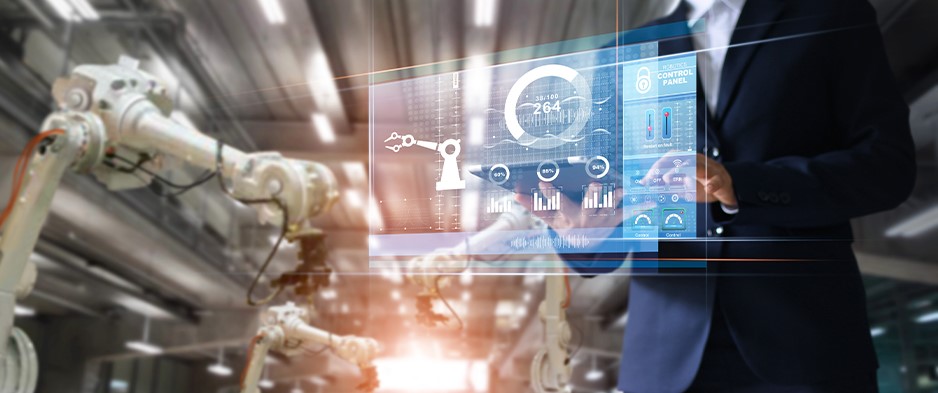
Manufacturing environments are under increasing pressure to deliver products that meet strict quality standards while minimizing waste and costs. As factories modernize, artificial intelligence (AI) is transforming the way quality control is managed on the production floor. By leveraging advanced algorithms and real-time data analysis, AI-driven systems are helping manufacturers detect defects earlier, optimize processes, and maintain consistent product quality.
Understanding how AI helps quality control is essential for any business aiming to stay competitive in today’s rapidly evolving industrial landscape. This article explores the key ways AI is reshaping quality assurance, the technologies involved, and practical steps for implementation.
For those interested in creative approaches to visual inspection and industrial imaging, exploring resources like motion blur composition examples can provide inspiration for integrating advanced imaging techniques into manufacturing processes.
AI-Powered Quality Control: Key Benefits for Manufacturers
Integrating AI into quality assurance brings a range of advantages that go beyond traditional inspection methods. Here are some of the most significant benefits:
- Increased Detection Accuracy: AI systems can identify subtle defects and inconsistencies that may be missed by human inspectors or basic automation.
- Faster Inspection Processes: Automated visual inspection powered by AI can analyze products at high speed, reducing bottlenecks and improving throughput.
- Consistent and Objective Evaluation: Unlike human inspectors, AI algorithms do not suffer from fatigue or subjective bias, ensuring uniform quality standards.
- Predictive Maintenance and Process Optimization: By analyzing production data, AI can predict equipment failures and suggest process improvements, reducing downtime and waste.
- Scalability: AI-driven systems can be easily scaled to accommodate increased production volumes or new product lines.
Core Technologies Behind AI-Driven Quality Assurance
Several technological advancements enable AI to play a pivotal role in factory quality control. These include:
- Machine Vision: Cameras and sensors capture high-resolution images of products, which are then analyzed by AI algorithms to detect defects, measure dimensions, and verify assembly accuracy.
- Deep Learning: Neural networks trained on thousands of images learn to recognize patterns, anomalies, and defects with greater precision than rule-based systems.
- Edge Computing: Processing data near the source (on the production line) allows for real-time analysis and immediate feedback, minimizing latency and enabling rapid response to quality issues.
- Data Integration: AI systems can aggregate data from multiple sources—such as sensors, production logs, and enterprise systems—to provide a holistic view of quality across the factory.
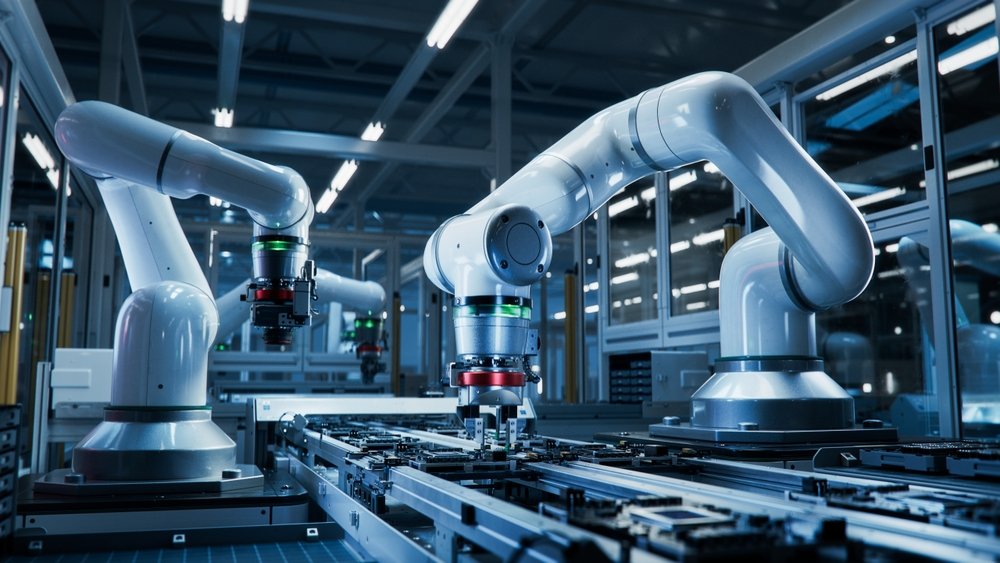
Real-World Applications: How AI Supports Quality Control on the Factory Floor
AI’s impact on quality assurance is visible across various industries, from automotive and electronics to food processing and pharmaceuticals. Here are some practical applications:
- Visual Defect Detection: AI-powered cameras scan products for surface defects, incorrect assembly, or missing components. These systems can operate 24/7, ensuring every item meets quality standards.
- Dimensional Measurement: Automated systems use AI to measure product dimensions and tolerances with high precision, reducing the risk of out-of-spec parts reaching customers.
- Process Monitoring: By analyzing sensor data, AI can detect anomalies in temperature, pressure, or vibration, alerting operators to potential quality issues before they escalate.
- Traceability and Documentation: AI can automatically log inspection results and generate reports, supporting compliance with industry regulations and customer requirements.
For a deeper dive into the future of smart manufacturing, resources like this comprehensive guide to smart factories provide valuable insights into the broader trends shaping the industry.
Implementing AI for Quality Control: Steps and Considerations
Adopting AI-based quality assurance requires careful planning and execution. Here are the key steps to ensure a successful transition:
- Assess Current Processes: Identify pain points in existing quality control workflows and determine where AI can add the most value.
- Data Collection and Preparation: Gather high-quality data (images, sensor readings, production logs) to train AI models. Data quality is critical for accurate results.
- Select the Right Technology: Choose AI solutions that align with your production needs, whether it’s machine vision, predictive analytics, or integrated quality management platforms.
- Pilot and Validate: Start with a pilot project on a single production line or process. Validate the AI system’s performance against established benchmarks.
- Scale and Integrate: Once proven, expand AI-driven quality control to other areas of the factory and integrate with existing enterprise systems for maximum benefit.
- Continuous Improvement: Regularly update AI models with new data and feedback to maintain accuracy and adapt to changing production requirements.

Challenges and Best Practices for AI in Quality Assurance
While the benefits are substantial, implementing AI for quality control is not without challenges. Common obstacles include:
- Data Quality and Quantity: AI models require large volumes of accurate, labeled data to perform reliably. Poor data can lead to false positives or missed defects.
- Integration with Legacy Systems: Connecting AI solutions to existing factory equipment and IT infrastructure can be complex and may require custom interfaces.
- Change Management: Employees may need training to work alongside AI systems and interpret their outputs effectively.
- Cost and ROI: Initial investment in AI technology can be significant, but long-term savings from reduced waste and improved quality often justify the expense.
To maximize success, manufacturers should start small, focus on high-impact use cases, and partner with experienced AI vendors. Regularly reviewing system performance and updating models ensures ongoing accuracy and relevance.
Future Trends: The Evolving Role of AI in Factory Quality
The role of AI in quality assurance is expected to grow as technologies mature and become more accessible. Key trends include:
- Self-Learning Systems: AI models that continuously learn from new data, adapting to changes in products and processes without manual intervention.
- Collaborative Robots (Cobots): Integration of AI with robotics enables collaborative inspection and handling tasks, improving efficiency and safety.
- Cloud-Based Quality Management: Centralized platforms allow manufacturers to monitor quality across multiple sites, leveraging AI analytics for global optimization.
- Greater Customization: AI systems can be tailored to specific products, materials, and customer requirements, providing a competitive edge.
As these trends continue, businesses that embrace AI-driven quality control will be well-positioned to deliver superior products and respond quickly to market demands.
FAQ: AI and Quality Control in Manufacturing
How does AI differ from traditional quality control methods?
AI-based systems use advanced algorithms and machine learning to analyze data and images, enabling them to detect defects and patterns that may be missed by manual inspection or rule-based automation. This leads to higher accuracy, faster processing, and more consistent results.
What types of defects can AI detect in manufacturing?
AI can identify a wide range of defects, including surface scratches, dents, incorrect assembly, missing components, dimensional inaccuracies, and even subtle anomalies in texture or color. The specific capabilities depend on the training data and the type of AI model used.
Is it expensive to implement AI for quality control?
While there is an initial investment in hardware, software, and integration, the long-term benefits—such as reduced waste, fewer recalls, and improved customer satisfaction—often outweigh the costs. Many manufacturers start with pilot projects to assess ROI before scaling up.
For more inspiration on integrating advanced imaging and inspection techniques in your production environment, you may also find value in the motion blur cinematic photography guide.