
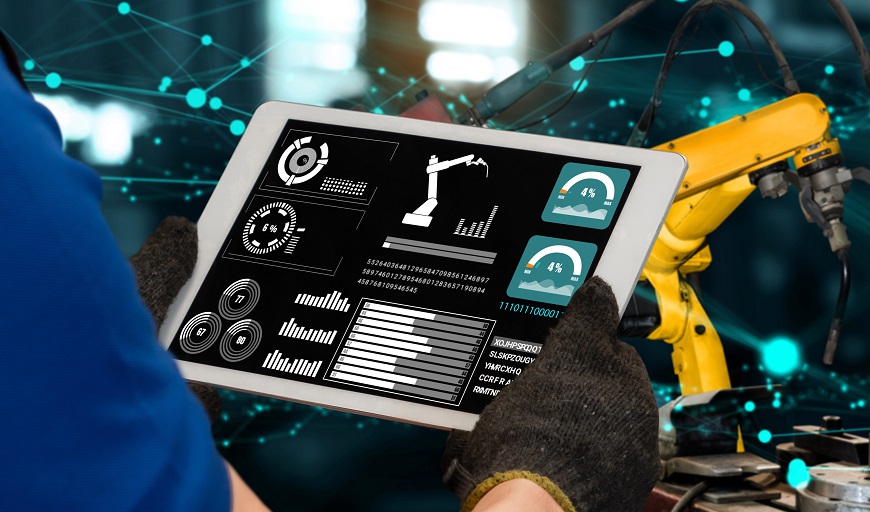
Artificial intelligence is rapidly transforming the way organizations operate, streamlining processes, reducing costs, and enabling smarter decision-making. Businesses across industries are leveraging AI-powered solutions to automate repetitive tasks, analyze vast amounts of data, and optimize workflows. Understanding how AI improves operational efficiency is essential for leaders aiming to stay competitive in today’s fast-paced environment.
From manufacturing to logistics, healthcare to retail, AI technologies are driving significant improvements in productivity and resource utilization. By integrating intelligent automation and predictive analytics, companies can identify bottlenecks, enhance quality control, and respond to changing market demands with greater agility. For those interested in creative applications of technology, exploring resources like motion blur composition examples can offer inspiration for innovation in visual workflows as well.
Key Ways Artificial Intelligence Streamlines Operations
Organizations are adopting AI-driven tools to automate a wide range of operational tasks. These technologies can handle everything from scheduling and inventory management to customer service and equipment monitoring. Some of the most impactful applications include:
- Process Automation: AI-powered robotic process automation (RPA) can execute repetitive tasks with speed and accuracy, freeing up human workers for higher-value activities.
- Predictive Maintenance: Machine learning algorithms analyze sensor data to predict equipment failures, allowing for timely maintenance and minimizing downtime.
- Supply Chain Optimization: AI models forecast demand, optimize inventory levels, and recommend efficient routing for logistics, reducing waste and transportation costs.
- Quality Control: Computer vision systems inspect products in real time, detecting defects faster and more reliably than manual checks.
By automating routine processes, companies can achieve greater consistency, reduce error rates, and scale operations more effectively. This not only increases productivity but also enhances employee satisfaction by eliminating tedious manual work.

Enhancing Decision-Making with AI Insights
One of the most valuable contributions of artificial intelligence is its ability to process and analyze large datasets quickly. By uncovering patterns and trends that might be missed by human analysts, AI helps organizations make more informed decisions. This data-driven approach leads to:
- Faster Response Times: Real-time analytics enable managers to react promptly to operational issues or market changes.
- Improved Forecasting: AI models predict demand, resource needs, and potential disruptions with greater accuracy.
- Personalized Recommendations: In customer-facing industries, AI tailors product suggestions and service offerings to individual preferences, boosting satisfaction and loyalty.
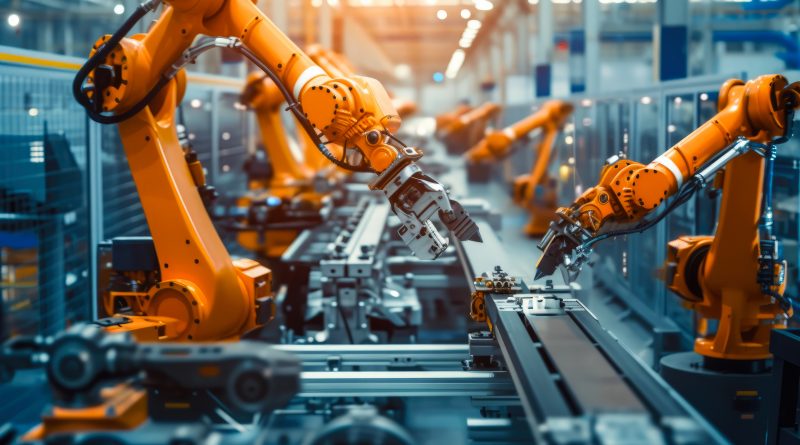
For example, in manufacturing environments, AI-powered analytics can optimize production schedules and resource allocation, ensuring that operations run smoothly even as demand fluctuates. This capability is central to the concept of the smart factory, where interconnected systems and intelligent automation drive continuous improvement.
Reducing Costs and Increasing Productivity
Implementing AI solutions often leads to significant cost savings. By reducing manual labor, minimizing errors, and optimizing resource use, organizations can operate more efficiently. Some notable benefits include:
- Lower Operational Expenses: Automation reduces the need for overtime and temporary staffing, while predictive maintenance cuts repair costs.
- Higher Output Quality: AI-driven quality control ensures products meet standards, reducing waste and rework.
- Resource Optimization: Intelligent scheduling and inventory management prevent overstocking and shortages, improving cash flow.
These improvements not only enhance the bottom line but also support sustainable growth by enabling businesses to do more with less. As AI technologies continue to evolve, the potential for increased productivity and cost efficiency will only expand.
Overcoming Challenges in AI Adoption
While the advantages of AI are clear, implementing these technologies is not without obstacles. Common challenges include:
- Data Quality: AI systems require large volumes of accurate data. Incomplete or inconsistent data can limit effectiveness.
- Integration Complexity: Connecting AI tools with existing IT infrastructure may require significant investment and technical expertise.
- Change Management: Employees may be resistant to new technologies, requiring training and clear communication about the benefits.
- Security and Privacy: Protecting sensitive data and ensuring compliance with regulations is critical when deploying AI solutions.
To address these issues, organizations should start with pilot projects, invest in workforce education, and work with trusted technology partners. Building a culture of innovation and continuous learning will help teams adapt to new ways of working.
For those interested in creative approaches to technology adoption, guides like motion blur settings for beginners can provide practical insights into integrating new tools into existing workflows.
Real-World Examples of AI-Driven Efficiency
Many companies are already seeing measurable results from AI adoption. Some examples include:
- Manufacturing: Factories use AI to monitor equipment health, automate assembly lines, and optimize energy consumption.
- Retail: AI-driven demand forecasting and personalized marketing campaigns help retailers manage inventory and increase sales.
- Healthcare: Hospitals leverage AI for patient scheduling, diagnostic imaging analysis, and resource allocation, improving patient outcomes and reducing wait times.
- Logistics: AI-powered route optimization and predictive analytics enable faster, more reliable deliveries while minimizing fuel costs.
These case studies demonstrate the versatility of AI in enhancing operational efficiency across different sectors. As technology advances, the scope of applications will continue to grow, offering new opportunities for innovation and competitive advantage.
Frequently Asked Questions
What are the first steps for a business to implement AI for operational improvements?
Start by identifying repetitive, time-consuming tasks that could benefit from automation or data analysis. Assess your current data quality and infrastructure, then pilot a small-scale AI project to demonstrate value. Engage stakeholders early and provide training to ensure smooth adoption.
How does AI differ from traditional automation in boosting efficiency?
Traditional automation follows predefined rules and processes, while AI systems can learn from data, adapt to changes, and make decisions autonomously. This allows AI to handle more complex tasks, identify patterns, and continuously improve performance over time.
Are there risks associated with relying on AI for critical operations?
While AI offers many benefits, risks include data security concerns, potential bias in algorithms, and over-reliance on automated systems. It’s important to maintain human oversight, regularly audit AI outputs, and ensure compliance with relevant regulations.