
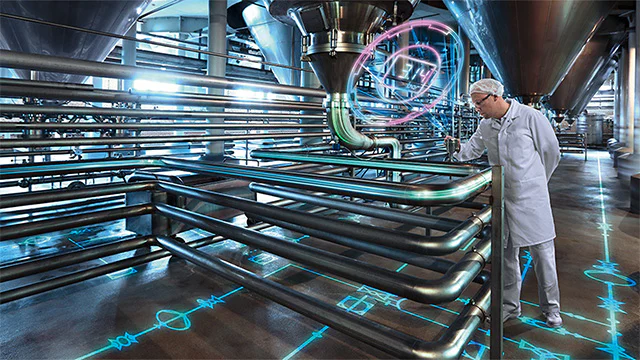
Food safety is a top priority for manufacturers, regulators, and consumers alike. As food supply chains grow more complex, the demand for robust systems that guarantee safety and compliance has never been higher. One of the most effective frameworks for managing food safety is Hazard Analysis and Critical Control Points (HACCP). However, traditional approaches to HACCP monitoring can be reactive, time-consuming, and prone to human error. This is where predictive tools are transforming the landscape, offering proactive solutions that help organizations maintain rigorous standards and avoid costly incidents.
Understanding how predictive tools ensure HACCP compliance is crucial for any food business aiming to stay ahead of regulatory requirements and consumer expectations. These technologies leverage data analytics, machine learning, and real-time monitoring to anticipate risks, streamline processes, and support continuous improvement. In this article, we’ll explore the role of predictive technologies in food safety, their benefits, and how they are reshaping compliance strategies across the industry.
For those interested in related applications, you can also learn about ways to optimize energy consumption using predictive tools in food manufacturing environments.
The Role of Predictive Analytics in Food Safety Management
Predictive analytics involves using historical and real-time data to forecast potential issues before they arise. In the context of food safety, this means identifying trends and anomalies that could indicate a risk to product quality or consumer health. By integrating predictive systems into HACCP plans, companies can move from a reactive stance—responding to problems after they occur—to a proactive approach that prevents issues altogether.
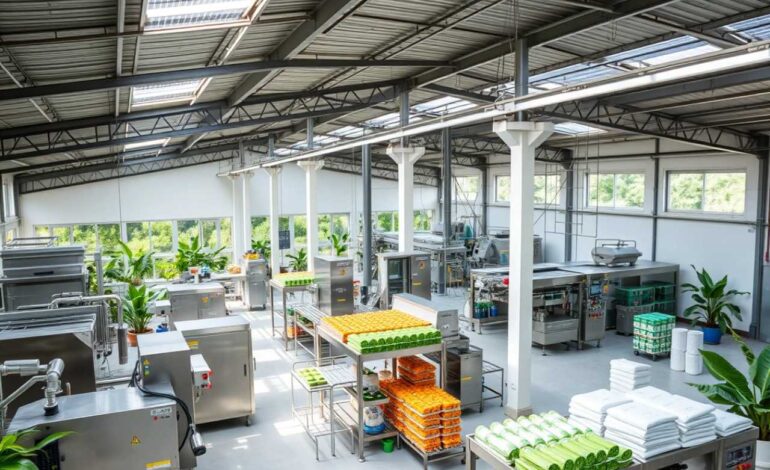
Key applications of predictive analytics in food safety management include:
- Real-time monitoring of critical control points (CCPs) such as temperature, humidity, and contamination levels.
- Early detection of equipment malfunctions or deviations from standard operating procedures.
- Forecasting potential hazards based on historical incident data and environmental conditions.
- Automated alerts and recommendations for corrective actions before a breach occurs.
By leveraging these capabilities, food manufacturers can significantly reduce the risk of contamination, recall events, and regulatory violations.
How Predictive Tools Support HACCP Compliance
Ensuring compliance with HACCP principles requires meticulous documentation, regular monitoring, and swift response to deviations. Predictive technologies streamline these processes by automating data collection and analysis, making it easier to maintain records and demonstrate compliance during audits.
Some of the ways predictive solutions enhance HACCP programs include:
- Continuous data capture: Sensors and IoT devices collect data from production lines, storage facilities, and transportation vehicles, ensuring no critical event goes unnoticed.
- Automated trend analysis: Machine learning algorithms identify patterns that could signal emerging risks, such as gradual equipment wear or shifts in environmental conditions.
- Dynamic risk assessment: Predictive models update risk profiles in real time, allowing teams to adjust control measures as needed.
- Streamlined reporting: Digital platforms generate audit-ready reports, reducing administrative burden and supporting transparency.
Integrating these tools into daily operations not only helps organizations meet regulatory requirements but also fosters a culture of continuous improvement and accountability.
Benefits of Proactive Food Safety Strategies
Adopting predictive technologies for food safety offers a range of tangible benefits:
- Reduced incidents: Early detection and intervention prevent contamination and spoilage, protecting both consumers and brand reputation.
- Cost savings: Avoiding recalls, product loss, and regulatory fines leads to significant financial advantages.
- Operational efficiency: Automation reduces manual checks and paperwork, freeing up staff for higher-value tasks.
- Improved traceability: Digital records make it easier to track products and processes across the supply chain.
- Regulatory confidence: Demonstrating proactive risk management builds trust with inspectors and customers alike.
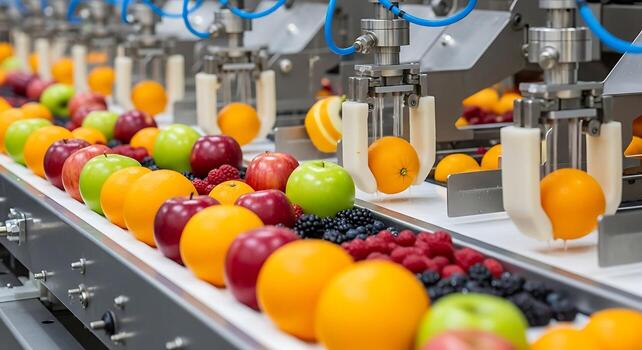
Key Technologies Behind Predictive HACCP Solutions
Several advanced technologies are driving the adoption of predictive approaches in food safety:
- Internet of Things (IoT): Connected sensors provide real-time data from every stage of production and distribution.
- Machine Learning: Algorithms learn from historical data to identify risk factors and predict future events.
- Cloud Computing: Centralized platforms enable seamless data sharing and collaboration across teams and locations.
- Automated Reporting: Digital tools compile compliance documentation, making audits more efficient and less stressful.
For a deeper look at how these technologies are applied, see this overview of AI-powered predictive maintenance in food processing, which highlights real-world examples of risk reduction and efficiency gains.
Integrating Predictive Tools Into Existing Food Safety Programs
Transitioning to a predictive approach doesn’t require a complete overhaul of current systems. Many solutions are designed to integrate with existing HACCP plans, enhancing rather than replacing established protocols. The key steps include:
- Assess current processes: Identify where manual monitoring or reporting creates bottlenecks or risks.
- Deploy sensors and data collection devices: Start with critical control points most vulnerable to failure or contamination.
- Implement analytics platforms: Choose solutions that offer customizable dashboards and automated alerts.
- Train staff: Ensure teams understand how to interpret data and respond to predictive insights.
- Review and refine: Use feedback and performance data to continuously improve the system.
Organizations that embrace these steps often find that predictive systems not only improve compliance but also drive innovation and competitiveness.
Challenges and Considerations for Adoption
While the benefits are clear, there are challenges to consider when implementing predictive technologies for food safety:
- Data quality: Accurate predictions depend on reliable, high-quality data from all relevant sources.
- Integration complexity: Connecting new tools with legacy systems can require careful planning and technical expertise.
- Change management: Staff may need support and training to adapt to new workflows and technologies.
- Cost: Initial investment can be significant, but long-term savings and risk reduction often justify the expense.
Despite these hurdles, the shift toward predictive, data-driven food safety is accelerating as more organizations recognize the value of proactive risk management.
Related Innovations in Food Processing and Safety
Predictive analytics is just one aspect of the digital transformation in food manufacturing. For example, real-time sensor monitoring is also revolutionizing how companies maintain equipment health. To explore this further, see how to monitor equipment health in real-time and its impact on operational reliability.
Other advancements, such as non-destructive testing and big data analytics, are also enhancing supply chain safety and efficiency. You can read about these topics in the guide to non-destructive testing in food processing and discover how big data affects food supply chain reliability.
FAQ
What is the main advantage of using predictive tools for food safety?
The primary benefit is the ability to anticipate and prevent food safety risks before they lead to incidents or regulatory violations. Predictive systems provide early warnings, allowing teams to take corrective action and maintain high standards of quality and compliance.
How do predictive analytics differ from traditional HACCP monitoring?
Traditional HACCP monitoring relies on scheduled checks and manual record-keeping, which can miss subtle trends or emerging risks. Predictive analytics uses continuous data streams and advanced algorithms to identify potential hazards in real time, enabling a more proactive and effective approach.
Are predictive food safety solutions suitable for small manufacturers?
Yes, many predictive tools are scalable and can be tailored to the needs of small and medium-sized businesses. Cloud-based platforms and affordable sensor technology have made it easier for organizations of all sizes to adopt proactive food safety strategies.